
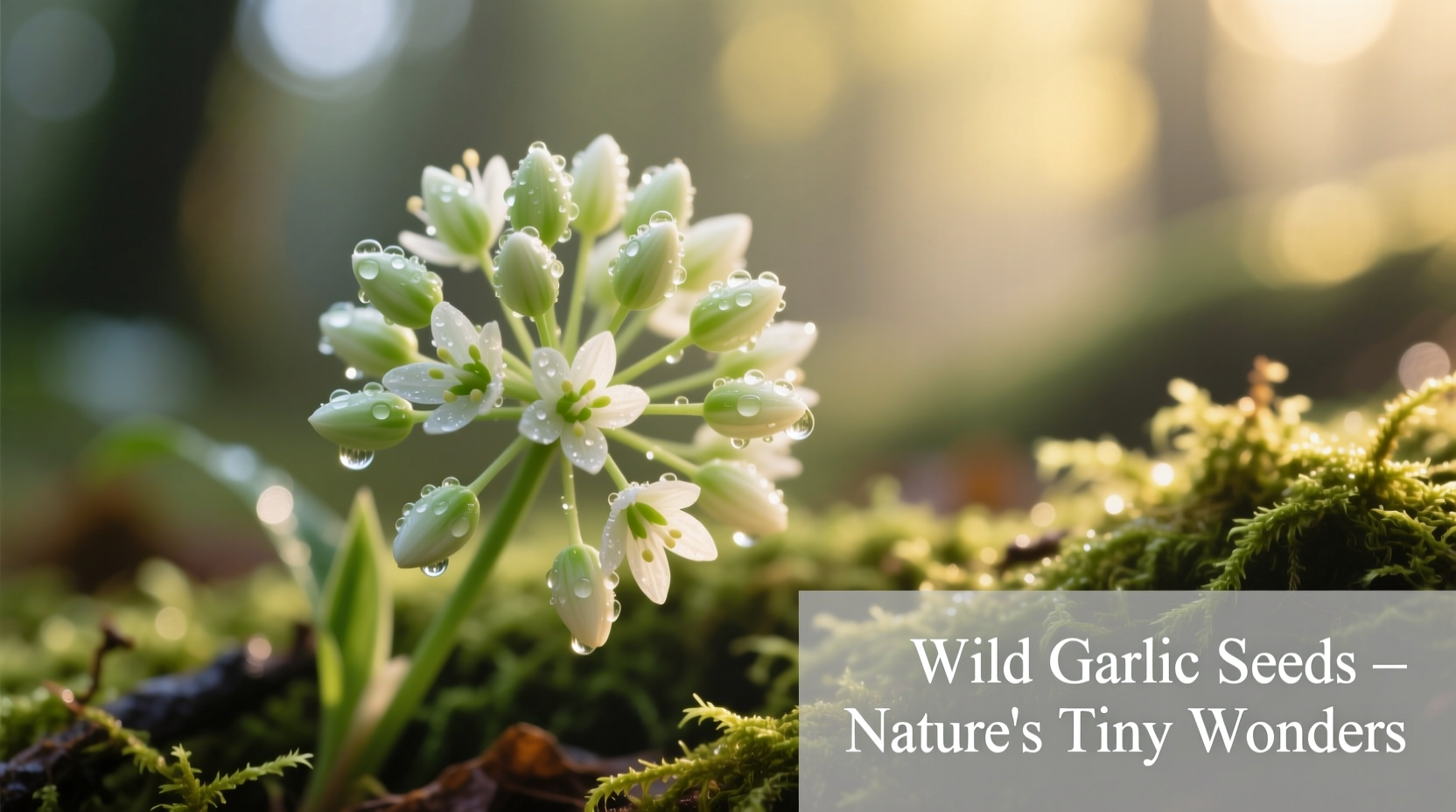
Wild garlic (Allium ursinum) does produce small black seeds in late spring to early summer, but they're rarely used for propagation due to low germination rates (typically under 30%). The plant primarily spreads through underground bulbs and rhizomes. Seeds take 18-24 months to develop into mature plants, making bulb division the preferred cultivation method for gardeners and foragers.
Discover everything you need to know about wild garlic seeds—from identification and harvesting to practical uses and why they're not the best propagation method. This guide provides field-tested information for foragers, gardeners, and culinary enthusiasts seeking reliable knowledge about this seasonal treasure.
Why Wild Garlic Seeds Are Different Than You Might Expect
Unlike cultivated garlic varieties that reliably produce bulbils and seeds, wild garlic's reproductive strategy focuses on vegetative propagation. The Royal Horticultural Society confirms that Allium ursinum "spreads primarily by underground bulbs and rhizomes, with seed production being secondary and less reliable" (RHS, 2023).
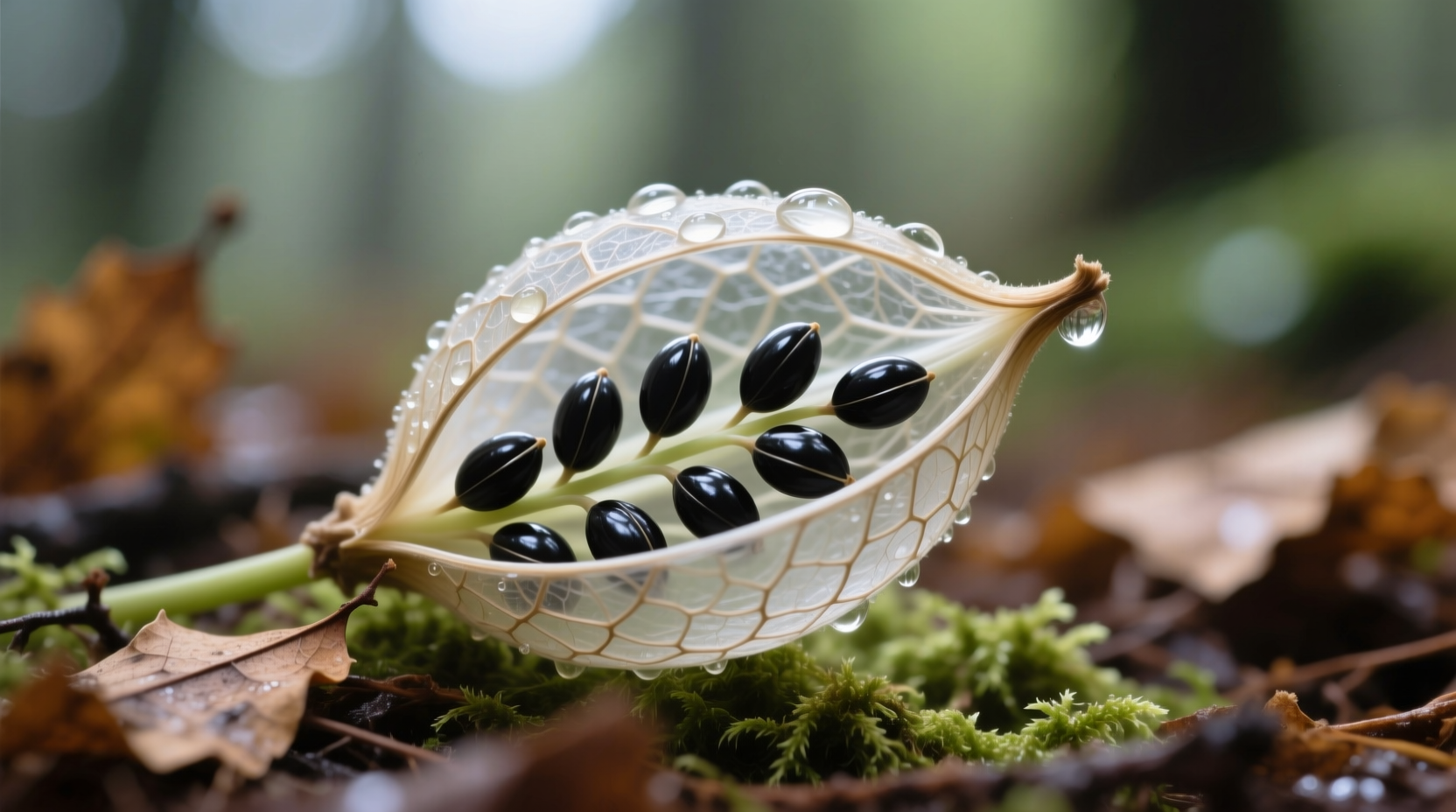
When wild garlic does produce seeds, they develop in distinctive three-chambered capsules after the characteristic white flower clusters fade. These seeds start green, then mature to a glossy black in June and July, depending on your climate zone.
Identifying Wild Garlic Seeds: Safety First
Correct identification is crucial, as wild garlic grows alongside potentially deadly look-alikes. The most dangerous confusion species is lily of the valley (Convallaria majalis), which produces similar-looking red berries but is highly toxic.
| Feature | Wild Garlic Seeds | Lily of the Valley Berries |
|---|---|---|
| Color when mature | Glossy black | Bright red |
| Arrangement | Three-chambered capsules | Single berries on stem |
| Smell test | Distinct garlic aroma when crushed | No garlic scent |
| Leaf arrangement | Single, broad leaves from base | Two leaves per stem |
Always perform the smell test—crush a small portion of leaf or stem to verify the unmistakable garlic scent before handling any part of the plant. The University of Oxford's Botanic Garden emphasizes that "the garlic odor is the most reliable field identification characteristic" for distinguishing wild garlic from toxic look-alikes (Oxford Botanic Garden, 2022).
Wild Garlic Seed Development Timeline
Understanding the plant's reproductive cycle helps foragers time their visits correctly:
- April: Wild garlic blooms with white star-shaped flowers
- May: Flowers fade, seed capsules begin forming
- June: Capsules mature from green to black
- July: Seeds reach full maturity and begin dispersing
- August: Seed dispersal complete, plant focuses on bulb development
This precise timing matters because harvesting seeds too early yields non-viable specimens, while waiting too long means missing the narrow collection window. The UK National Biodiversity Network notes that "seed viability decreases significantly just 2-3 weeks after full maturity" (NBN Atlas, 2024).
Harvesting Wild Garlic Seeds Responsibly
If you decide to collect wild garlic seeds, follow these ethical guidelines:
- Never take more than 10% of available seeds from any single patch
- Only harvest from abundant populations (minimum 50+ plants)
- Use scissors rather than pulling entire plants
- Check local regulations—some protected areas prohibit seed collection
- Always leave plenty for natural regeneration and wildlife
In many European countries, including the UK and Germany, wild garlic is protected under foraging regulations. The Wildlife and Countryside Act 1981 (UK) prohibits uprooting plants without landowner permission, though seed collection typically falls under different regulations. Always verify local laws before harvesting.
Practical Uses for Wild Garlic Seeds
While not as popular as leaves or bulbs, wild garlic seeds have several applications:
Culinary Applications
Young green seeds (harvested in May) can be pickled like capers, developing a tangy garlic flavor. Mature black seeds have a more intense, slightly bitter taste best used sparingly as a seasoning. Traditional European recipes sometimes incorporate crushed seeds into wild garlic pesto for added complexity.
Gardening Considerations
If attempting to grow wild garlic from seed, understand these limitations:
- Germination rates average 20-30% even under ideal conditions
- Requires cold stratification (2-3 months at 4°C)
- Takes 18-24 months to produce harvestable leaves
- Plants grown from seed take 3-4 years to flower
For reliable results, most horticulturists recommend dividing established bulbs in autumn instead of using seeds. The Royal Horticultural Society reports that "bulb division yields mature plants in 12-18 months, compared to 3+ years from seed" (RHS Propagation Guide).
Why Seeds Aren't the Primary Propagation Method
Wild garlic's preference for vegetative reproduction isn't arbitrary—it's an evolutionary adaptation. In woodland environments where it typically grows, seed germination faces multiple challenges:
- Thick leaf litter prevents seed-to-soil contact
- Shade from canopy trees limits light for seedlings
- Competing vegetation quickly overtakes slow-growing seedlings
- Seed predators (like rodents) consume much of the annual crop
This explains why established wild garlic patches expand primarily through underground runners rather than new seedlings. For gardeners seeking to establish wild garlic, purchasing established bulbs or dividing existing plants yields dramatically better results than sowing seeds.
Wild Garlic Beyond the Seeds: Maximizing Your Foraging Experience
While seeds have limited utility, wild garlic offers multiple harvestable components throughout its growing season:
- February-April: Young shoots and emerging leaves (most tender)
- April-May: Flower buds and open flowers (mild garlic flavor)
- May-June: Seeds in various stages of maturity
- Summer: Bulbs (though less flavorful than spring harvest)
Understanding this full seasonal cycle helps foragers make the most of wild garlic's bounty without relying on the less productive seed harvest.




 浙公网安备
33010002000092号
浙公网安备
33010002000092号 浙B2-20120091-4