
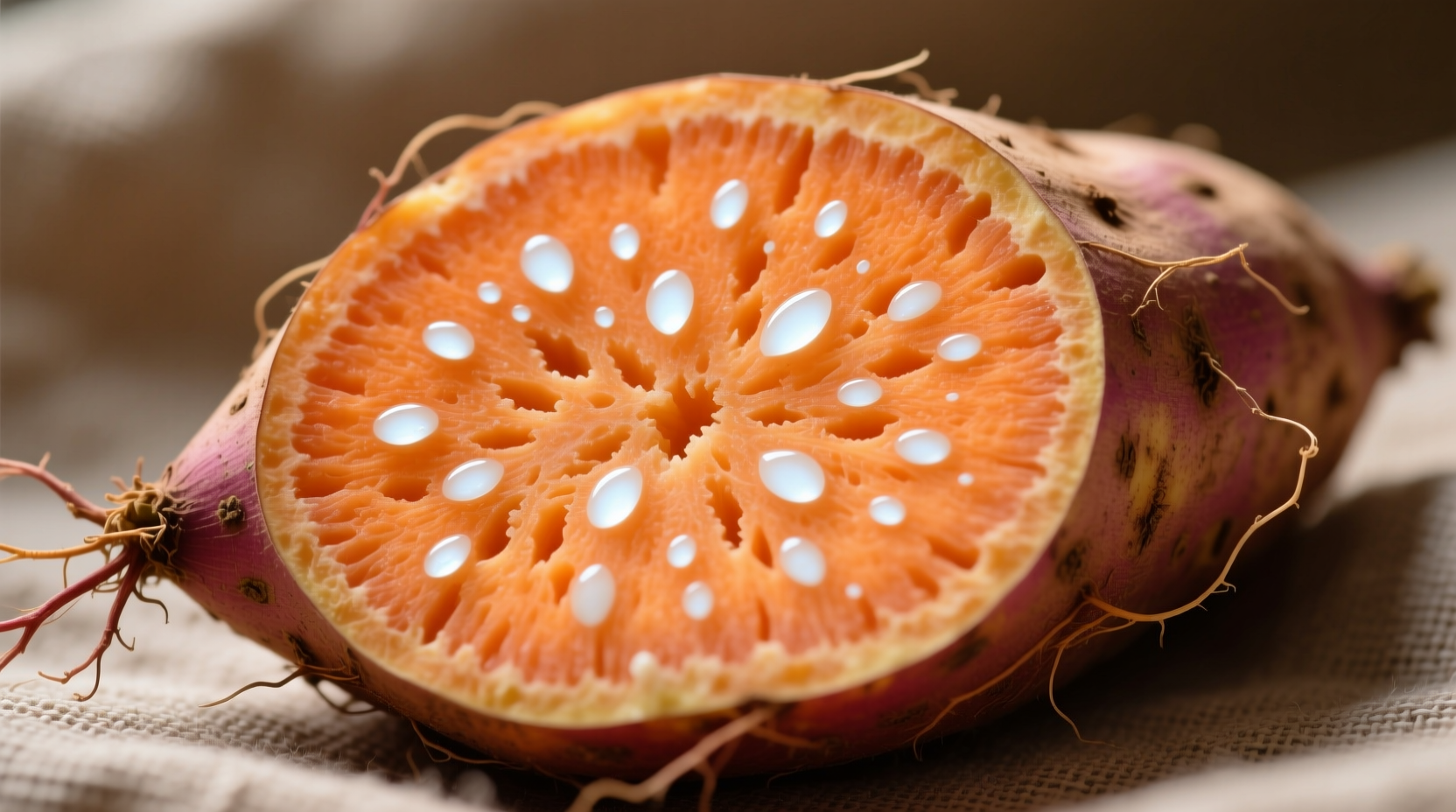
White spots inside sweet potatoes are usually harmless starch crystals called 'weeping' or 'sugaring off' and are perfectly safe to eat. These natural formations occur when stored sweet potatoes experience temperature fluctuations, causing starches to convert to sugars that sometimes crystallize.
Understanding Those Mysterious White Spots in Your Sweet Potato
Have you ever sliced into a sweet potato only to discover unexpected white spots or streaks? This common occurrence triggers immediate food safety concerns for many home cooks. The good news is that in most cases, these white formations aren't spoilage but rather a natural physiological process in sweet potatoes.What Causes White Spots in Sweet Potatoes?
Those white spots you're seeing are typically starch crystals formed through a process called weeping or sugaring off. According to agricultural research from the USDA Agricultural Research Service, sweet potatoes naturally contain high levels of starch that can convert to sugars during storage. When temperature fluctuations occur, these sugars sometimes crystallize, creating the white spots you observe. This phenomenon is completely natural and doesn't indicate spoilage. In fact, it often happens in sweet potatoes that have been stored properly but experienced minor temperature changes during transport or home storage.Normal Spots vs. Actual Spoilage: How to Tell the Difference
| Normal Starch Spots | Signs of Spoilage |
|---|---|
| Crystalline, glassy appearance | Soft, mushy texture throughout |
| Firm surrounding flesh | Dark discoloration beyond white spots |
| No unpleasant odor | Sour or fermented smell |
| Spots remain localized | Visible mold growth (fuzzy patches) |
| Sweet potato maintains shape | Excessive moisture or liquid seepage |
Sweet Potato Storage Timeline: Preventing Quality Issues
Proper storage dramatically affects whether your sweet potatoes develop those harmless white spots or actual spoilage. The University of California Cooperative Extension recommends this storage timeline:- 0-7 days after purchase: Ideal storage conditions (55-60°F, 75-80% humidity) prevent most quality issues
- 1-3 weeks: Temperature fluctuations may cause starch conversion and occasional white spots
- 3-4 weeks: Increased risk of sprouting if stored too warm
- 4+ weeks: Higher likelihood of spoilage if not stored properly
Are Sweet Potatoes with White Spots Safe to Eat?
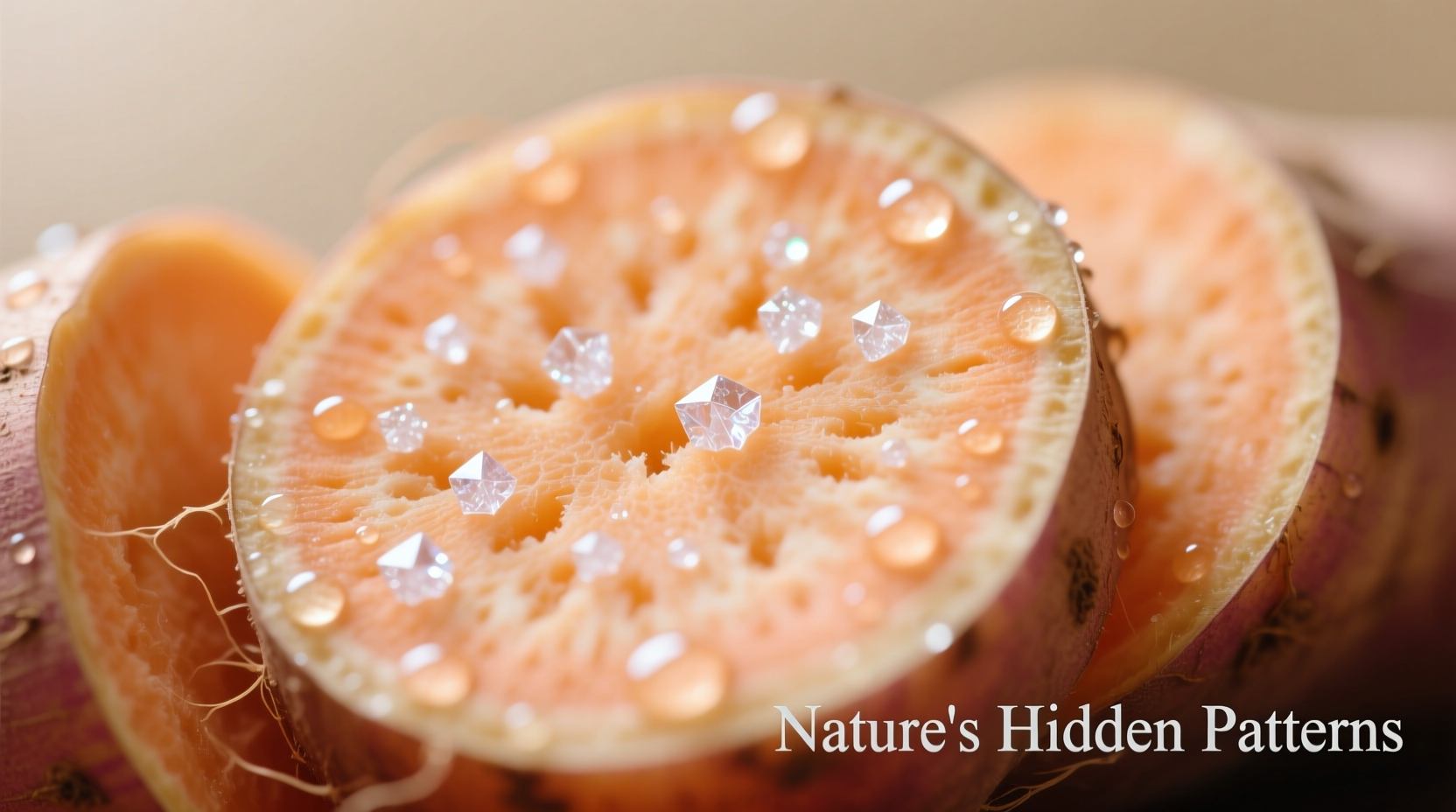
Yes, sweet potatoes with white starch spots are completely safe to consume. The Food and Drug Administration confirms that these crystallized sugar formations pose no health risks. You don't need to cut away the spots—they'll dissolve during cooking and won't affect flavor or texture. However, if you notice additional warning signs like soft spots, dark discoloration, or mold growth beyond the white crystalline areas, it's time to discard the sweet potato. The National Center for Home Food Preservation provides clear guidelines: when in doubt about produce safety, "when you see one sign of spoilage, assume others may be present even if not visible."Maximizing Sweet Potato Freshness: Practical Storage Tips
Follow these evidence-based storage methods to minimize quality issues in your sweet potatoes:- Avoid refrigeration: Cold temperatures below 50°F trigger starch-to-sugar conversion that causes those white spots
- Store in a cool, dark place: A pantry or cupboard maintains ideal temperature range (55-60°F)
- Ensure proper ventilation: Use mesh bags or baskets instead of plastic bags that trap moisture
- Keep away from onions: Onions release gases that accelerate sweet potato sprouting
- Check regularly: Inspect stored sweet potatoes weekly for any developing issues
Nutritional Impact of White Spots
Those white spots don't affect the impressive nutritional profile of sweet potatoes. According to USDA FoodData Central, sweet potatoes remain an excellent source of beta-carotene, vitamin C, and fiber regardless of minor starch crystallization. The conversion process actually increases natural sugar content slightly, enhancing sweetness without compromising nutritional value.When White Spots Indicate a Problem
While most white spots are harmless, certain combinations warrant caution. If white spots appear alongside:- Dark brown or black discoloration
- Soft, mushy texture beyond the spot areas
- Unpleasant fermented odor
- Visible mold growth




 浙公网安备
33010002000092号
浙公网安备
33010002000092号 浙B2-20120091-4