
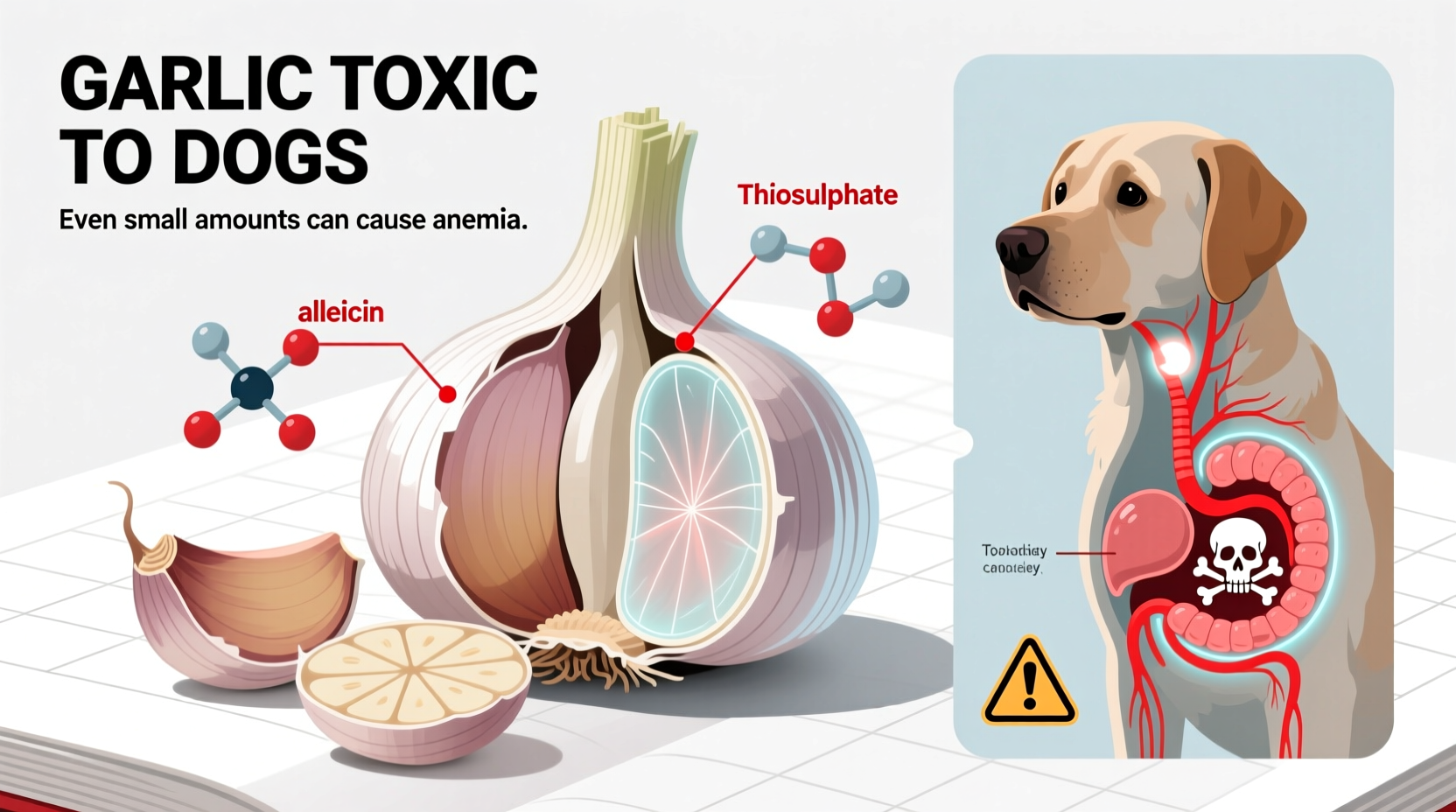
Garlic is toxic to dogs in all forms—raw, cooked, powdered, or in supplements. Even small amounts can cause life-threatening hemolytic anemia by damaging red blood cells. Immediate veterinary care is critical if ingestion occurs.
Why Garlic Poses a Serious Threat to Dogs
Unlike humans, dogs lack the enzyme to metabolize N-propyl disulfide, a compound in garlic and other Allium plants. This triggers oxidative damage to red blood cells, leading to hemolytic anemia. The American Kennel Club’s veterinary advisors confirm no safe consumption threshold exists for dogs—toxicity depends on the dog’s size, health, and garlic concentration.
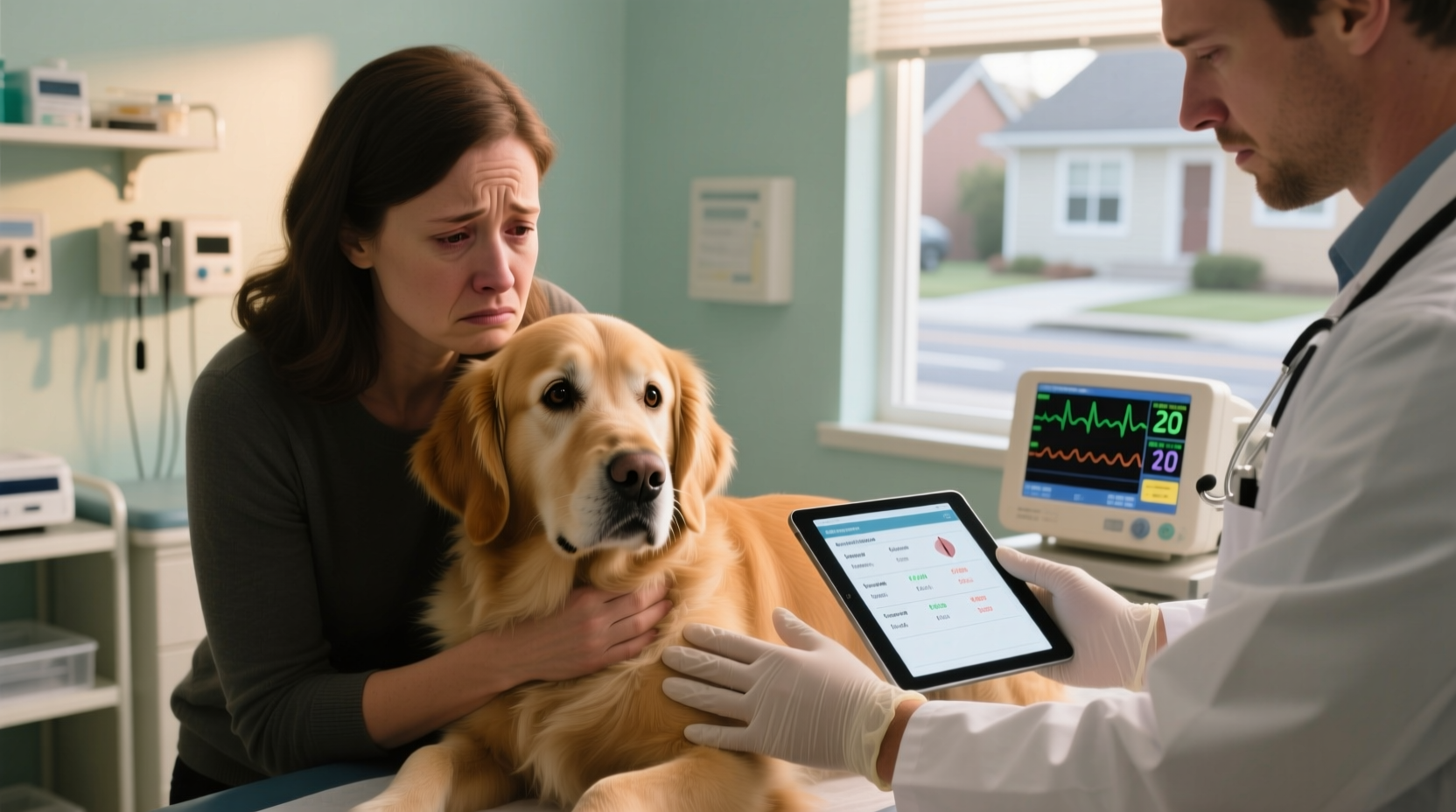
What to Do Immediately If Your Dog Eats Garlic
Time is critical. Follow these vet-recommended steps:
- Record details: Note ingestion time, garlic form (e.g., cloves, powder), and estimated amount.
- Contact professionals: Call your vet or ASPCA Animal Poison Control (888-426-4435) immediately. Do not induce vomiting without guidance.
- Preserve evidence: Save packaging or remnants for toxin analysis.
Never rely on home remedies. Delaying treatment risks organ damage or death.
Recognizing Garlic Poisoning Symptoms
Symptoms often appear 24–96 hours after ingestion as red blood cells rupture. Early detection saves lives:
| Early Symptoms (24-48 hrs) | Severe Symptoms (48-96+ hrs) |
|---|---|
| Vomiting or diarrhea | Pale or yellow gums |
| Lethargy or weakness | Rapid breathing/heart rate |
| Loss of appetite | Dark urine (hemoglobinuria) |
According to Cornell University’s College of Veterinary Medicine, hemolytic anemia from Allium toxicity requires blood tests for confirmation. Never wait for symptoms to escalate.
Understanding Toxic Doses: Garlic vs. Onion Risks
Garlic is five times more toxic than onions due to higher disulfide concentration. The Merck Veterinary Manual states:
- Minimum toxic dose: 15–30 grams of garlic per kilogram of body weight
- Example: A 20-lb (9 kg) dog could be poisoned by one average garlic bulb (50g)
Garlic powder concentrates risk—ASPCA Poison Control data shows powdered garlic is 2–3x more potent than fresh cloves. No amount is safe in dog treats or homemade meals.
Preventing Accidental Exposure
Most garlic poisonings occur from “human food” sharing. Protect your dog with these steps:
- Store garlic, onions, and leeks in sealed cabinets—not on counters
- Avoid feeding table scraps containing garlic (e.g., sauces, dressings, bread)
- Check commercial dog food labels for hidden garlic derivatives like “Allium sativum extract”
Note: “Natural” pet supplements sometimes include garlic. The FDA warns these pose significant risks with no proven benefits.
Veterinary Treatment and Recovery Outlook
Treatment focuses on stabilizing red blood cell counts. Vets typically:
- Administer activated charcoal to absorb toxins (if ingestion was recent)
- Provide IV fluids and oxygen therapy
- Transfuse blood in severe anemia cases
Recovery takes 3–7 days with prompt care. Untreated cases have 30% mortality rates per Journal of the American Veterinary Medical Association studies.
Debunking Common Myths
Myth: “Small garlic amounts boost immunity.”
Fact: Zero scientific evidence supports this. The American Holistic Veterinary Medical Association explicitly warns against garlic supplementation.
Myth: “Cooking neutralizes garlic toxins.”
Fact: Heat doesn’t destroy disulfides. Cooked garlic remains equally dangerous.




 浙公网安备
33010002000092号
浙公网安备
33010002000092号 浙B2-20120091-4