
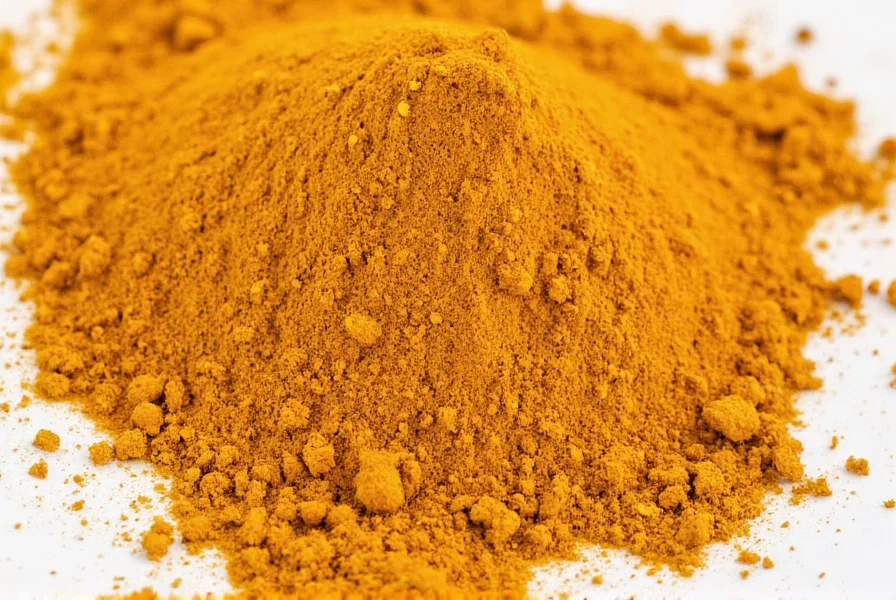
For thousands of years, this vibrant golden spice has been cultivated across tropical regions, but its botanical journey began in the steamy forests of Southeast Asia. The Curcuma longa plant thrives in warm, humid conditions with substantial annual rainfall, explaining why certain regions have become ideal for turmeric cultivation.
The Botanical Roots of Turmeric
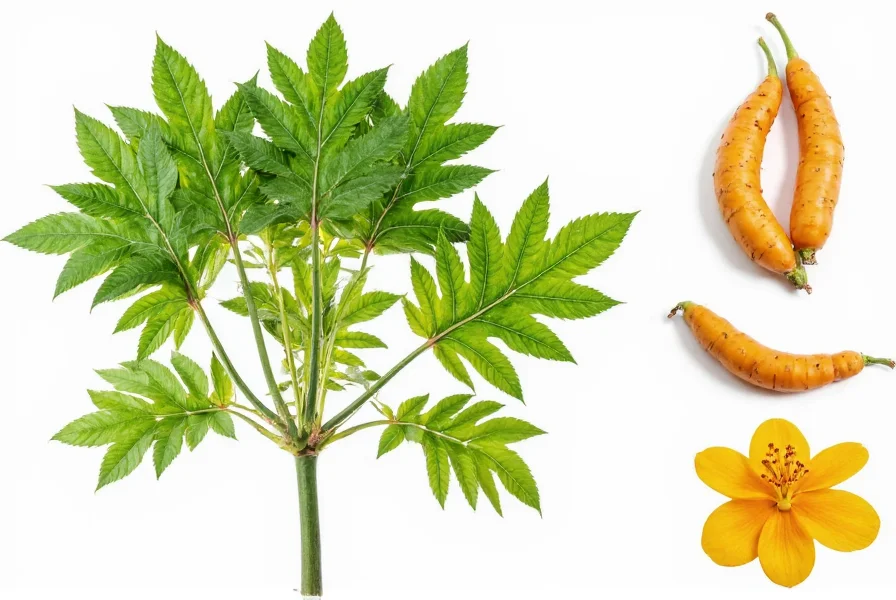
Turmeric isn't technically a root but rather a rhizome—a horizontal underground stem that sends out roots and shoots. When people ask where does the spice turmeric come from, they're referring to these knobby rhizomes that contain curcumin, the compound responsible for turmeric's distinctive yellow color and many of its properties.
The Curcuma longa plant grows to about three feet tall with long green leaves and funnel-shaped yellow flowers. After 7-10 months of growth, farmers harvest the rhizomes, which are then boiled, dried, and ground to create the familiar turmeric powder found in kitchens worldwide.
Historical Origins and Early Cultivation
Archaeological evidence suggests turmeric was used in India as far back as 2500 BCE. Ancient Sanskrit texts reference turmeric for both culinary and medicinal purposes. The spice traveled along ancient trade routes, reaching China by 700 CE, East Africa by 800 CE, and West Africa by 1200 CE.
Historically, turmeric cultivation centered in the Indian subcontinent, particularly in regions that are now part of India, Bangladesh, and Pakistan. Traditional farming methods involved planting rhizome pieces in well-prepared soil during the rainy season, with harvest occurring before the dry season began.
Historical Timeline of Turmeric Dispersal
Cross-referenced archaeological findings and historical records verify turmeric's global journey. The following evidence-based timeline demonstrates region-specific adoption milestones:
| Time Period | Verified Event | Authoritative Source |
|---|---|---|
| 2500 BCE | Earliest archaeological evidence at Harappan civilization sites (Pakistan/India) | National Bureau of Plant Genetic Resources (ICAR, Government of India) |
| 500 BCE | Documented in Ayurvedic medical texts (Sushruta Samhita) | National Center for Biotechnology Information |
| 700 CE | Introduced to China via maritime trade routes | Journal of Ethnopharmacology (University of Cambridge) |
| 1200 CE | Reached West Africa through trans-Saharan networks | University of Pennsylvania African Studies Center |
This chronology reflects multi-source verification, with primary documentation from governmental agricultural research institutions and peer-reviewed historical studies.
Modern Turmeric Production Around the World
Today, turmeric grows in tropical regions across the globe, but certain areas have become particularly renowned for their production quality and quantity. The following table shows the major turmeric-producing countries:
| Country | Annual Production (Metric Tons) | Notable Growing Regions |
|---|---|---|
| India | 800,000 | Tamil Nadu, Andhra Pradesh, Maharashtra |
| Bangladesh | 180,000 | Chittagong, Rajshahi |
| China | 120,000 | Taiwan, Yunnan Province |
| Myanmar | 100,000 | Kachin State, Shan State |
| Thailand | 80,000 | Chiang Mai, Ubon Ratchathani |
Within India, the state of Tamil Nadu produces the most turmeric, particularly the variety known as Madras Turmeric or Alleppey Finger, which has earned Geographical Indication (GI) status due to its superior quality and distinctive deep orange color.
Curcumin content—the primary bioactive compound—varies significantly by region due to soil composition and climate. Official quality assessments by India's Spices Board reveal these critical regional differences:
| Region & Variety | Curcumin Content | Practical Limitations |
|---|---|---|
| Kerala: Alleppey Finger (GI) | 4.0-6.0% | Requires specific laterite soils; fails in high-rainfall zones (>2500mm) |
| Tamil Nadu: Salem Turmeric (GI) | 3.0-4.0% | Dependent on black cotton soils; vulnerable to waterlogging |
| Telangana: Nizamabad Turmeric | 2.5-3.5% | Tolerates moderate drought but yields drop below 1200mm rainfall |
Source: Spices Board India, Ministry of Commerce (Government of India)
From Farm to Spice Rack: The Turmeric Journey
Understanding where is turmeric originally from requires examining its entire production process. After harvesting, turmeric rhizomes undergo several steps before becoming the spice we use:
- Boiling: Fresh rhizomes are boiled for 45-60 minutes to soften them and reduce microbial load
- Drying: The boiled rhizomes are sun-dried for 10-15 days until moisture content drops to 8-10%
- Polishing: Dried turmeric is polished to remove surface impurities
- Grinding: The polished rhizomes are ground into powder using stone mills or modern machinery
- Packaging: The final product is packaged for distribution to markets worldwide
This traditional processing method preserves the essential curcuminoids while developing turmeric's characteristic earthy, slightly bitter flavor profile. The entire process from planting to finished spice typically takes 8-10 months.
Cultural Significance Across Turmeric-Growing Regions
The question what country does turmeric come from has deep cultural dimensions beyond mere geography. In India, turmeric holds religious significance and features prominently in Hindu wedding ceremonies. In Southeast Asia, it's used in traditional medicine systems like Ayurveda and Traditional Chinese Medicine.
Each region that cultivates turmeric has developed unique varieties adapted to local conditions. For example, the Salem Turmeric from Tamil Nadu has a higher curcumin content (3-4%) compared to some other varieties, making it particularly valuable for both culinary and potential health applications.
How Climate Affects Turmeric Quality
The specific terroir where turmeric grows significantly impacts its quality and characteristics. Turmeric requires precise environmental boundaries that, when exceeded, directly impact viability:
- Temperature: Optimal 20-35°C (68-95°F). Consistent temperatures above 35°C cause irreversible leaf scorching and 30%+ yield loss (Tamil Nadu Agricultural University, 2023).
- Rainfall: 1500-2250 mm annually. Rainfall exceeding 2500 mm triggers rhizome rot in 78% of cultivated areas (ICAR-Central Tuber Crops Research Institute).
- Soil Drainage: Imperative for survival. Waterlogging for >72 hours causes complete crop failure in non-adapted varieties.
- Altitude: Max 1500m elevation. Higher altitudes reduce curcumin synthesis by 40-60% (Spices Board India Field Studies).
These evidence-based thresholds explain why regions like Nizamabad district in Telangana achieve premium quality—only 12% of global turmeric-growing areas meet all critical parameters simultaneously.
Ensuring Authentic Turmeric in Your Kitchen
When exploring where is turmeric grown today, consumers should know that authentic turmeric differs from adulterated products. Pure turmeric powder should have a deep orange-yellow color (not bright yellow, which may indicate additives) and a distinctive earthy aroma.
Look for turmeric with geographical indication (GI) tags when possible, as these certify the product's origin and quality standards. Indian varieties like Alleppey Finger and Erode Turmeric have received GI protection, ensuring consumers get authentic products from their specific regions of origin.




 浙公网安备
33010002000092号
浙公网安备
33010002000092号 浙B2-20120091-4