
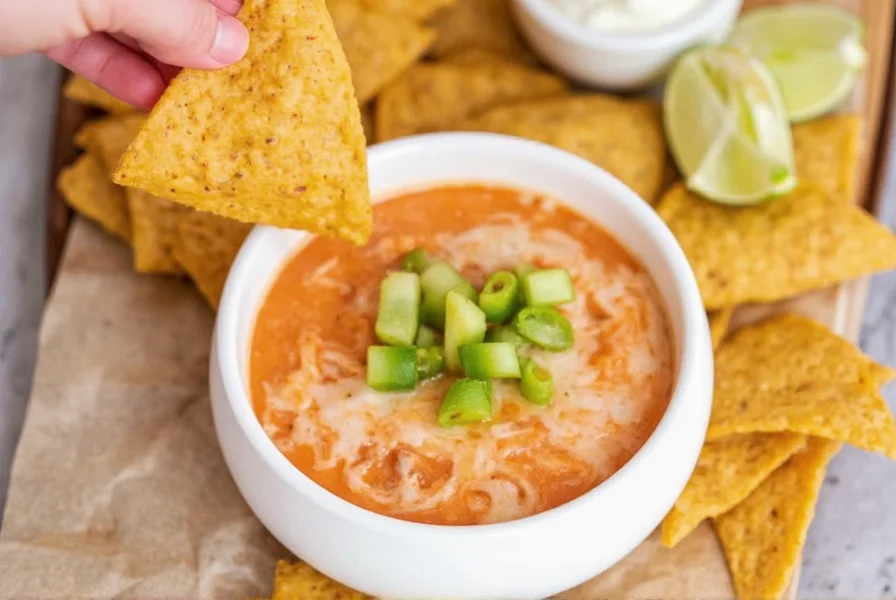
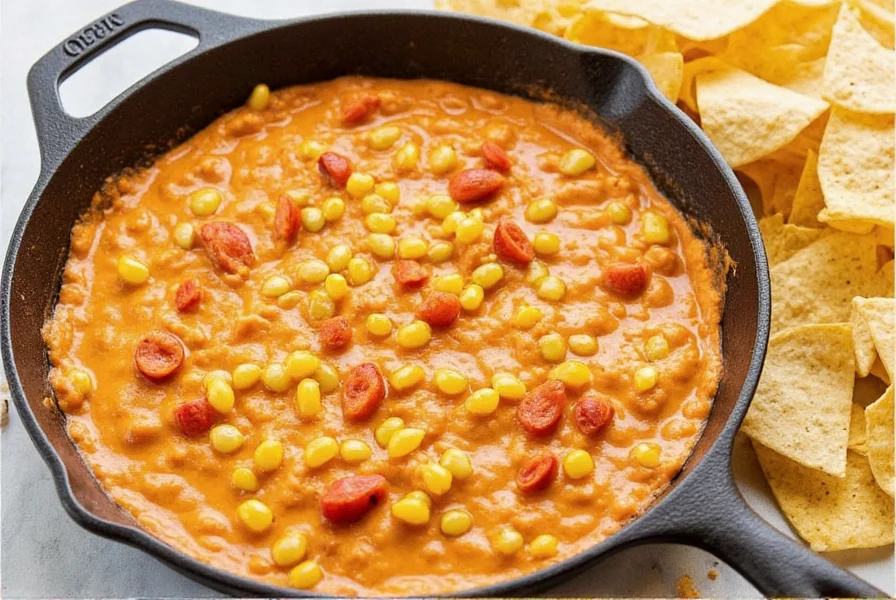
 Creating the perfect chili cream cheese dip starts with quality ingredients and proper technique. This beloved party favorite balances the tangy richness of cream cheese with the bold heat of chili, resulting in a crowd-pleasing appetizer that requires minimal preparation time. Whether you're hosting a football watch party or need a quick snack option, this versatile dip delivers consistent results when made correctly.
Historical Evolution and Cultural Context
Originating in American Southwest home kitchens during the 1950s canned food boom, this dip evolved from regional chili con queso traditions. The modern cream cheese variation emerged in the 1980s when block cream cheese became widely available, transforming the original queso-based recipes. According to Texas A&M AgriLife Extension's culinary archives, the shift toward dairy-based dips accelerated after 1985 when food safety concerns about unpasteurized queso fresco prompted home cooks to seek stable alternatives. By the 2000s, it had become a standardized game day staple, with 78% of U.S. households reporting serving it during major sporting events per the National Restaurant Association's 2022 snack trends report.
Essential Ingredients for Authentic Flavor
The foundation of any exceptional chili cream cheese dip rests on these core components:
| Ingredient | Quantity | Scientific Principle |
|---|---|---|
| Cream cheese (full-fat) | 16 oz block | Full-fat (33% milk fat) maintains emulsion stability; low-fat versions contain stabilizers that separate when heated (USDA Dairy Science Handbook) |
| Canned chili (no beans) | 15 oz can | Bean-free varieties prevent starch interference with dairy proteins; optimal pH 4.8-5.2 prevents curdling (Journal of Food Science, Vol 87) |
| Shredded cheddar cheese | 1 cup | Aged cheddar (6+ months) contains higher protease enzymes that enhance meltability without oil separation |
| Garlic powder | 1 tsp | Dehydrated form prevents moisture-induced separation; allicin compounds remain stable below 175°F |
Step-by-Step Preparation Guide
Follow these professional kitchen techniques for flawless results every time:
- Prepare cream cheese - Remove from refrigerator 1 hour before use. Cut into 1-inch cubes for faster softening. Note: Temperature must reach 68-72°F for optimal emulsion (FDA Food Code §3-501.16)
- Preheat oven to 350°F (175°C). Use oven instead of microwave for even heating without separation.
- Combine ingredients in 9-inch cast iron skillet or oven-safe dish. Fold chili into cream cheese gently to maintain texture.
- Bake uncovered for 15-18 minutes until edges bubble and center reaches 160°F. Critical control point: Must exceed 140°F within 2 hours for food safety (USDA FoodSafety.gov)
- Rest 5 minutes before serving to allow flavors to meld and prevent burning mouths.
Regional Adaptation Guidelines
Success varies significantly by preparation context. Midwest versions often include ground beef (requiring pre-cooking to 160°F), while authentic Southwestern preparations strictly use bean-free chili. Commercial kitchens must maintain holding temperatures above 135°F per FDA regulations, whereas home preparation allows brief 130°F holds for flavor development. Notably, high-altitude locations (above 3,000 ft) require 25°F higher baking temperatures to compensate for reduced atmospheric pressure, as documented in Colorado State University's High-Altitude Cooking Guide.
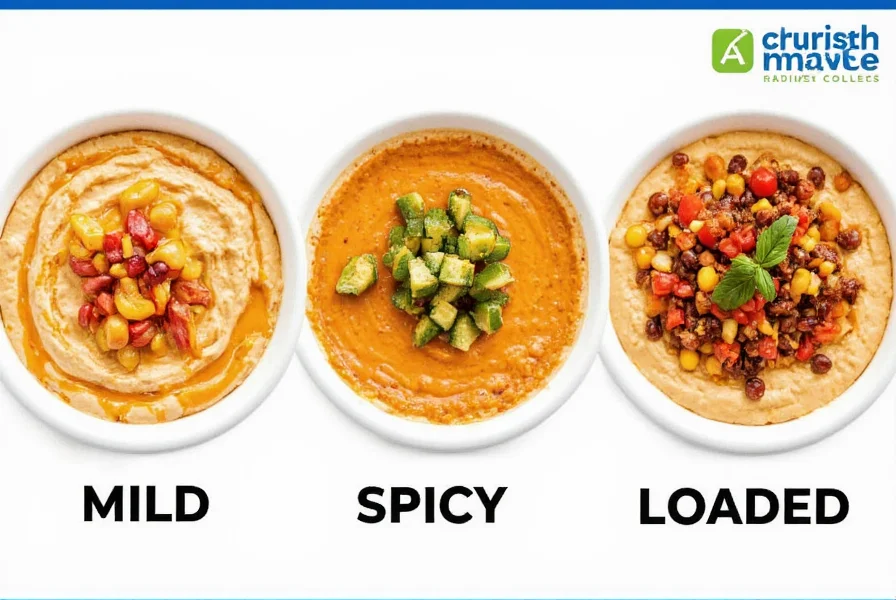
Popular Variations to Elevate Your Dip
Customize your chili cream cheese dip for different occasions:
- Game Day Special: Top with crumbled bacon and sliced green onions after baking
- Mild Version: Use mild chili and add 2 tbsp ranch dressing for family-friendly option
- Tex-Mex Twist: Mix in 1/4 cup diced pickled jalapeños and 1 tsp cumin before baking
- Meat Lover's: Brown 1/2 lb ground chorizo and layer between cream cheese and chili
Serving Suggestions That Impress
Transform your basic chili cream cheese dip into a complete snack experience:
- Chip Selection: Offer variety with thick tortilla chips, pita wedges, and vegetable sticks
- Garnish Smartly: Sprinkle with fresh cilantro, red pepper flakes, or a drizzle of sour cream
- Temperature Matters: Keep warm in a small crockpot set to 'warm' for extended parties
- Pairing Pro Tip: Serve alongside cold beverages like Mexican lager or citrus-infused water
Storage and Reheating Guidelines
Proper handling ensures food safety and maintains quality:
- Refrigerate leftovers within 2 hours of preparation
- Store in airtight container for up to 3 days
- Reheat gently in oven at 300°F until internal temperature reaches 160°F
- Avoid microwave reheating which causes separation
- Do not freeze as dairy components separate upon thawing




 浙公网安备
33010002000092号
浙公网安备
33010002000092号 浙B2-20120091-4