
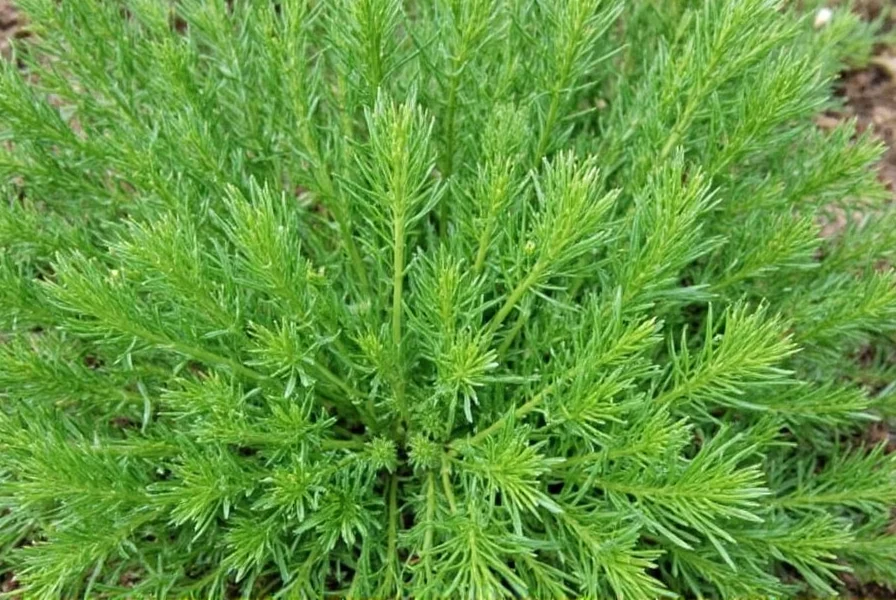
Dill weed isn't a separate plant but rather the leafy portion of the dill plant (Anethum graveolens), distinct from dill seed which comes from the plant's mature fruit. Understanding where dill weed comes from requires exploring both its botanical origins and historical journey across civilizations.
Botanical Identity of Dill Weed
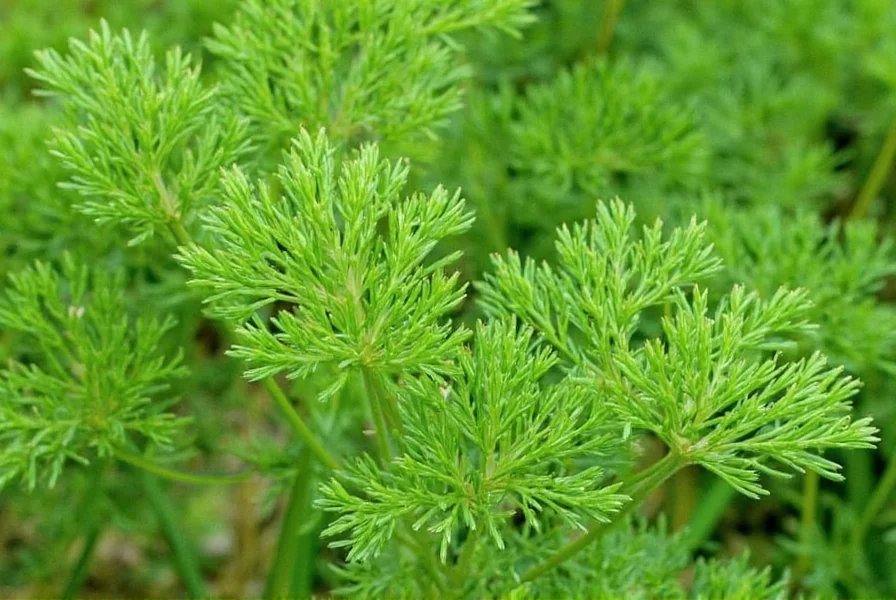
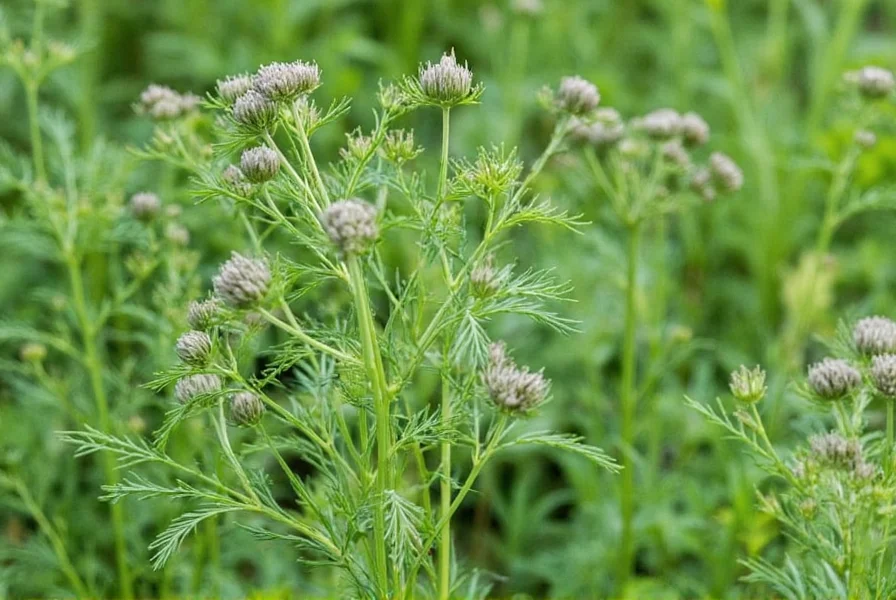
Dill (Anethum graveolens) belongs to the Apiaceae family, which includes parsley, cilantro, and fennel. This aromatic herb features delicate, fern-like leaves that grow on hollow stems reaching 2-4 feet in height. The fresh leaves constitute what we call "dill weed" in culinary contexts, while the yellow flowers eventually develop into the oval-shaped seeds known as dill seed.
Ancient Origins and Historical Journey
Archaeological evidence confirms dill's presence in ancient Egyptian tombs dating back to 5000 BCE, suggesting its early cultivation in the Nile Valley. The herb appears in both Greek and Roman historical records, with references in the writings of Pliny the Elder and Dioscorides. Ancient Greeks used dill as a symbol of wealth, while Romans incorporated it into medicinal preparations and as a carminative.
During the Middle Ages, dill maintained prominence across European monastic gardens. Charlemagne's Capitulare de villis (circa 800 CE) specifically listed dill among herbs worthy of cultivation. By the 16th century, European colonists had introduced dill to North America, where it naturalized in many regions.
Modern Geographic Distribution
Today, dill grows wild across temperate regions worldwide, though its natural habitat remains concentrated in:
| Region | Natural Habitat Status | Primary Cultivation Areas |
|---|---|---|
| Mediterranean Basin | Native | Greece, Italy, Southern France |
| Western Asia | Native | Turkey, Iran, Caucasus region |
| North America | Naturalized | California, Pacific Northwest |
| Eastern Europe | Naturalized | Poland, Ukraine, Russia |
Dill thrives in USDA hardiness zones 3-11, preferring full sun and well-drained soil. Commercial production occurs primarily in India, Mexico, Eastern Europe, and the United States, with California leading domestic cultivation.
Distinguishing Dill Weed from Dill Seed
Many consumers confuse dill weed with dill seed, though they come from the same plant at different growth stages:
- Dill weed: Harvested from the fresh green leaves before flowering
- Dill seed: Collected from the mature seed heads after flowering
The flavor profiles differ significantly—dill weed offers a delicate, grassy flavor with subtle anise notes, while dill seed has a stronger, more pungent taste with citrus undertones. This distinction explains why recipes specify one form over the other.
Cultivation Practices for Culinary Use
Commercial dill production follows specific practices to maximize leaf quality:
- Seeds are sown directly in soil after last frost when temperatures reach 60°F (15°C)
- Plants require 6-8 hours of direct sunlight daily
- Irrigation maintains consistent soil moisture without waterlogging
- Harvest occurs when plants reach 8-12 inches in height, before flowering
- Leaves are cut early morning when essential oil concentration peaks
For home gardeners exploring where does dill weed come from naturally, the plant readily self-seeds and often returns year after year in suitable climates. Understanding dill weed plant origin history helps gardeners replicate its preferred growing conditions.
Culinary Applications Across Cultures
Dill's geographic journey influenced its integration into regional cuisines:
- Scandinavian cuisine: Essential in gravlax, pickled herring, and dill potatoes
- Mediterranean cooking: Featured in Greek tzatziki and Turkish cacık
- Eastern European dishes: Central to borscht and cucumber salads
- Middle Eastern preparations: Used in fattoush salad and yogurt sauces
When exploring what is the natural habitat of dill weed, it's fascinating to see how this Mediterranean native adapted to northern European climates, becoming a staple in cuisines far from its original growing regions.
Preserving Dill's Fresh Flavor
Since dill weed loses potency when dried, preservation methods focus on maintaining freshness:
- Refrigeration in damp paper towels within airtight containers
- Freezing in ice cube trays with water or oil
- Creating dill vinegar or herb-infused oils
- Quick-pickling for extended shelf life
Commercial producers often harvest dill weed early morning when essential oil concentration peaks, explaining why farmers' market dill frequently surpasses supermarket quality. Those curious about how is dill weed grown commercially will find timing and handling critical to preserving its delicate flavor compounds.
Frequently Asked Questions
Is dill weed the same as fresh dill?
Yes, dill weed refers specifically to the fresh leaves of the dill plant. The term 'weed' in this context is a historical culinary term for leafy herbs, not indicating that dill is an undesirable plant.
Can you grow dill weed indoors year-round?
Yes, dill weed can be successfully grown indoors with proper conditions. It requires at least 6 hours of direct sunlight or equivalent grow light exposure, well-draining soil, and consistent moisture. Indoor plants typically grow smaller than outdoor varieties but provide fresh leaves throughout the year.
Why does my homegrown dill taste different from store-bought?
Flavor differences often result from harvest timing and growing conditions. Commercial dill is typically harvested early morning when essential oils peak, while homegrown may be picked at less optimal times. Soil composition, water quality, and sunlight exposure also significantly impact flavor profile.
How long does fresh dill weed last after harvesting?
Properly stored fresh dill weed maintains quality for 7-10 days in the refrigerator. For optimal freshness, wrap the stems in a damp paper towel and place in an airtight container. Avoid washing until ready to use, as excess moisture accelerates spoilage.
What's the difference between dill weed and dill seed?
Dill weed comes from the fresh leaves of the dill plant, while dill seed comes from the mature flower heads. They have different flavor profiles—dill weed is more delicate and grassy, while dill seed has a stronger, more pungent taste with citrus notes. They're not interchangeable in recipes due to these flavor differences.




 浙公网安备
33010002000092号
浙公网安备
33010002000092号 浙B2-20120091-4