
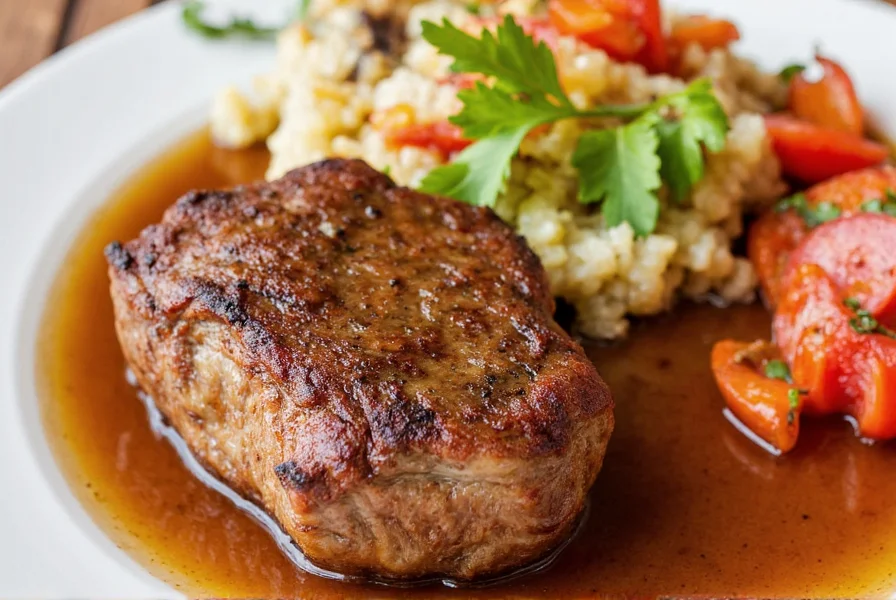
When exploring the perfect cumin lamb recipe, understanding the science behind this flavor pairing transforms good cooking into exceptional culinary art. Cumin's essential oils contain cuminaldehyde, which interacts beautifully with lamb's natural fats, creating a synergistic flavor profile that neither ingredient achieves alone. This chemical interaction explains why cultures across three continents have independently developed cumin-lamb dishes for centuries.
The Science Behind Cumin and Lamb Flavor Chemistry
Lamb's distinctive flavor comes from branched-chain fatty acids that give it that characteristic 'gamey' note many appreciate. Cumin contains volatile compounds that bind with these fatty acids, mellowing any potential gaminess while enhancing the meat's natural richness. When you toast cumin seeds before use, you trigger the Maillard reaction, releasing additional flavor compounds that complement lamb's umami characteristics.
Professional chefs recommend toasting whole cumin seeds in a dry pan over medium heat for 2-3 minutes until fragrant, then grinding them fresh. This technique yields significantly more aromatic intensity than pre-ground cumin, making it essential for authentic middle eastern cumin lamb preparations. The heat activates thymoquinone and other compounds that would otherwise remain dormant in raw seeds.
Traditional Cuisines Featuring Cumin Lamb
Cumin-lamb pairings appear across multiple culinary traditions, each with distinctive preparation methods:
| Cuisine Tradition | Signature Dish | Distinctive Preparation |
|---|---|---|
| Moroccan | Tagine | Slow-cooked with preserved lemon, olives, and warm spices |
| Indian | Rogan Josh | Yogurt-based marinade with ginger, garlic, and Kashmiri chilies |
| Mexican | Birria | Braised with dried chilies, cloves, and bay leaves |
| Greek | Kleftiko | Oven-braised with lemon, oregano, and garlic |
Each tradition developed its approach based on available ingredients and cooking methods, yet all recognize cumin's ability to complement lamb's richness without overwhelming it. In North African cooking, cumin often appears alongside coriander and cinnamon, while Indian preparations frequently combine it with turmeric and cardamom.
Selecting the Best Lamb Cut for Cumin Preparation
Not all lamb cuts work equally well with cumin. Understanding which cuts suit different cooking methods ensures optimal results for your cumin lamb cooking time and texture:
- Lamb shoulder - Ideal for slow cooking methods as connective tissues melt into gelatin, creating fork-tender meat that absorbs cumin's flavors deeply
- Lamb leg - Best for roasting; the leaner meat benefits from cumin's ability to enhance natural flavors without added fat
- Lamb chops - Perfect for quick searing; use a light cumin rub to avoid overpowering the delicate meat
- Lamb shank - Excellent for braising; the bone marrow adds richness that complements cumin's earthiness
For beginners attempting their first cumin lamb marinade recipe, shoulder offers the most forgiving texture and richest flavor absorption. The higher fat content carries cumin's essential oils throughout the meat during slow cooking.
Step-by-Step Cumin Lamb Recipe
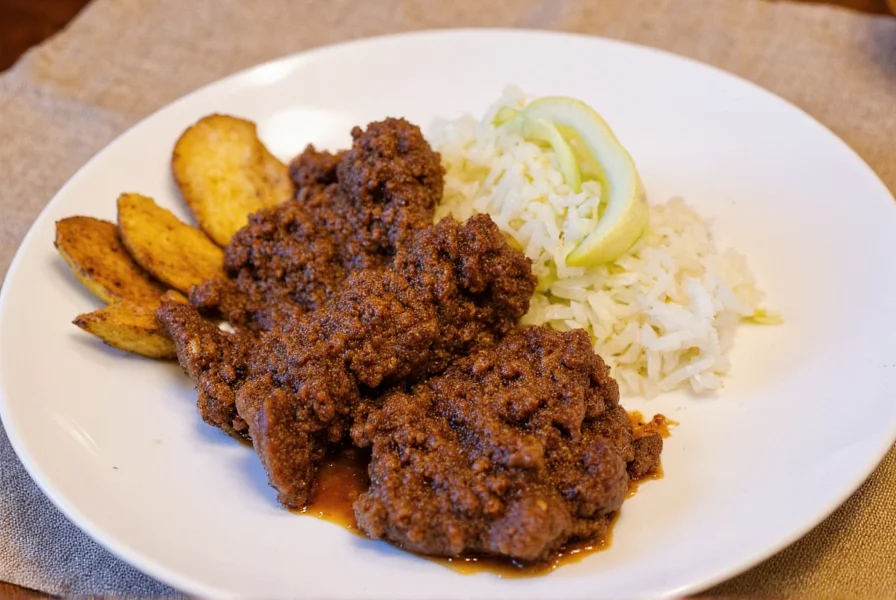
This authentic preparation delivers restaurant-quality results at home. For the best how to cook lamb with cumin experience, follow these precise steps:
- Toasting spices: Heat 2 tablespoons whole cumin seeds in dry skillet over medium heat for 2-3 minutes until fragrant
- Grind toasted seeds with 1 teaspoon coriander seeds and 1/2 teaspoon black pepper
- Prepare marinade: Mix ground spices with 3 minced garlic cloves, 1 tablespoon lemon juice, 2 tablespoons olive oil, and 1 teaspoon salt
- Rub mixture thoroughly over 2 pounds lamb shoulder (cut into 2-inch cubes)
- Refrigerate covered for 4-12 hours for optimal flavor penetration
- Remove from refrigerator 30 minutes before cooking
- Sear lamb in hot oven-safe pan, then transfer to 325°F oven
- Cook for 2-2.5 hours until fork-tender (internal temperature 195-205°F)
- Rest for 15 minutes before serving with cooking juices
Avoiding Common Cumin Lamb Mistakes
Even experienced cooks make these errors when preparing cumin and lamb flavor pairing dishes:
- Using pre-ground cumin - Loses 60% of volatile compounds within weeks of grinding
- Over-marinating - More than 24 hours makes meat mushy due to acid breakdown
- High-heat cooking - Causes cumin to become bitter; slow cooking preserves flavor complexity
- Skipping the resting period - Releases precious juices when cutting hot meat
- Insufficient seasoning - Lamb's richness requires more salt than other meats
Professional chefs emphasize that cumin should complement, not dominate, lamb's natural flavor. The ideal ratio is 1-2 teaspoons ground cumin per pound of meat, adjusted for personal preference. Remember that cumin's flavor intensifies during cooking, so err on the side of caution with initial measurements.
Serving Suggestions and Pairings
Complete your cumin lamb serving suggestions with these complementary elements:
- Grains - Couscous, bulgur, or basmati rice absorb the flavorful cooking juices
- Vegetables - Roasted eggplant, zucchini, or bell peppers enhance the earthy notes
- Accompaniments - Tzatziki, mint chutney, or preserved lemon cut through the richness
- Beverages - Medium-bodied red wines like Grenache or earthy herbal teas
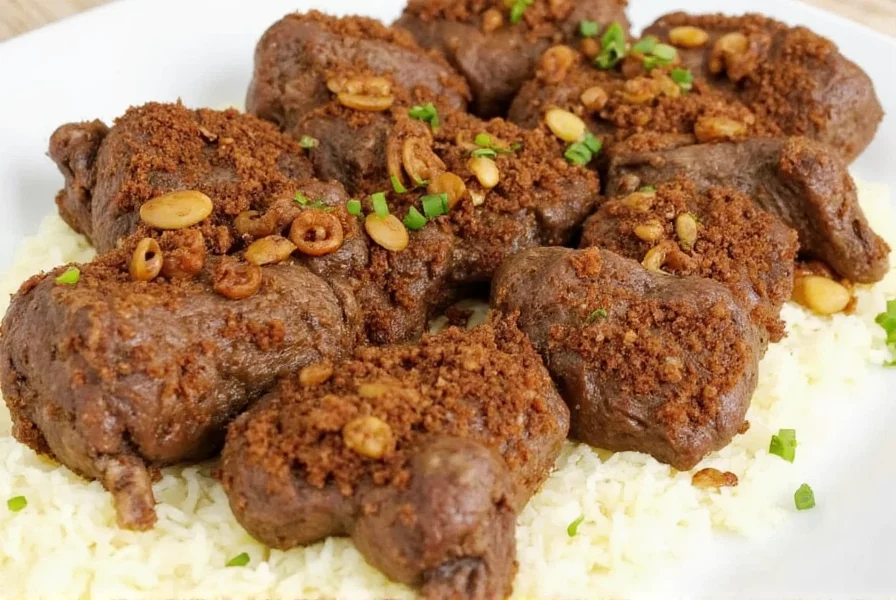
For authentic presentation, serve cumin lamb in the cooking vessel when possible. The visual presentation matters almost as much as flavor in traditional preparations. Garnish with fresh cilantro or parsley to add color contrast against the deep brown meat.
Storage and Reheating Techniques
Proper storage maintains your cumin lamb recipe quality for future enjoyment:
- Cool completely before refrigerating (within 2 hours of cooking)
- Store in airtight container with cooking liquid for up to 4 days
- Freeze portions with liquid for up to 3 months
- Reheat gently in covered dish with splash of water or broth
- Avoid microwave reheating which creates uneven temperatures
Interestingly, cumin lamb often tastes better the second day as flavors continue to meld. When reheating, add a pinch of fresh ground cumin to revitalize the spice profile that may have mellowed during storage.




 浙公网安备
33010002000092号
浙公网安备
33010002000092号 浙B2-20120091-4