
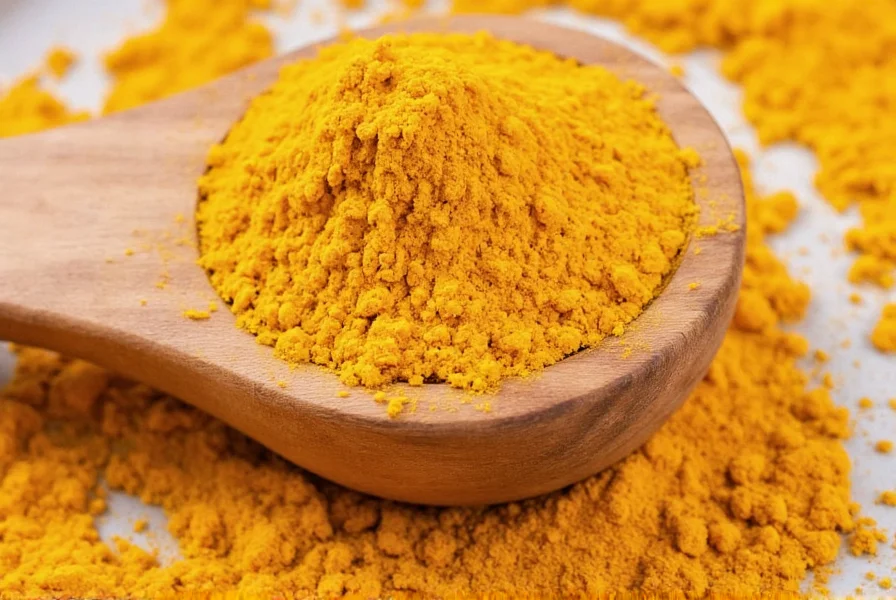
When searching for where to buy turmeric powder, you have multiple convenient options whether you prefer shopping in person or online. Turmeric has become increasingly popular due to its culinary uses and potential health benefits, making it readily accessible across various retail channels.
Understanding Turmeric Powder Options
Turmeric powder comes in several varieties that affect where you might want to purchase it. The standard version found in most supermarkets contains approximately 2-5% curcumin, the active compound responsible for turmeric's yellow color and potential health properties. Higher quality options with enhanced curcumin content (sometimes standardized to 95%) are typically available through specialty health stores or reputable online supplement retailers.
When considering where to buy turmeric powder, pay attention to these key factors:
- Packaging - Look for airtight containers that protect from light and moisture
- Labeling - Reputable brands disclose origin, processing methods, and curcumin percentage
- Certifications - Organic, non-GMO, and fair trade certifications indicate quality standards
- Price point - Extremely low prices may indicate diluted or low-quality product
Physical Retail Locations for Turmeric Powder
Major grocery chains consistently stock turmeric powder in their spice aisles. Walmart, Target, and Kroger typically carry popular brands like McCormick and Simply Organic at affordable prices ranging from $3-$8 for small containers. These mainstream options work well for culinary purposes but may not offer the highest concentration of curcumin.
Health food stores provide more specialized options. Whole Foods, Sprouts, and local co-ops often feature premium organic turmeric powder with detailed information about sourcing. Prices at these locations typically range from $6-$15 depending on brand and container size. Many health food stores also offer bulk purchasing options, allowing you to buy exactly the amount you need while reducing packaging waste.
Ethnic grocery stores, particularly Indian markets, offer authentic turmeric powder often sold in larger quantities at competitive prices. These stores frequently carry both standard and premium varieties, with prices ranging from $2-$10 depending on quality. Shopping at ethnic markets provides access to traditionally processed turmeric that may differ slightly in flavor profile from mainstream supermarket options.
| Store Type | Price Range (per ounce) | Quality Indicators | Best For |
|---|---|---|---|
| Major Grocery Stores | $0.75-$1.50 | Standard spice blends, basic packaging | Everyday cooking needs |
| Health Food Stores | $1.25-$2.50 | Organic certification, detailed labeling | Quality-focused consumers |
| Ethnic Markets | $0.50-$1.75 | Traditional processing methods | Authentic culinary experiences |
| Online Retailers | $0.65-$3.00 | Customer reviews, detailed product info | Convenience and variety |
Online Purchasing Options for Turmeric Powder
Online shopping provides access to the widest selection of turmeric powder options. Amazon features numerous brands with customer reviews that help verify quality claims. When searching where to buy turmeric powder online, look for products with at least 4-star ratings and substantial review counts to ensure reliability.
Specialty health retailers like iHerb and Vitacost offer premium turmeric products with detailed information about sourcing and processing. These platforms often provide third-party testing results and transparent information about curcumin content. Prices online typically range from $0.65-$3.00 per ounce, with subscription options available for regular purchasers.
For those specifically searching where to buy organic turmeric powder near me through online channels, Thrive Market offers competitive pricing on certified organic options with membership benefits. Many online retailers also provide sample sizes, allowing you to test different brands before committing to larger quantities.
Quality Verification When Purchasing Turmeric
Unfortunately, turmeric adulteration remains a concern in the spice industry. Some products may contain fillers like starch, chalk, or even harmful coloring agents. When determining where to purchase turmeric root powder, look for these quality indicators:
- Bright yellow-orange color (dull yellow may indicate age or dilution)
- Strong, earthy aroma when opened
- Smooth texture without gritty particles
- Transparent labeling of origin and processing methods
- Third-party testing certifications when available
A simple home test involves mixing a small amount of turmeric with water. Pure turmeric will create a vibrant yellow solution, while adulterated products may show unnatural color separation or sediment. For those concerned about purity, purchasing from reputable sources that provide transparency about their supply chain remains the most reliable approach.
Storage Recommendations After Purchase
Proper storage significantly impacts turmeric powder's shelf life and potency. After purchasing turmeric powder from your preferred source, store it in an airtight container away from direct light and heat. The pantry works well for short-term storage (3-6 months), while the refrigerator extends freshness to 1-2 years.
Avoid storing turmeric near strong-smelling spices as it can absorb odors. For those buying in bulk where to buy turmeric powder in larger quantities, consider dividing your purchase into smaller containers to minimize exposure to air each time you use it. Properly stored turmeric maintains both its vibrant color and potential health benefits longer.
Specialty Turmeric Products Worth Considering
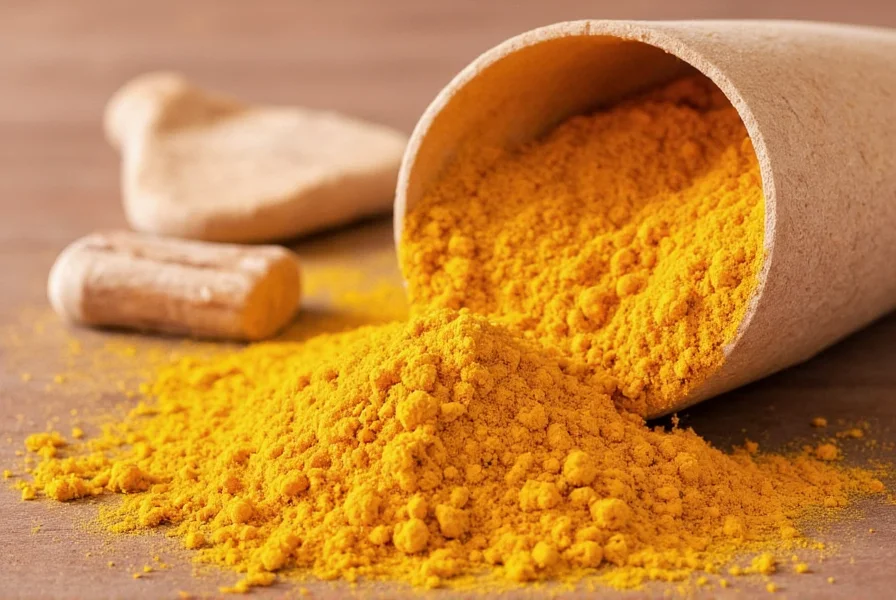
Beyond standard turmeric powder, several enhanced formulations offer specific benefits. Black pepper-infused turmeric (containing piperine) increases curcumin absorption. Some brands offer turmeric with added healthy fats like coconut oil to improve bioavailability. For those researching where to buy turmeric powder for specific health purposes, these specialized formulations may provide additional benefits.
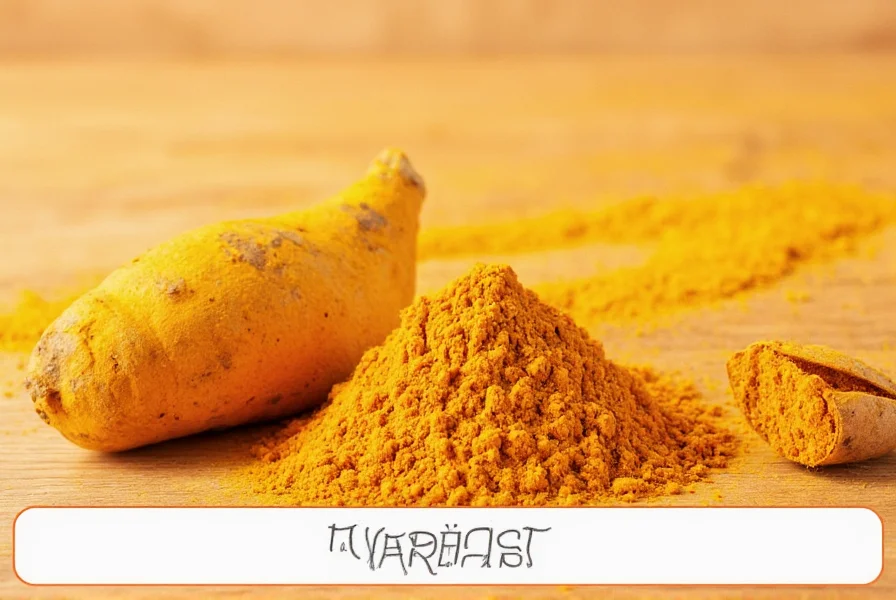
Fresh turmeric root represents another option available at many of the same locations that sell powder. While not as convenient as powder, fresh root offers superior flavor and potentially higher curcumin content. Stores like Whole Foods, Trader Joe's, and Asian markets often carry fresh turmeric in the produce section during peak season.
Frequently Asked Questions
Where can I buy turmeric powder for the best price?
Ethnic markets and online retailers typically offer the best prices for turmeric powder. Indian grocery stores often sell 4-8 ounce containers for $2-$5, while online retailers like Amazon and iHerb provide competitive pricing with subscription discounts. Buying in bulk from stores with bulk sections can also reduce cost per ounce.
How do I verify if turmeric powder is pure and not adulterated?
Check for bright yellow-orange color, strong earthy aroma, and smooth texture. Pure turmeric creates a vibrant yellow solution when mixed with water, while adulterated products may show unnatural color separation. Look for transparent labeling of origin and processing methods, and consider purchasing from brands that provide third-party testing results.
Is organic turmeric powder worth the extra cost?
Organic turmeric powder is worth the premium for those concerned about pesticide residues and farming practices. Conventional turmeric may contain traces of agricultural chemicals, while certified organic options guarantee no synthetic pesticides were used. For culinary use, conventional may suffice, but for regular consumption seeking potential health benefits, organic provides greater assurance of purity.
What's the difference between store-bought turmeric and specialty health store varieties?
Store-bought turmeric from regular grocery stores typically contains 2-5% curcumin and may include anti-caking agents. Specialty health store varieties often feature higher curcumin content (sometimes standardized to 95%), organic certification, and transparent sourcing information. Health store options generally cost more but provide greater quality assurance and potency for those using turmeric for potential health benefits.




 浙公网安备
33010002000092号
浙公网安备
33010002000092号 浙B2-20120091-4