
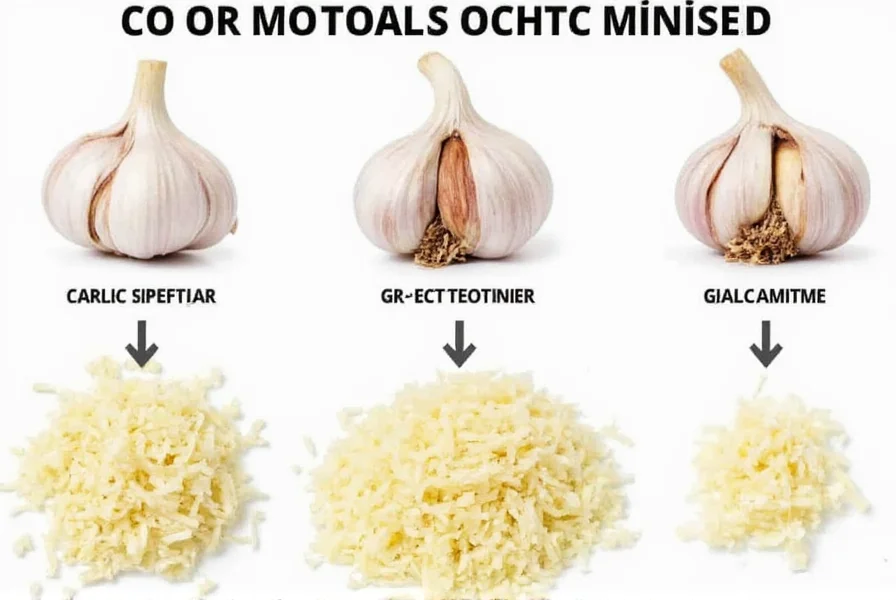
Understanding garlic measurements is essential for consistent cooking results. When recipes specify “3 cloves garlic minced,” they’re referring to the amount of garlic after peeling and finely chopping three individual garlic segments. This measurement matters because garlic’s potency varies significantly between whole cloves and their minced form.
Why Precise Garlic Measurement Matters
Garlic transforms dishes with its aromatic complexity, but incorrect measurements can ruin a recipe. Too little lacks impact; too much creates overwhelming bitterness. Professional chefs emphasize that “3 cloves garlic minced” provides the ideal balance for most four-serving recipes. This quantity delivers robust flavor without dominating other ingredients – crucial for sauces, marinades, and sautéed dishes.
Garlic Measurement Conversion Guide
Understanding equivalents helps when you’re mid-recipe and realize you’ve run out of fresh garlic. Here’s how different garlic forms compare:
| Garlic Form | 1 Clove Equivalent | 3 Cloves Equivalent |
|---|---|---|
| Whole peeled clove | 1 clove | 3 cloves |
| Freshly minced | ½ tsp | 1½ tsp (or ¼ tbsp) |
| Garlic paste | ¼ tsp | ¾ tsp |
| Garlic powder | 1/8 tsp | 3/8 tsp |
| Granulated garlic | 1/6 tsp | ½ tsp |
Important note: These conversions assume medium-sized garlic cloves (about 1 inch long and ¾ inch in diameter). Larger elephant garlic varieties may yield up to 25% more minced volume, while smaller gourmet varieties might produce less.
Proper Technique for Mincing Garlic
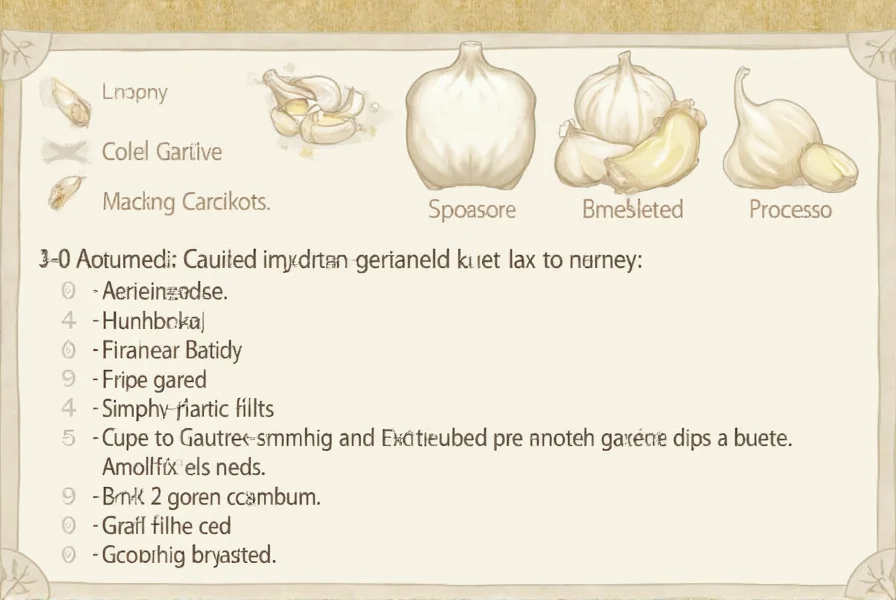
How you prepare garlic affects both volume and flavor. Follow these professional kitchen techniques for optimal results when mincing 3 cloves garlic:
- Peel efficiently: Place cloves on a cutting board, flatten with palm of hand, then remove skins
- Remove sprouts: Cut out any green germ in center (bitter taste)
- Uniform mincing: Slice thinly lengthwise, then crosswise into fine pieces
- Rocking motion: Use chef’s knife in rocking motion for consistent mince
- Rest time: Let minced garlic sit 10 minutes before cooking to develop flavor compounds
When Substitutions Work (and When They Don’t)
While fresh garlic delivers superior flavor, sometimes substitutions become necessary. Understanding when to use alternatives prevents recipe disasters:
Acceptable substitutions for 3 cloves garlic minced:
- Garlic paste in sauces where texture doesn’t matter
- Pre-minced garlic in oil for quick weeknight meals
- Garlic powder in dry rubs or spice blends
Avoid substitutions when:
- Making aioli or garlic-infused oils
- Preparing traditional pesto
- Cooking delicate seafood dishes
- Creating authentic Italian or Mediterranean sauces
Storage Tips for Minced Garlic
Pre-mincing garlic saves time but requires proper storage to maintain quality. If you’ve minced more than 3 cloves garlic for future use:
- Store in airtight container with thin olive oil layer on top
- Refrigerate for up to 5 days (discard if yellowing occurs)
- Freeze in ice cube trays for longer storage (up to 3 months)
- Never store at room temperature – risk of botulism
Recipe Adjustments Based on Garlic Freshness
Freshness dramatically impacts garlic’s potency. Adjust your “3 cloves garlic minced” measurement based on these factors:
- New harvest garlic (July-October): Use 25% less – exceptionally pungent
- Stored garlic (winter months): Use full measurement
- Soft or sprouting garlic: Increase by 25% for equivalent flavor
- Young garlic (spring): Double the amount for similar intensity
Common Mistakes with Garlic Measurements
Avoid these frequent errors when working with “3 cloves garlic minced” in recipes:
- Measuring before mincing: Whole cloves don’t equal minced volume
- Using jarred minced garlic: Contains preservatives that alter flavor
- Adding too early: Burns easily – add during last 2 minutes of cooking
- Not adjusting for variety: Elephant garlic needs nearly double the amount
Professional Chef Insights
Top culinary professionals emphasize that understanding “3 cloves garlic minced” goes beyond simple measurement. Chef Marco Pierre White notes: “Garlic should whisper, not shout, in most dishes.” This philosophy explains why precise measurement matters – the difference between 1.5 and 2 teaspoons can transform a balanced dish into an overpowering one.
When developing recipes, test kitchens typically measure minced garlic by gently packing it into measuring spoons without compression. This “lightly packed” method yields the most consistent results across different cooking applications.
FAQ: 3 Cloves Garlic Minced
How much minced garlic equals 3 cloves?
Three cloves of garlic minced equals approximately 1.5 teaspoons (1½ tsp) of freshly minced garlic. This measurement assumes medium-sized cloves (about 1 inch long). Larger cloves may yield up to 2 teaspoons, while smaller varieties might produce only 1 teaspoon.
Can I substitute jarred minced garlic for fresh?
While possible, jarred minced garlic contains preservatives that alter flavor and texture. For 3 cloves garlic minced, use 1 teaspoon of jarred product but expect slightly different results. Freshly minced garlic provides superior flavor complexity and better integration with other ingredients.
Does the size of garlic cloves affect the measurement?
Yes, significantly. Standard recipes assume medium cloves (1 inch long, ¾ inch diameter). Large elephant garlic cloves may yield 30-50% more minced volume, while small gourmet varieties produce less. When precision matters, weigh cloves – 3 medium cloves typically weigh 9-12 grams before mincing.
How do I convert 3 cloves garlic to garlic powder?
For 3 cloves garlic minced, use 3/8 teaspoon of garlic powder. Remember that garlic powder is more concentrated, so this substitution works best in dry rubs or baked goods. For sauces and sautés, fresh garlic provides better flavor development.
Why does my recipe specify ‘minced’ instead of chopped garlic?
Mincing creates smaller, more uniform pieces that distribute flavor evenly throughout dishes. Three cloves garlic minced provides consistent garlic flavor in every bite, while chopped garlic creates concentrated pockets of intense flavor. Mincing also allows garlic to cook more evenly without burning.




 浙公网安备
33010002000092号
浙公网安备
33010002000092号 浙B2-20120091-4