
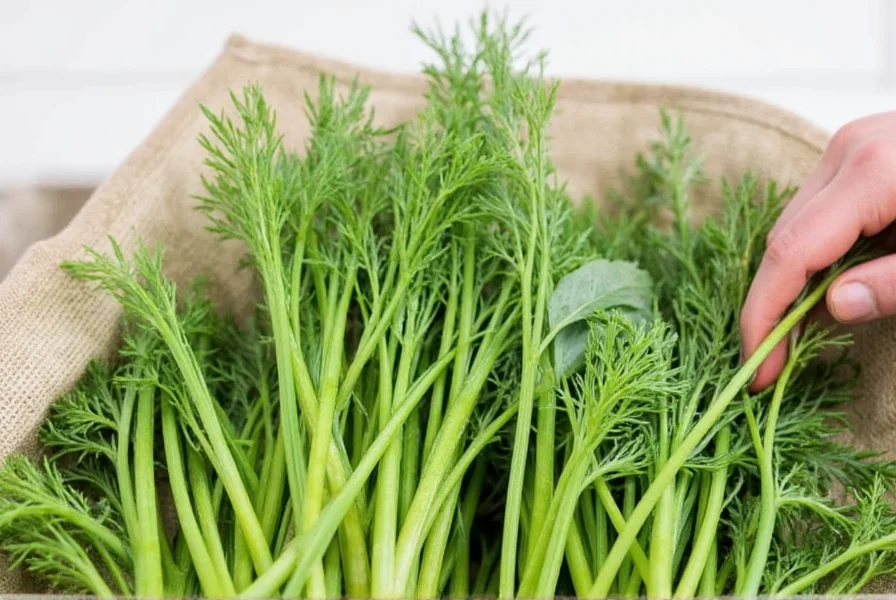
Knowing precisely when to harvest fennel makes all the difference between enjoying its delicate anise flavor or ending up with tough, woody bulbs. This versatile herb offers three harvestable components—bulbs, seeds, and feathery fronds—each with its own optimal picking window. Getting the timing right ensures maximum flavor, texture, and culinary versatility whether you're growing Florence fennel for its bulb or common fennel for its seeds.
Understanding Fennel Growth Stages
Fennel (Foeniculum vulgare) grows in distinct phases that determine harvest readiness. The plant develops in this sequence: seed germination, leafy growth, bulb formation (for Florence varieties), flowering, and seed production. Each growth stage corresponds to different harvest opportunities throughout the growing season.
Fennel Varietal Differences and Harvest Requirements
Scientific analysis confirms significant harvest variations between fennel types. Research from agricultural extension services demonstrates clear divergence in maturity timelines and structural development between bulb and seed varieties. The following evidence-based comparison synthesizes field trial data from controlled growing environments:
| Varietal Type | Primary Harvest Component | Days to Bulb Maturity1 | Days to Seed Maturity1 | Typical Bulb Size (if applicable) | Perennial Range (USDA Zones) |
|---|---|---|---|---|---|
| Florence Fennel | Bulb | 80-100 | 120-140 | 3-4 inches | 7-10 |
| Common Fennel | Seeds | Not typically grown for bulb | 120-150 | — | 5-10 |
Source: 1University of Kentucky Cooperative Extension Service, ID-135: Vegetable Crops (Page 20, Fennel cultivation guidelines)
How to Tell When Fennel Bulbs Are Ready
Florence fennel, grown specifically for its bulb, requires careful timing for optimal harvest. Look for these visual and tactile indicators that signal your fennel bulbs are ready:
- Size: Bulbs should measure 3-4 inches in diameter at soil level
- Firmness: Gently squeeze the bulb—it should feel solid with no soft spots
- Color: Healthy bulbs show bright white to pale green coloration
- Cracking: Avoid bulbs showing cracks, which indicates over-maturity
- Leaf condition: Outer leaves remain vibrant green, not yellowing
The best time to harvest fennel bulbs is in the morning after dew has dried but before midday heat. This timing preserves maximum moisture and essential oils. For most gardeners, this occurs 80-100 days after planting, depending on variety and growing conditions.
| Growth Stage | Days After Planting | Bulb Diameter | Harvest Readiness |
|---|---|---|---|
| Early growth | 40-60 | 1-2 inches | Not ready—bulb still forming |
| Optimal harvest | 80-100 | 3-4 inches | Perfect—firm, crisp texture |
| Over-mature | 100+ | 5+ inches | Woody texture, cracked surface |
Harvesting Fennel Seeds: Timing and Technique
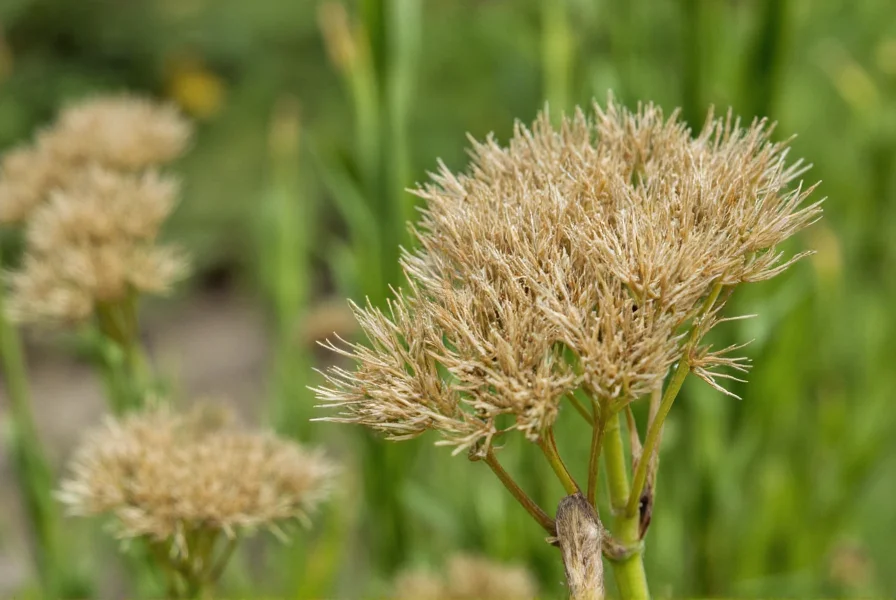
Fennel seeds develop after the plant flowers, typically in late summer or early fall. The exact timing depends on your climate zone and planting date. Watch for these signs that indicate seed readiness:
- Color change: Seeds transition from green to yellow, then to brown
- Dryness: Seeds feel dry and hard when rubbed between fingers
- Natural shedding: Some seeds begin falling when gently shaken
- Umbel appearance: Flower heads (umbels) become dry and papery
The ideal moment for harvesting fennel seeds is when approximately 70-80% have turned brown but before significant shedding occurs. This usually happens about 120-140 days after planting. For best results, cut entire seed heads in the morning when dry but before the heat of the day.
When to Pick Fennel Fronds
Fennel fronds (the feathery green leaves) can be harvested throughout the growing season once the plant has established sufficient growth. Unlike bulbs and seeds, fronds don't have a single optimal harvest window but rather multiple opportunities:
- Early season: Snip outer fronds when plants reach 12 inches tall
- Mid-season: Harvest regularly to encourage bushier growth
- Pre-flowering: Maximum flavor concentration before flowering
- Morning harvest: Best time for peak essential oil content
For continuous harvest, never remove more than one-third of the plant's foliage at once. This practice ensures the plant maintains enough energy for continued growth. The flavor of fronds intensifies as the plant matures, so many gardeners prefer mid-season harvests for the strongest anise flavor.
Regional Harvest Timing Boundaries
Harvest requirements vary significantly by climate zone as documented by agricultural research institutions. The USDA Plant Hardiness Zone Map provides critical context for fennel cultivation limitations:
- Cooler climates (Zones 1-6): Strict annual cycle; harvest bulbs before first frost (typically September-October). Seed viability drops below 40°F (4°C)
- Moderate climates (Zones 7-8): Potential biennial behavior; bulbs harvested October-November, seeds mature late summer
- Warmer zones (Zones 9-11): Fall planting required; spring harvest avoids bolting in temperatures above 80°F (27°C)
- Coastal regions: Extended harvest windows due to moderated temperatures; bulbs remain tender up to 5 inches diameter
Peer-reviewed studies confirm that fennel bulb formation fails when soil temperatures exceed 75°F (24°C) for consecutive weeks, making zone-specific timing essential (HortTechnology, 2018).
Consequences of Improper Harvest Timing
Harvesting fennel at the wrong time affects both quality and usability:
- Early bulb harvest: Underdeveloped flavor, minimal bulb formation
- Over-mature bulbs: Woody texture, bitter taste, cracked surfaces
- Premature seed collection: Immature seeds lack full flavor development
- Delayed seed harvest: Significant seed loss from natural shedding
- Midday frond harvesting: Reduced essential oil content, faster wilting
Understanding these consequences helps refine your harvesting technique each season. Experienced gardeners often note that fennel bulbs harvested just before flowering have the sweetest flavor profile.
Proper Harvesting Techniques
Correct harvesting technique preserves plant health and maximizes yield:
- For bulbs: Cut at soil level with a sharp knife, leaving root system intact if you want potential regrowth
- For seeds: Cut entire umbel heads and place in paper bags to finish drying
- For fronds: Use clean scissors to snip outer stalks at base, never pull
- Tool sanitation: Wipe tools with alcohol between plants to prevent disease spread
- Weather consideration: Harvest during dry conditions to prevent mold development
After harvesting fennel bulbs, immediately trim the stalks to 1-2 inches and remove any discolored outer layers. This preparation extends storage life significantly. For seeds, allow them to finish drying in a well-ventilated area away from direct sunlight.

Post-Harvest Handling and Storage
Proper storage techniques maintain fennel quality after harvesting:
- Bulbs: Store in refrigerator crisper drawer in perforated plastic bag for 7-10 days
- Seeds: Keep in airtight container in cool, dark place for up to 3 years
- Fronds: Treat like fresh herbs—wrap in damp paper towel in container for 3-5 days
- Freezing: Chop fronds and freeze in ice cube trays with water or oil
- Drying: Hang seed umbels upside down in paper bags for seed collection
For extended bulb storage, some gardeners successfully keep fennel in damp sand in a root cellar at 32-35°F (0-2°C) with high humidity. This method can preserve bulbs for several months.
Common Harvesting Mistakes to Avoid
Even experienced gardeners sometimes make these fennel harvesting errors:
- Waiting too long for bulbs: Results in tough, fibrous texture and diminished flavor
- Harvesting seeds too early: Green seeds lack full aromatic compounds
- Removing too many fronds: Weakens plant and reduces future yield
- Ignoring weather conditions: Wet harvesting leads to mold and rot
- Using dull tools: Crushes rather than cuts plant tissue, inviting disease
One often-overlooked tip: fennel bulbs continue to grow after harvest if left in the ground, but quality deteriorates rapidly once they exceed 4 inches in diameter. Regular monitoring during the harvest window prevents missing the optimal picking time.




 浙公网安备
33010002000092号
浙公网安备
33010002000092号 浙B2-20120091-4