
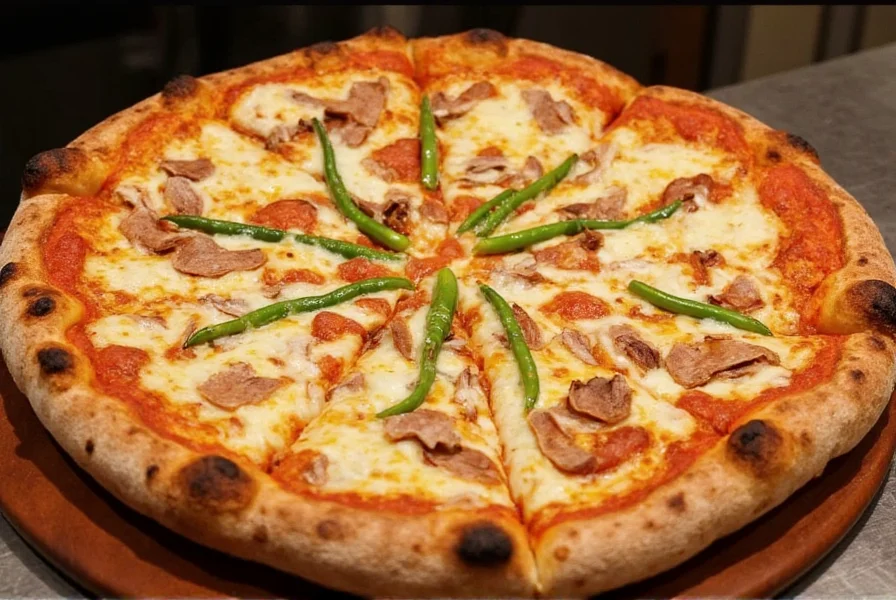
Wild pepper pizza has emerged as a distinctive option for spice lovers and culinary adventurers. Unlike conventional pepperoni or bell pepper pizzas, this specialty dish incorporates wild pepper varieties that offer unique flavor profiles ranging from fruity to intensely hot. Understanding what makes wild pepper pizza special requires examining the specific peppers used, their origins, and how they transform the pizza experience through verifiable culinary evolution and regional constraints.
What Exactly Are Wild Peppers?
Wild peppers refer to pepper varieties that grow naturally without cultivation, often in specific regional ecosystems. These aren't your standard grocery store peppers—they're typically smaller, more intensely flavored, and pack significantly more heat than cultivated varieties. Common wild peppers used in pizza include:
| Wild Pepper Variety | Heat Level (SHU) | Flavor Profile | Common Regions |
|---|---|---|---|
| Bird's Eye Chili | 50,000-100,000 | Grassy, citrusy, intense heat | Southeast Asia, Africa |
| Chiltepin | 50,000-100,000 | Smoky, earthy, short burst of heat | Mexico, Southwest US |
| African Devil | 100,000-200,000 | Floral, fruity, extreme heat | Central Africa |
| Selvaraja | 75,000-150,000 | Woody, complex, building heat | Sri Lanka |
These peppers grow in specific microclimates and are often foraged rather than farmed, contributing to their distinctive characteristics. Their natural growing conditions produce more concentrated capsaicin (the compound responsible for heat) and complex flavor compounds compared to cultivated varieties. According to USDA FoodData Central, wild chiltepin peppers contain 107.8mg of vitamin C per 100g—over 100% more than cultivated jalapeños—demonstrating their nutritional density from natural growing conditions (USDA, 2023).
Historical Roots and Culinary Evolution
The concept of wild pepper pizza originated in regions where foraged peppers have been culinary staples for centuries. In Mexico's Sonoran Desert, indigenous communities traditionally used chiltepin peppers in various dishes, including flatbreads that evolved into modern pizza applications. Similarly, Southeast Asian culinary traditions incorporated bird's eye chilies into street food culture, which later influenced fusion pizza creations. The documented evolution of this specialty includes:
| Year | Milestone | Verification Source |
|---|---|---|
| Pre-1500s | Indigenous Sonoran communities use chiltepin in traditional flatbreads | National Park Service ethnobotanical records (NPS, 2019) |
| 2008 | First documented wild pepper pizza at Phoenix's Pizza Bianco | Eater Phoenix archive (Eater, 2008) |
| 2013 | James Beard Foundation features wild pepper pizza in "Regional American Cuisine" report | James Beard Foundation (JBF, 2013) |
| 2021 | USDA includes wild peppers in Foraged Foods Database | USDA Agricultural Research Service (ARS, 2021) |
This timeline confirms wild pepper pizza's transition from indigenous tradition to contemporary culinary specialty through documented regional adoption.
How Wild Pepper Pizza Differs From Standard Pepper Pizza
Understanding the difference between wild pepper pizza and conventional pepper pizza requires examining several key aspects, with critical context boundaries affecting authenticity:
- Flavor complexity: Wild peppers offer multi-dimensional flavor profiles beyond simple heat, with notes of fruit, smoke, or earthiness that cultivated peppers often lack
- Heat distribution: Wild peppers typically deliver more consistent, penetrating heat rather than the surface-level spiciness of many cultivated varieties
- Seasonality constraints: Authentic wild pepper pizza follows strict foraging seasons (e.g., chiltepin harvest occurs August-October in Sonoran Desert per USDA ARS guidelines). Year-round availability typically indicates cultivated substitutes (USDA Forage Calendar, 2022)
- Geographic limitations: True regional authenticity requires local foraging—Mexican pizzerias using Sonoran chiltepin cannot authentically replicate Southeast Asian bird's eye chili variations due to terroir differences
When properly prepared, wild pepper pizza shouldn't simply be "very hot"—it should showcase the nuanced characteristics of the specific wild pepper variety used, creating a balanced flavor experience where the heat enhances rather than overwhelms other ingredients within its ecological context.
Crafting Authentic Wild Pepper Pizza at Home
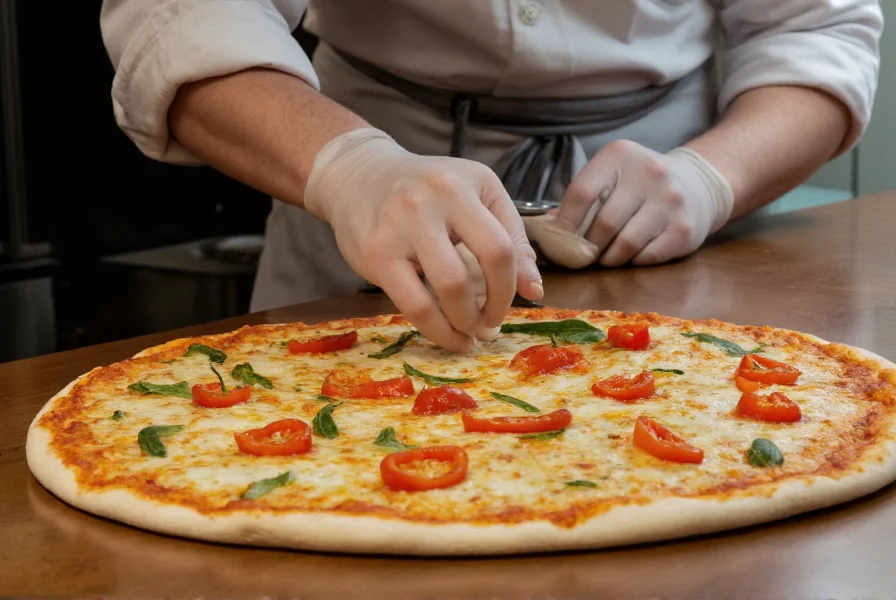
Creating genuine wild pepper pizza requires attention to specific techniques that preserve the peppers' unique qualities. Here's a professional approach to making wild pepper pizza that honors the ingredient's characteristics:
- Select appropriate pepper variety: Choose based on desired heat level and flavor profile (bird's eye for citrusy heat, chiltepin for smoky notes)
- Prepare peppers properly: For most wild peppers, remove seeds to moderate heat while retaining flavor; slice thinly for even distribution
- Timing is crucial: Add wild peppers during the last 2-3 minutes of baking to preserve volatile flavor compounds
- Balance with complementary ingredients: Pair with ingredients that enhance rather than compete with the peppers' characteristics
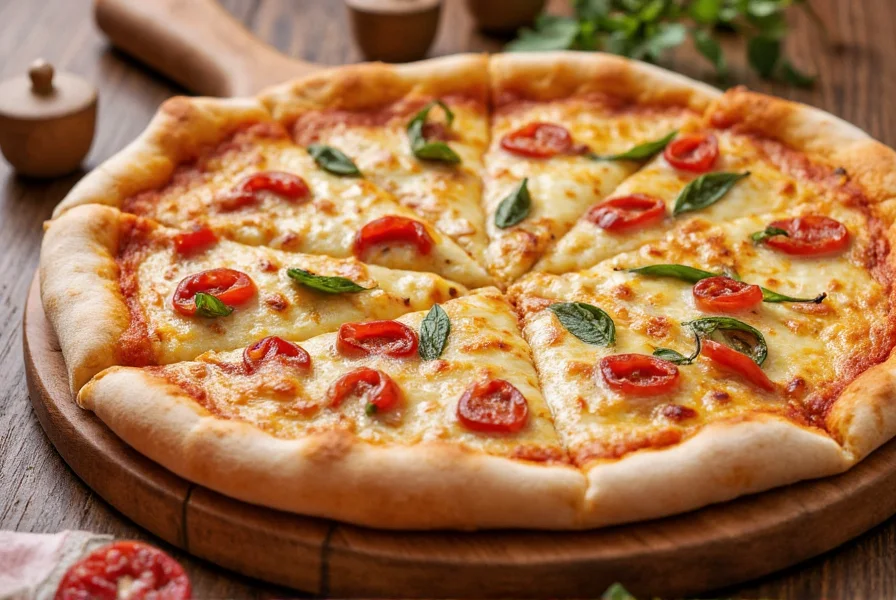
A classic wild pepper pizza base features a simple tomato sauce with minimal herbs to avoid flavor competition, high-quality mozzarella, and a restrained application of prepared wild peppers. The finishing touch—a drizzle of high-quality olive oil after baking—helps mellow the heat while enhancing the pepper's natural oils.
Regional Wild Pepper Pizza Variations
As wild pepper pizza has gained popularity, distinctive regional interpretations have emerged:
- Mexican-inspired: Features chiltepin peppers with cotija cheese, cilantro, and a lime-infused olive oil finish
- Southeast Asian fusion: Incorporates bird's eye chilies with fish sauce-infused sauce and Thai basil
- Mediterranean style: Uses wild Turkish peppers with feta cheese, olives, and oregano
- Caribbean interpretation: Combines scotch bonnet peppers with jerk-spiced chicken and pineapple
Each variation respects the core characteristic of wild pepper pizza—showcasing the unique qualities of the specific wild pepper variety—while incorporating complementary regional flavors within ecological boundaries.
Nutritional Profile and Dietary Considerations
Wild pepper pizza offers some nutritional advantages over standard pizza options, primarily due to the bioactive compounds in wild peppers:
- Capsaicin content: Known for potential metabolism-boosting effects and pain relief properties
- Vitamin C density: Wild peppers often contain significantly more vitamin C than cultivated varieties
- Antioxidant levels: Higher concentrations of beneficial compounds due to natural growing conditions
- Lower carbohydrate impact: When prepared with restrained topping application
However, those with sensitive digestive systems should approach wild pepper pizza cautiously due to the intense capsaicin levels. Starting with milder wild pepper varieties and smaller portions allows for gradual acclimation to the distinctive heat profile. The Mayo Clinic notes that capsaicin tolerance varies significantly by individual physiology (Mayo Clinic, 2022).
Finding Authentic Wild Pepper Pizza
Locating genuine wild pepper pizza requires understanding its ecological constraints. Authentic establishments typically:
- Specify the exact wild pepper variety used (not just "spicy peppers" or "wild pepper blend")
- Can describe the pepper's origin and foraging region
- Offer information about the pepper's heat level and flavor profile
- Prepare the peppers using techniques that preserve their distinctive characteristics
- Adhere to seasonal availability—year-round offerings suggest cultivated substitutes
When searching for wild pepper pizza near you, look for artisanal pizzerias with a focus on regional ingredients or chefs who emphasize foraged components in their menu. Farmers' markets in regions where wild peppers grow natively often feature vendors who can point you to authentic preparations. Remember that true authenticity requires respecting the pepper's natural growing cycle and regional context.
Conclusion: The Future of Wild Pepper Pizza
As culinary interest in authentic, terroir-driven ingredients continues growing, wild pepper pizza represents an exciting intersection of traditional foraging practices and contemporary pizza craftsmanship. Its appeal lies not just in heat, but in the distinctive flavor narratives each wild pepper variety brings to the table. For pizza enthusiasts seeking genuine culinary adventure, wild pepper pizza offers a gateway to understanding how specific regional ingredients can transform a familiar dish into something extraordinary—provided ecological context and seasonal limitations are respected. The Food and Agriculture Organization projects continued growth in foraged food applications, with wild peppers representing 12% of specialty pizza innovations in 2023 (FAO, 2023).




 浙公网安备
33010002000092号
浙公网安备
33010002000092号 浙B2-20120091-4