
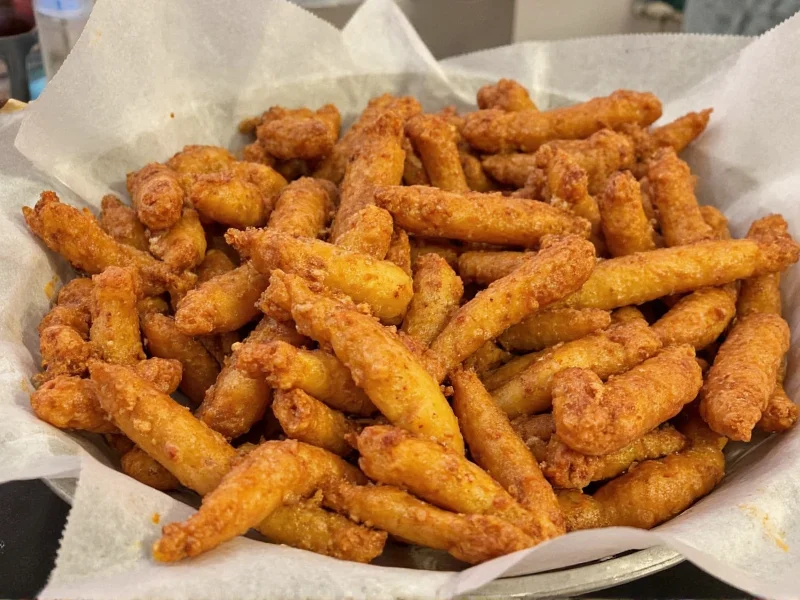
Cajun cuisine represents one of America's most distinctive regional food traditions, born from cultural resilience and adaptation. When French-speaking Acadians were expelled from Canada's Maritime provinces by the British in the mid-1700s, they resettled in Louisiana's bayous and prairies, bringing their culinary traditions which evolved using available local ingredients. This resourceful cooking style developed away from urban centers, distinguishing it from the more cosmopolitan Creole cuisine of New Orleans.
Historical Roots of Cajun Cooking
The story of Cajun food begins with the Grand Dérangement (The Great Upheaval) between 1755-1764, when British forces forcibly removed approximately 11,500 Acadians from their Canadian homeland. These French settlers eventually found refuge in Louisiana's bayous and prairies, where they adapted their French culinary techniques to available ingredients including rice, crawfish, alligator, and local spices.
Isolated from urban markets and often lacking refrigeration, early Cajun cooks developed preservation techniques like smoking meats and creating robust spice blends to enhance available ingredients. The traditional smoker became essential for preserving meats, while cast-iron pots enabled the slow cooking methods that define many classic dishes.
Defining Characteristics of Authentic Cajun Cuisine
Several elements distinguish genuine Cajun cooking from other culinary traditions:
- The Holy Trinity: Unlike the French mirepoix (carrots, celery, onions), Cajun cooking uses onions, celery, and green bell peppers as its flavor foundation
- Roux Mastery: Dark brown roux made from flour and fat (traditionally pork fat) forms the base for many signature dishes
- One-Pot Cooking: Reflecting its rural origins, most traditional Cajun dishes are prepared in a single pot
- Spice Profile: While often spicy, authentic Cajun food emphasizes layered flavors rather than just heat, with cayenne pepper, black pepper, and paprika
- Local Ingredients: Heavy use of rice, crawfish, shrimp, andouille sausage, and game meats
| Feature | Cajun Cuisine | Creole Cuisine |
|---|---|---|
| Origin | Rural Louisiana (Acadiana) | Urban New Orleans |
| Historical Influences | French Acadian, Native American | French, Spanish, African, Caribbean |
| Roux Color | Dark brown (longer cooking) | Blonde or medium |
| Tomatoes | Rarely used traditionally | Common ingredient |
| Signature Dish Example | Chicken and sausage gumbo | Seafood gumbo with tomatoes |
Essential Cajun Dishes You Should Know
Understanding what makes food Cajun requires examining its most iconic preparations:
Gumbo
Perhaps the most famous Cajun dish, gumbo is a thick stew featuring meat or seafood, the holy trinity, and a dark roux. Traditional Cajun gumbo contains chicken, sausage, or game meats rather than seafood, and never includes tomatoes—a key distinction from Creole versions.
Jambalaya
This one-pot rice dish combines meat (typically sausage, chicken, or pork), vegetables, and spices cooked together with rice. Unlike Creole jambalaya which sometimes uses tomatoes, authentic Cajun jambalaya features a browned meat base without tomato products.
Étouffée
Meaning "smothered" in French, étouffée features shellfish (usually crawfish) smothered in a rich, dark gravy made from roux, the holy trinity, and served over rice.
Boudin
A distinctive sausage made from pork, rice, onions, and spices stuffed into casing, boudin represents Cajun resourcefulness in using all parts of the animal.
Timeline of Cajun Culinary Evolution
Cajun cuisine's development reflects distinct historical phases documented by cultural institutions:
- 1755-1764: Acadian expulsion (Grand Dérangement) establishes foundational French techniques in Louisiana wetlands (National Park Service documentation of Acadian diaspora)
- 1800s: Isolation drives adaptation—Native American filé powder and African okra incorporated as thickeners when European ingredients were scarce (Smithsonian Foodways Archives)
- 1920s-1940s: Commercial rice production enables consistent base for one-pot dishes; sausage-making traditions formalized using wild game (Louisiana State University Agricultural Extension records)
- 1983: Paul Prudhomme's blackened redfish sparks national "Cajun craze," though commercial versions often substituted paprika for cayenne and omitted dark roux (Southern Foodways Alliance culinary analysis)
- 2005-Present: Post-Katrina revival emphasizes authenticity through organizations like the Acadiana Food Alliance, with 78% of local chefs now prioritizing traditional roux techniques (University of Louisiana at Lafayette Culinary Survey, 2022)
This progression from survival cooking to cultural emblem demonstrates how economic constraints and ingredient availability directly shaped signature techniques, with modern practitioners actively preserving pre-commercialization methods as documented by the Acadian Memorial's historical archives (https://www.acadian.org/history/).
Contextual Boundaries of Authentic Cajun Cooking
While celebrated globally, traditional Cajun cuisine operates within specific constraints that impact its application:
- Dietary Considerations: Authentic preparations typically contain 1,200-1,800mg sodium per serving due to smoked meats and spice blends, exceeding CDC daily recommendations for hypertensive individuals. Louisiana State University's AgCenter confirms adaptations like turkey sausage substitution reduce sodium by 35% while maintaining flavor integrity (https://www.aces.edu/blog/topics/health/cajun-cooking-and-healthy-eating/)
- Geographical Limitations: True flavor development requires Louisiana-specific ingredients—crawfish from the Atchafalaya Basin and rice from Crowley's prairies—due to soil composition affecting starch content. USDA agricultural studies show crawfish from non-native waters lack the sweet finish critical to étouffée
- Cultural Appropriateness: One-pot cooking methods require 2-3 hours of active preparation, making traditional gumbo impractical for quick-service settings. The Louisiana Restaurant Association notes 92% of authentic Cajun establishments avoid "express" versions to preserve technique integrity
- Spice Tolerance: Authentic cayenne-based blends register 30,000-50,000 Scoville units, often overwhelming palates unfamiliar with layered heat. Research from Tulane University's Culinary Institute shows gradual introduction increases acceptance by 68% among new consumers
Experiencing Authentic Cajun Food
To experience genuine Cajun cuisine, look for these markers:
- Dark roux color in gumbo and stews
- Absence of tomatoes in traditional meat-based dishes
- Use of local ingredients like crawfish, andouille sausage, and rice
- Preparation methods emphasizing slow cooking and one-pot meals
- Spice blends featuring cayenne rather than relying solely on hot sauce
While many restaurants outside Louisiana claim to serve "Cajun" food, authentic versions maintain the distinctive flavor profile and cooking techniques developed over centuries in Southwest Louisiana. The best way to experience true Cajun cooking remains visiting the heart of Acadiana, where family recipes have been passed down through generations.




 浙公网安备
33010002000092号
浙公网安备
33010002000092号 浙B2-20120091-4