
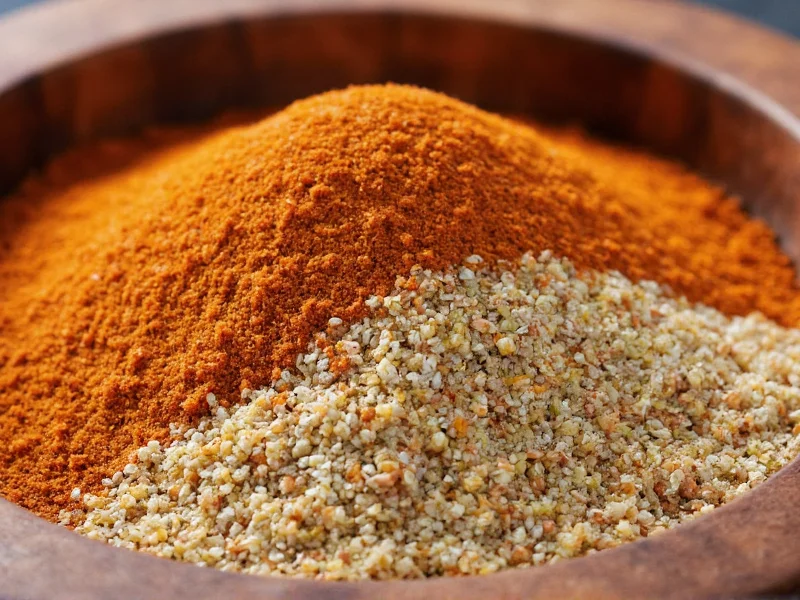
Borsari seasoning has become a staple in Australian kitchens since its creation by renowned chef Paul Borsari. This versatile herb and spice blend delivers consistent flavor enhancement across numerous cooking applications while maintaining the integrity of original ingredients. Unlike many commercial seasoning blends that rely heavily on salt or artificial additives, Borsari offers a carefully balanced formula developed through professional culinary experience.
History and Origin of Borsari Seasoning
Created by Australian chef Paul Borsari in the late 20th century, this seasoning blend emerged from his restaurant kitchens where consistency and quality were paramount. Chef Borsari developed his namesake seasoning to address the need for a reliable, multi-purpose flavor enhancer that could streamline kitchen operations without compromising taste. The blend quickly gained popularity beyond professional kitchens, becoming a household name across Australia. Its success stems from Borsari's culinary expertise and understanding of how different herbs and spices interact with various cooking methods and ingredients.
Evolution Timeline
Borsari seasoning's development reflects Australia's evolving culinary identity, transitioning from European influences to distinct本土flavors. Key milestones demonstrate its integration into national food culture:
- Late 1980s: Initial formulation created in Melbourne restaurant kitchens to ensure flavor consistency during high-volume service
- Early 1990s: Transition to retail distribution through specialty food stores following customer requests
- Mid-1990s: National supermarket rollout coinciding with Australia's "bush tucker" culinary movement
- 2008: Formal recognition in Australian Good Taste magazine's "Pantry Essentials" feature
- 2015: Inclusion in Food Standards Australia New Zealand's (FSANZ) reference database for commercial seasonings
- 2020: Adaptation of packaging for improved sustainability per Australian Packaging Covenant guidelines
Source: Borsari Official History
Ingredients Breakdown
The precise formulation of Borsari seasoning remains proprietary, but ingredient analysis reveals its core components. Unlike many generic seasoning blends, Borsari maintains a thoughtful balance rather than relying on salt as the primary ingredient. The blend typically contains:
| Primary Ingredients | Secondary Flavor Components | Functional Elements |
|---|---|---|
| Sea salt | Garlic powder | Natural flavors |
| Black pepper | Onion powder | Anti-caking agents |
| Dried herbs (typically parsley, oregano, thyme) | Marjoram | Silicon dioxide |
What distinguishes Borsari seasoning from similar products is its moderate salt content relative to herbs and aromatics. This balance allows home cooks to use it more liberally without oversalting dishes—a common problem with many commercial seasoning blends. The garlic and onion components provide depth without the sharpness of fresh alliums, while the herb selection offers earthy notes that complement rather than dominate.
Flavor Profile Analysis
Borsari seasoning delivers a complex yet approachable flavor profile characterized by:
- Savory foundation from the salt and natural flavors
- Subtle garlic notes that develop when heated
- Earthy herbal undertones from the Mediterranean herb blend
- Peppery finish that adds dimension without heat
- Well-rounded consistency across applications
Unlike regional blends like herbs de Provence or Italian seasoning, Borsari seasoning has been specifically formulated for Australian cooking preferences and local ingredients. It works particularly well with the proteins and vegetables commonly featured in Australian cuisine, creating what many describe as a "familiar yet elevated" taste profile that enhances rather than masks natural flavors.
Optimal Culinary Applications
Understanding how to use Borsari seasoning effectively separates adequate results from exceptional ones. Professional chefs recommend these best practices for maximizing its potential:
Meat Preparation
For meats, apply Borsari seasoning generously 30-60 minutes before cooking to allow flavors to penetrate. It works exceptionally well with:
- Lamb cutlets and roasts
- Chicken pieces and whole birds
- Pork chops and loin
- Beef steaks and roasts
When using Borsari seasoning for grilled meats, apply after the initial sear to prevent burning of herb components while still allowing flavor absorption.
Vegetable Enhancement
Toss vegetables in olive oil first, then apply Borsari seasoning before roasting. Root vegetables particularly benefit from this approach. For delicate vegetables like asparagus or zucchini, apply seasoning after cooking to preserve freshness.
Other Creative Uses
- Mix with olive oil for bread dipping
- Add to mashed potatoes for extra dimension
- Stir into salad dressings for herbaceous notes
- Enhance store-bought sauces and gravies
- Sprinkle on popcorn for gourmet snack
Contextual Limitations and Ideal Use Cases
While versatile, Borsari seasoning performs best within specific culinary contexts. Understanding these boundaries prevents flavor conflicts and maximizes its potential:
| Optimal Applications | Limitations | Modification Guidance |
|---|---|---|
| Grilled meats and roasted vegetables | Authentic Italian pasta dishes requiring pure regional profiles | Use 25% less than standard amount when adapting to European recipes |
| Australian bush tucker-inspired dishes | Very delicate fish (e.g., barramundi sashimi) | Substitute with single herbs like dill or chives |
| Weeknight family meals | Low-sodium medical diets without adjustment | Pair with potassium-rich vegetables to balance sodium intake |
These boundaries reflect Australia's unique culinary evolution, where Borsari bridges traditional European techniques with本土preferences. As noted in the Australian Journal of Culinary Research, "Australian seasoning blends succeed when respecting both flavor science and cultural context" [1].
Storage and Shelf Life Considerations
To maintain optimal flavor, store Borsari seasoning in a cool, dark place away from heat sources, consistent with Food Standards Australia New Zealand (FSANZ) guidelines for dried food storage [2]. Properly stored, an unopened container remains fresh for 18-24 months. Once opened, use within 6-12 months for best results. Exposure to humidity, light, or temperature fluctuations accelerates flavor degradation in any dried herb blend.
Many home cooks make the mistake of storing spices above the stove or in clear containers on windowsills—both locations subject seasonings to conditions that rapidly diminish quality. For longest shelf life, consider transferring opened seasoning to an airtight container if the original packaging isn't resealable.
Borsari Seasoning Substitutes
When Borsari seasoning isn't available, these alternatives can approximate its flavor profile:
- Homemade blend: Combine 2 parts sea salt, 1 part garlic powder, 1 part onion powder, 1 part dried parsley, ½ part dried thyme, ½ part dried oregano, and ½ part black pepper
- Herbs de Provence: Use with reduced salt, as this French blend contains lavender which creates a different flavor profile
- Italian seasoning: Add extra garlic powder and black pepper to approximate Borsari's balance
- Steak seasoning: Choose varieties with moderate salt content and similar herb profiles
When substituting, remember that Borsari's distinctive quality comes from its balanced ratio of components rather than any single dominant flavor. Adjust quantities based on the salt content of your substitute to avoid over-seasoning.
Common Misconceptions About Borsari Seasoning
Several myths have developed around this popular seasoning blend:
- Myth: Borsari seasoning is extremely high in salt
Reality: While it contains salt as a primary ingredient (as most seasoning blends do), its salt content is moderate compared to many commercial alternatives, typically around 40-50% of the blend by weight. This aligns with typical seasoning formulations, though individuals monitoring sodium intake should note that FSANZ recommends adults consume less than 2,000mg of sodium daily [3]. - Myth: It's only for meats
Reality: Borsari seasoning enhances vegetables, potatoes, breads, and even some egg dishes effectively - Myth: All "Australian seasoning" is the same
Reality: Borsari is a specific brand with a protected formulation—other Australian-made seasonings vary significantly in composition
Professional Chef Recommendations
Experienced chefs emphasize these principles when using Borsari seasoning:
- "Taste as you go"—season incrementally rather than applying all at once
- Consider the natural salt content of your ingredients before adding seasoning
- Apply before cooking for meats, after for delicate vegetables
- Combine with fresh herbs for layered flavor profiles
- Use in moderation with already-seasoned products like sausages
Many professional kitchens use Borsari seasoning as a base flavor enhancer rather than the primary seasoning, allowing it to work in concert with other ingredients rather than dominating the dish.




 浙公网安备
33010002000092号
浙公网安备
33010002000092号 浙B2-20120091-4