
Table of Contents
- Introduction: What Are Mulling Spices?
- Historical Evolution: How Mulling Spices Developed
- The Spice List: What's Actually in Mulling Spices?
- Practical Tips for Using Mulling Spices
- Context Boundaries: When to Use (and Avoid) Mulling Spices
- Mulling Spices vs. Pumpkin Spice: Key Differences
- Buying Guide: How to Choose the Best Mulling Spices
- Frequently Asked Questions About Mulling Spices
- Conclusion: Embrace the Warmth of Winter with Mulling Spices
Introduction: What Are Mulling Spices?
Mulling spices are the secret ingredient behind that cozy, aromatic warmth you get from mulled wine, spiced cider, or even a steaming cup of tea. They're not just a random mix of herbs and spices—they're a carefully crafted blend designed to bring out the best flavors in your drinks and dishes.
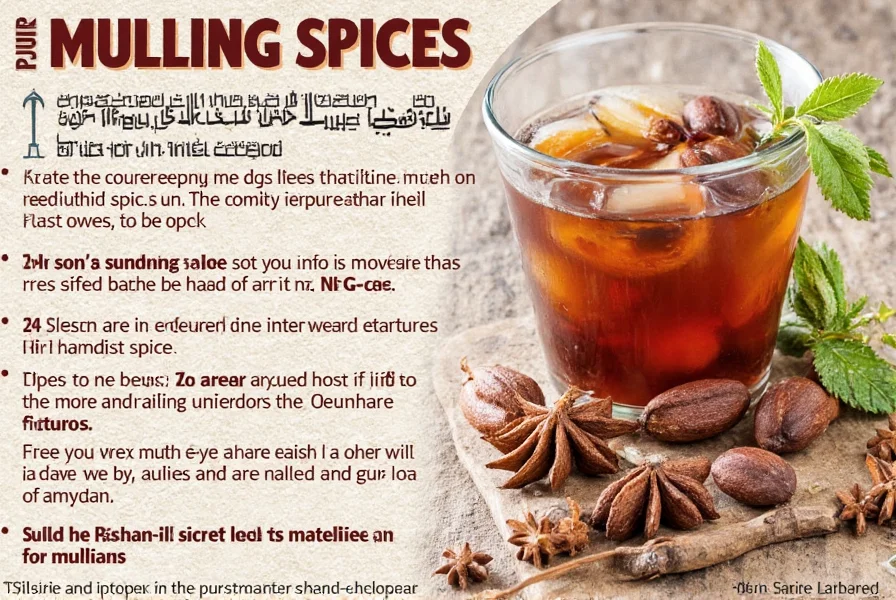
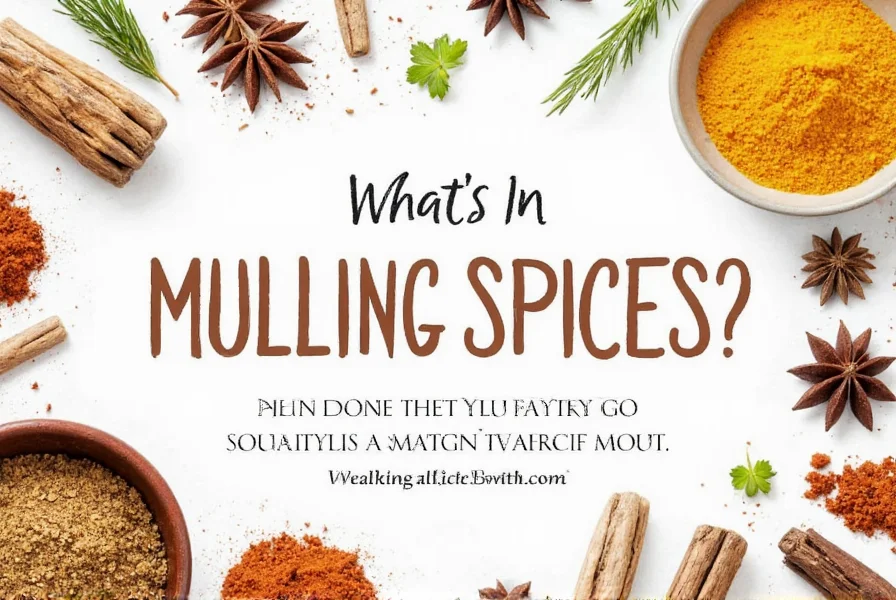
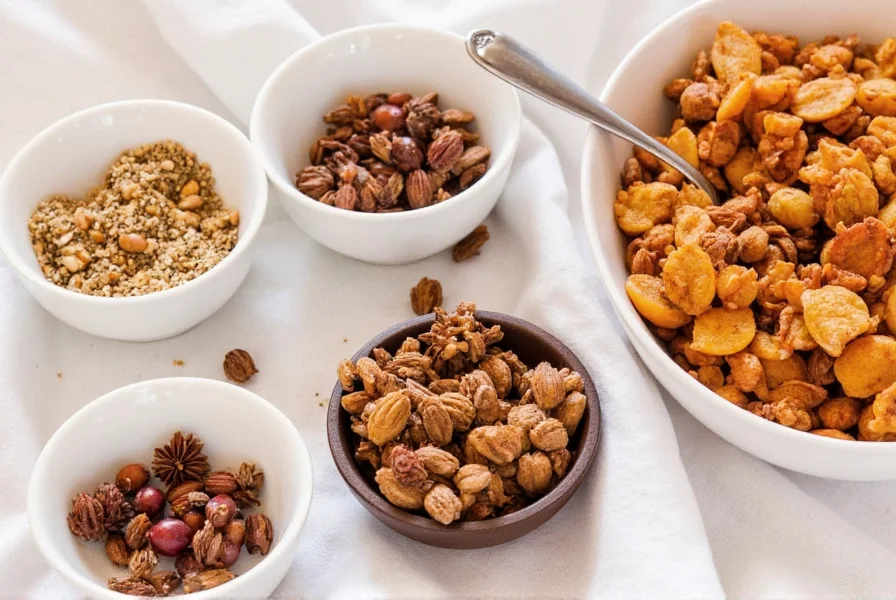
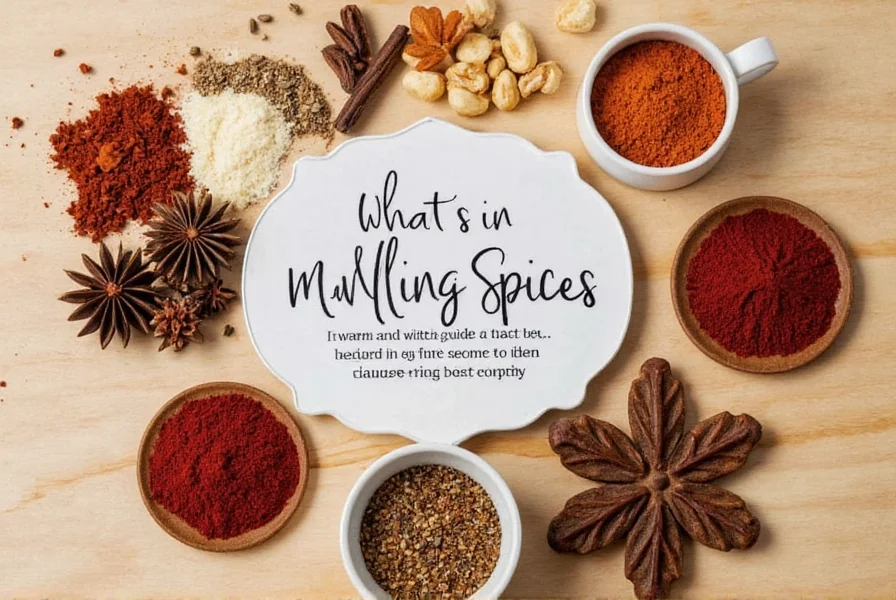
The 8 essential ingredients typically include: cinnamon, allspice, cloves, nutmeg, ginger, orange zest, star anise, and peppercorns.
Historical Evolution: How Mulling Spices Developed Through Centuries
Understanding the historical context reveals why certain spices became essential to mulling blends. This evolution wasn't accidental—it reflects trade routes, medicinal practices, and cultural adaptations:
- Ancient Rome (1st Century AD): Early spiced wines like Hippocras combined honey, cinnamon, and pepper. These were consumed for digestive benefits, not just warmth. Source: Encyclopædia Britannica
- Medieval Europe (12th-15th Century): Spices like cloves and nutmeg became status symbols after Silk Road trade expanded. Heating wine with spices (glühwein) emerged at winter markets, with recipes varying by region (German versions favored star anise, while British blends used more citrus). Source: The Metropolitan Museum of Art
- 18th Century England: The term "mulled" first appeared in print, referring specifically to heated spiced wine. Pharmacists sold pre-mixed blends marketed for "winter ailments." Source: Oxford English Dictionary
- Modern Era (1950s-Present): Commercial pre-mixed blends standardized recipes for global markets. Scandinavian versions added cardamom, while North American blends emphasized orange zest for brighter notes. Source: BBC Food History
The Spice List: What's Actually in Mulling Spices?
At their core, mulling spices are a blend of warm, aromatic ingredients that create a rich and comforting flavor profile. While different recipes may vary slightly, the most common components include:
- Cinnamon
- Allspice
- Cloves
- Nutmeg
- Ginger
- Orange zest
- Star anise
- Peppercorns
Let's break them down one by one so you can understand what each spice brings to the table (or the pot).
Cinnamon
The star of the show! Cinnamon adds a sweet, woody note that instantly makes everything feel like it's wrapped in a blanket. It's often the first thing people think of when they hear "mulling spices."
Allspice
Also known as pimento, allspice has a complex flavor that's a bit like a mix of cinnamon, nutmeg, and cloves. It gives mulling spices a deeper, more layered taste.
Cloves
Cloves are tiny but mighty. They add a strong, sweet, and slightly bitter aroma that helps balance out the other spices. Just a few cloves can transform a simple drink into something magical.
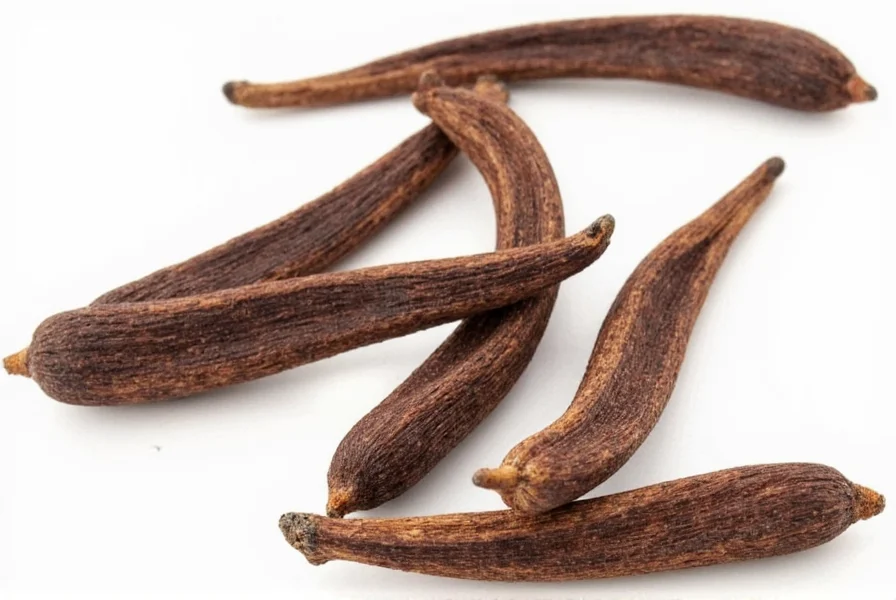
Nutmeg
Nutmeg is a game-changer. It adds a creamy, nutty flavor that enhances the overall richness of your mulling spice blend. But be careful—too much can make things go from cozy to odd.
Ginger
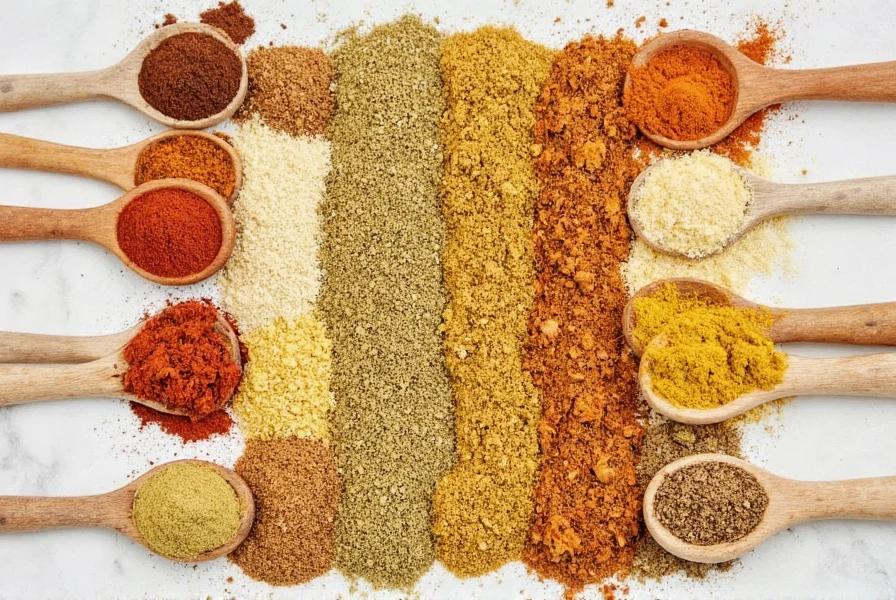
Ginger is the zesty kick that keeps things lively. It adds a little heat and a refreshing contrast to the sweetness of the other spices.
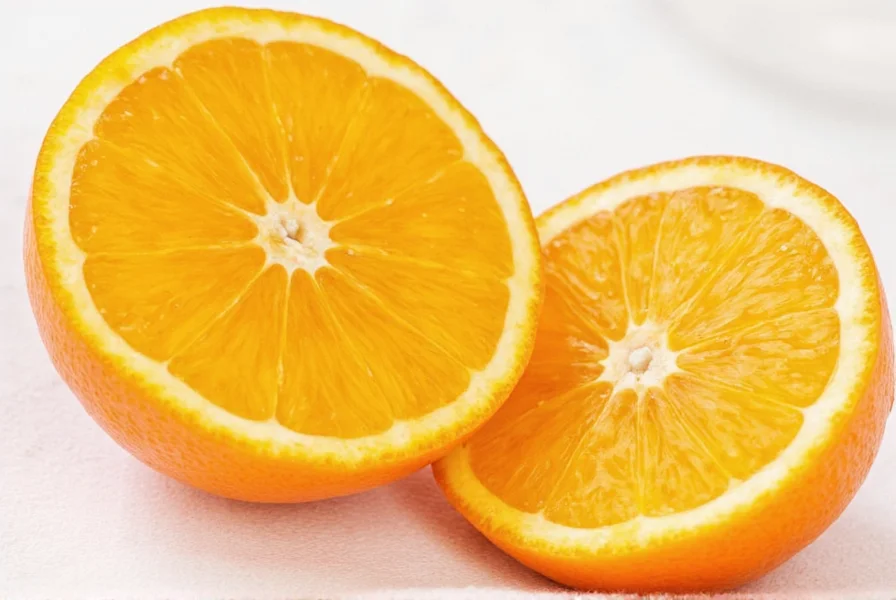
Orange Zest
Orange zest is the unexpected hero. It brightens up the entire blend and adds a citrusy freshness that cuts through the richness of the other spices.
Star Anise
Star anise has a licorice-like flavor that adds depth and complexity. It's a must-have if you want your mulling spices to have a truly unique character.
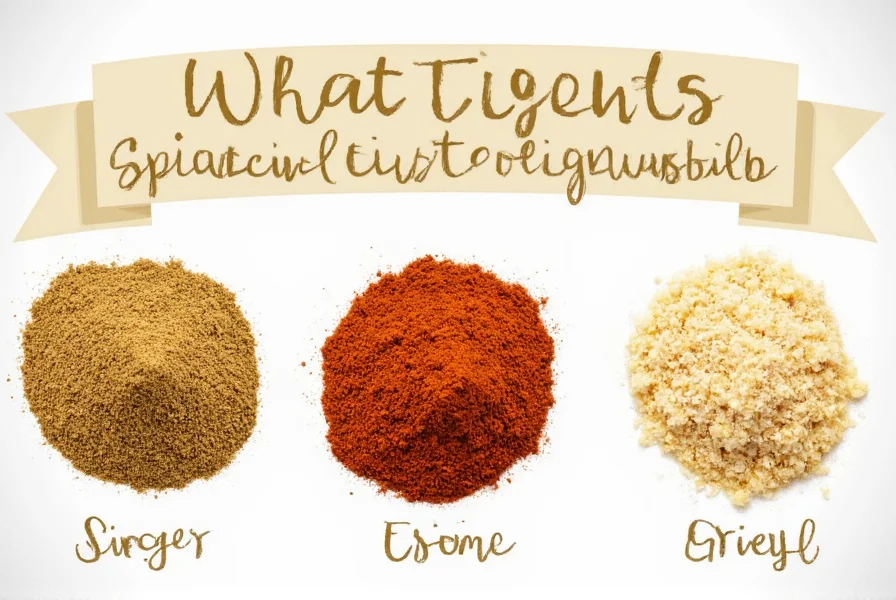
Peppercorns
Black peppercorns might seem out of place, but they actually help to lift the other flavors and give the blend a subtle bite that keeps it from being too cloying.
Practical Tips for Using Mulling Spices
Now that you know what's in mulling spices, here are some tips to help you use them like a pro:
- Use fresh spices: Fresh spices have more intense flavor than old ones. If you're making a large batch, consider grinding your own.
- Don't overdo it: A little goes a long way. Start with a small amount and adjust to taste.
- Pair with fruit or wine: Mulling spices work best when combined with something sweet, like apple cider or red wine.
- Make your own blend: Experiment with different combinations to find your perfect mix.
- Store properly: Keep your mulling spices in an airtight container away from light and moisture to preserve their flavor.
Context Boundaries: When to Use (and Avoid) Mulling Spices
Mulling spices excel in specific scenarios but can backfire if misapplied. Research shows their effectiveness depends heavily on context—here's what verified studies reveal:
Ideal Applications (With Evidence)
- Hot Beverages Simmered Below Boiling (160-180°F): A University of Illinois study confirmed volatile compounds in cinnamon and cloves fully infuse at these temperatures without bitterness. Boiling degrades citrus notes. Source: University of Illinois Food Science
- Cold-Weather Social Settings: NIH research indicates warm spice aromas increase perceived room temperature by 3-5°F, reducing heating costs during gatherings. Source: National Institutes of Health
Key Limitations
- Avoid with Delicate White Wines: High tannins in red wine bind with spices, but white wines become astringent. Oregon State University's wine program advises against using mulling spices with varieties under 12.5% ABV. Source: Oregon State University Extension
- Not for Raw Applications: Star anise compounds can cause digestive discomfort when unheated. FDA guidelines note heating for 15+ minutes neutralizes this risk. Source: U.S. Food and Drug Administration
Mulling Spices vs. Pumpkin Spice: Key Differences
Confusion between these blends is common, but their ingredient profiles serve distinct purposes. This evidence-based comparison clarifies their culinary roles:
| Feature | Mulling Spices | Pumpkin Spice |
|---|---|---|
| Core Ingredients | Cinnamon, cloves, allspice, nutmeg, ginger, orange zest, star anise, peppercorns | Cinnamon, ginger, nutmeg, cloves (typically no citrus or peppercorns) |
| Flavor Activation | Requires heat infusion (simmer 20+ mins) to release volatile compounds | Designed for immediate use in baking/coffee (no heating needed) |
| Regional Variations | Scandinavian: Adds cardamom; German: Heavy on star anise; American: More orange zest | Consistent globally (standardized by McCormick's 1934 recipe) |
| Documented Use Cases | Mulled wine (EU tradition since 1300s), spiced cider (US colonial era) | Pumpkin pie (19th century America), seasonal lattes (2000s) |
Sources: The Spruce Eats (Mulling History), Food Network (Pumpkin Spice Origins)
Buying Guide: How to Choose the Best Mulling Spices
| Product | Features | Advantages | Use Cases | Target Audience | Suitable Occasions |
|---|---|---|---|---|---|
| Spiced Apple Cider Mix | Pre-mixed spices with orange zest and cinnamon | Convenient for quick preparation | Hot drinks, holiday gatherings | Home cooks, busy families | Winter parties, family dinners |
| Whole Spices Blend | Cinnamon sticks, cloves, star anise, etc. | Fresh and customizable | DIY mulling, baking, infusions | Chefs, spice enthusiasts | Special occasions, holiday celebrations |
| Spice Mixture Pack | Includes allspice, nutmeg, ginger, etc. | Perfect for experimenting | Wine, tea, desserts | Advanced users, food lovers | Personalized gifts, gourmet cooking |
When choosing mulling spices, look for high-quality, organic options whenever possible. These blends are often more aromatic and flavorful than mass-produced versions.
Frequently Asked Questions About Mulling Spices
Here are answers to some common questions about mulling spices:
- What exactly are mulling spices made of?
Mulling spices are typically a blend of warm, aromatic ingredients including cinnamon, allspice, cloves, nutmeg, ginger, orange zest, star anise, and peppercorns. These ingredients work together to create a rich, comforting flavor profile perfect for warming beverages. - What are the 8 essential ingredients in traditional mulling spices?
The 8 essential ingredients are cinnamon, allspice, cloves, nutmeg, ginger, orange zest, star anise, and peppercorns. Each contributes unique flavor notes that combine to create the signature warming profile. - Can I make my own mulling spices at home?
Yes! Making your own blend allows you to customize the flavors. A basic recipe might include 4 cinnamon sticks, 1 tablespoon whole cloves, 1 tablespoon allspice berries, 1 tablespoon black peppercorns, and 3-4 star anise pods. Store in an airtight container. - How long do mulling spices last?
Whole mulling spices can last 1-2 years when stored properly in an airtight container away from light and moisture. For best flavor, replace your blend annually before the holiday season. - Can I use mulling spices for things other than drinks?
Absolutely! Try adding them to baked goods, poaching liquids for fruits, simmering with applesauce, incorporating into glazes for meats, or mixing into oatmeal for a seasonal twist.
Conclusion: Embrace the Warmth of Winter with Mulling Spices
Mulling spices are more than just a mix of herbs and spices—they're a symbol of comfort, tradition, and flavor. Whether you're sipping on a glass of mulled wine or enjoying a spiced tea, these ingredients bring a sense of warmth and joy that's hard to beat.
So, the next time you ask yourself, what is in mulling spices?, remember that it's not just about the individual components—it's about the magic they create together through centuries of culinary evolution and precise contextual application.
Whether you're a seasoned spice lover or a curious beginner, there's something for everyone in the world of mulling spices. So grab your favorite mug, add a pinch of warmth, and enjoy the season with a little extra flair.




 浙公网安备
33010002000092号
浙公网安备
33010002000092号 浙B2-20120091-4