
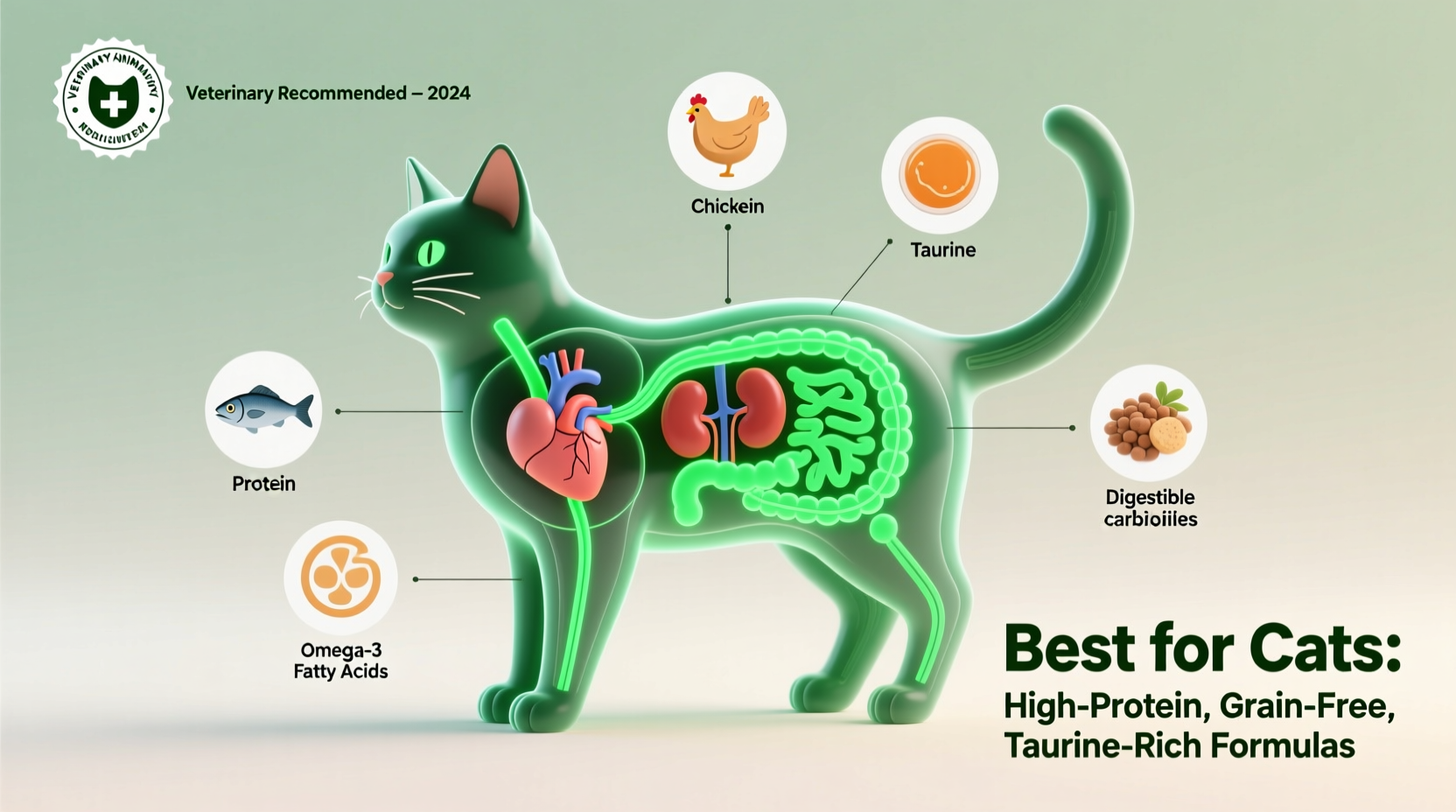
Understanding Your Cat's Biological Needs
As obligate carnivores, cats require nutrients found exclusively in animal tissue. Unlike dogs or humans, felines lack metabolic pathways to convert plant-based nutrients into essential compounds like taurine and arachidonic acid. The National Research Council confirms cats need 2-3 times more protein than dogs, with animal protein comprising at least 90% of their diet for optimal health.
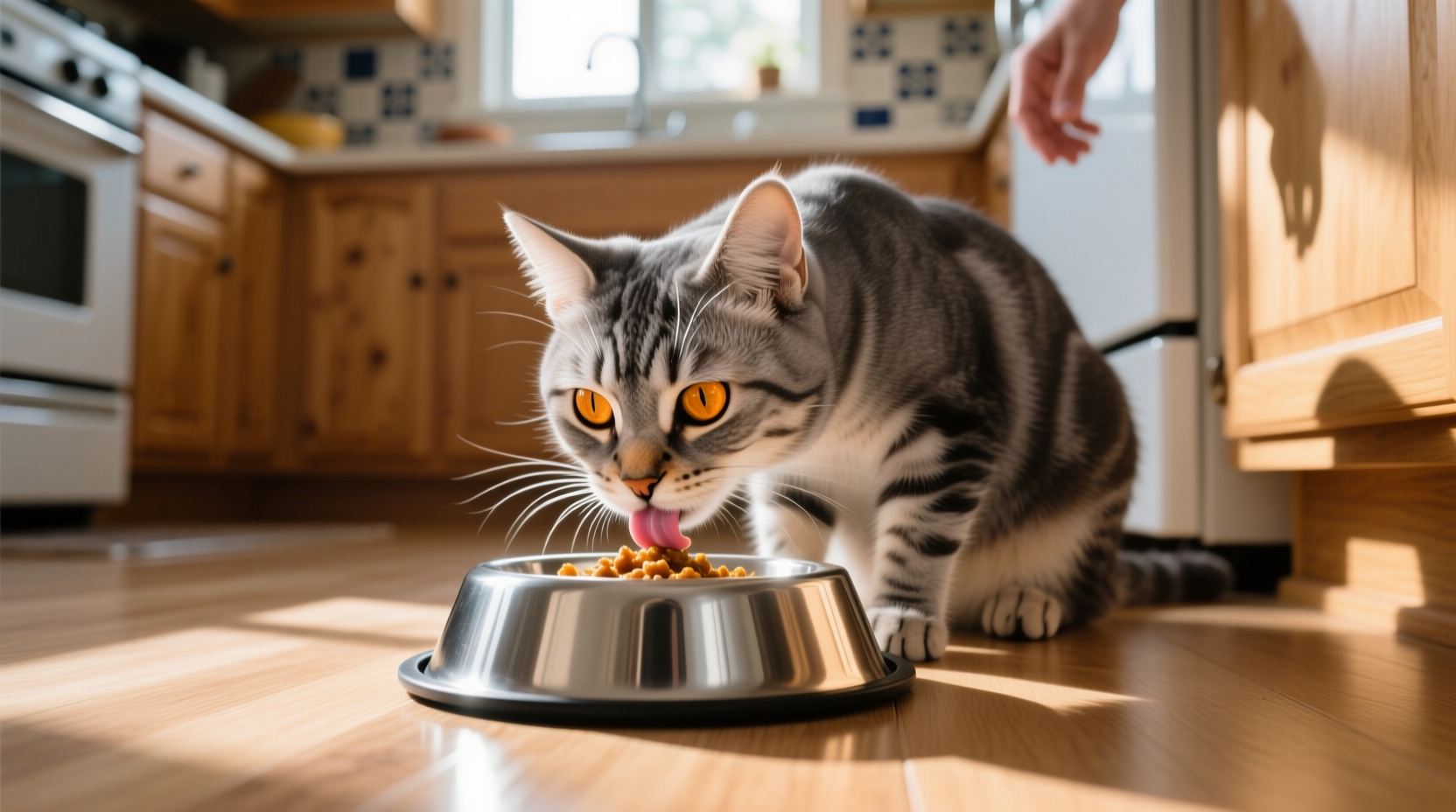
Key Components of Nutritionally Complete Cat Food
When evaluating cat food options, focus on these evidence-based nutritional requirements:
Protein Quality Matters Most
Not all proteins are equal. High-quality cat food uses named animal proteins (chicken, salmon, turkey) as the first ingredient. According to a 2022 Journal of Animal Science study, cats digest animal proteins at 87-92% efficiency versus 76-82% for plant proteins. Look for foods listing specific meat sources rather than vague terms like “meat meal.”
Moisture Content Is Critical
Wild cats get 70-80% of their water from prey. Commercial dry food contains only 5-10% moisture, potentially contributing to chronic dehydration. The American Association of Feline Practitioners recommends wet food for most cats to support kidney and urinary health. For cats eating primarily dry food, consider adding water or broth to reach minimum moisture requirements.
| Food Type | Protein Range | Moisture Content | Best For |
|---|---|---|---|
| Wet Food | 8-12% (as-fed) | 70-80% | All cats, especially seniors and those with urinary issues |
| Dry Food | 30-50% (as-fed) | 5-10% | Active cats needing calorie density |
| Raw Food | 12-15% (as-fed) | 60-70% | Healthy adult cats with no immune issues |
Evolving Understanding of Feline Nutrition
Our knowledge of cat nutrition has significantly advanced over the past century:
- 1930s: Discovery that cats require taurine (initially thought unnecessary)
- 1970s: Recognition that cats cannot synthesize vitamin A from beta-carotene
- 1980s: AAFCO establishes minimum nutrient profiles for commercial pet foods
- 2000s: Research reveals cats' limited carbohydrate metabolism capacity
- 2020s: Focus on species-appropriate moisture levels and protein quality metrics
Reading Cat Food Labels Like a Professional
Marketing claims can be misleading. Focus on these label elements:
AAFCO Statement Verification
Look for “complete and balanced according to AAFCO standards” with life stage specification. The Association of American Feed Control Officials (AAFCO) sets nutritional adequacy standards verified through feeding trials or formulation. Foods without this statement may lack essential nutrients.
Ingredient List Analysis
Ingredients are listed by weight before processing. Be wary of:
- “Meal” without specified source (e.g., “meat meal” vs. “chicken meal”)
- Multiple carbohydrate sources that collectively dominate the list
- Vague terms like “natural flavors” or “by-products”
Special Considerations for Different Life Stages
What works for a kitten may harm a senior cat. Key differences include:
Kittens (Under 1 Year)
Require 30-35% protein and 8-10% fat on dry matter basis. Need higher levels of DHA for brain development. Avoid calorie-restricted formulas.
Adult Cats (1-7 Years)
Need 26-30% protein and 9% fat. Focus on maintaining lean body mass. Consider rotational feeding to prevent nutrient imbalances from single-source diets.
Senior Cats (7+ Years)
Benefit from 28-32% protein to combat sarcopenia, but may need reduced phosphorus if kidney issues exist. Increased fiber often helps with digestion. Consult your veterinarian for customized recommendations.
Practical Buying Guide: Making Informed Choices
Follow these evidence-based steps when selecting cat food:
- Verify AAFCO compliance - Check for complete nutritional statement
- Analyze protein sources - First 3 ingredients should be named animal proteins
- Calculate dry matter basis - Convert wet food percentages for accurate comparison
- Check taurine levels - Should be 0.1-0.2% on dry matter basis
- Consider moisture needs - Most cats benefit from 70%+ moisture content
Remember that dietary transitions should occur gradually over 7-10 days. Sudden changes can cause digestive upset. Monitor your cat's weight, coat condition, and energy levels after switching foods.
When to Consult Your Veterinarian
While general guidelines apply to most cats, certain health conditions require specialized diets:
- Kidney disease: Lower phosphorus, controlled protein
- Urinary issues: Higher moisture, specific pH balance
- Diabetes: High protein, low carbohydrate
- Food allergies: Hydrolyzed protein or novel protein sources
Always discuss dietary changes with your veterinarian, especially for cats with existing health conditions. They can recommend therapeutic diets when necessary and help interpret nutritional labels.




 浙公网安备
33010002000092号
浙公网安备
33010002000092号 浙B2-20120091-4