
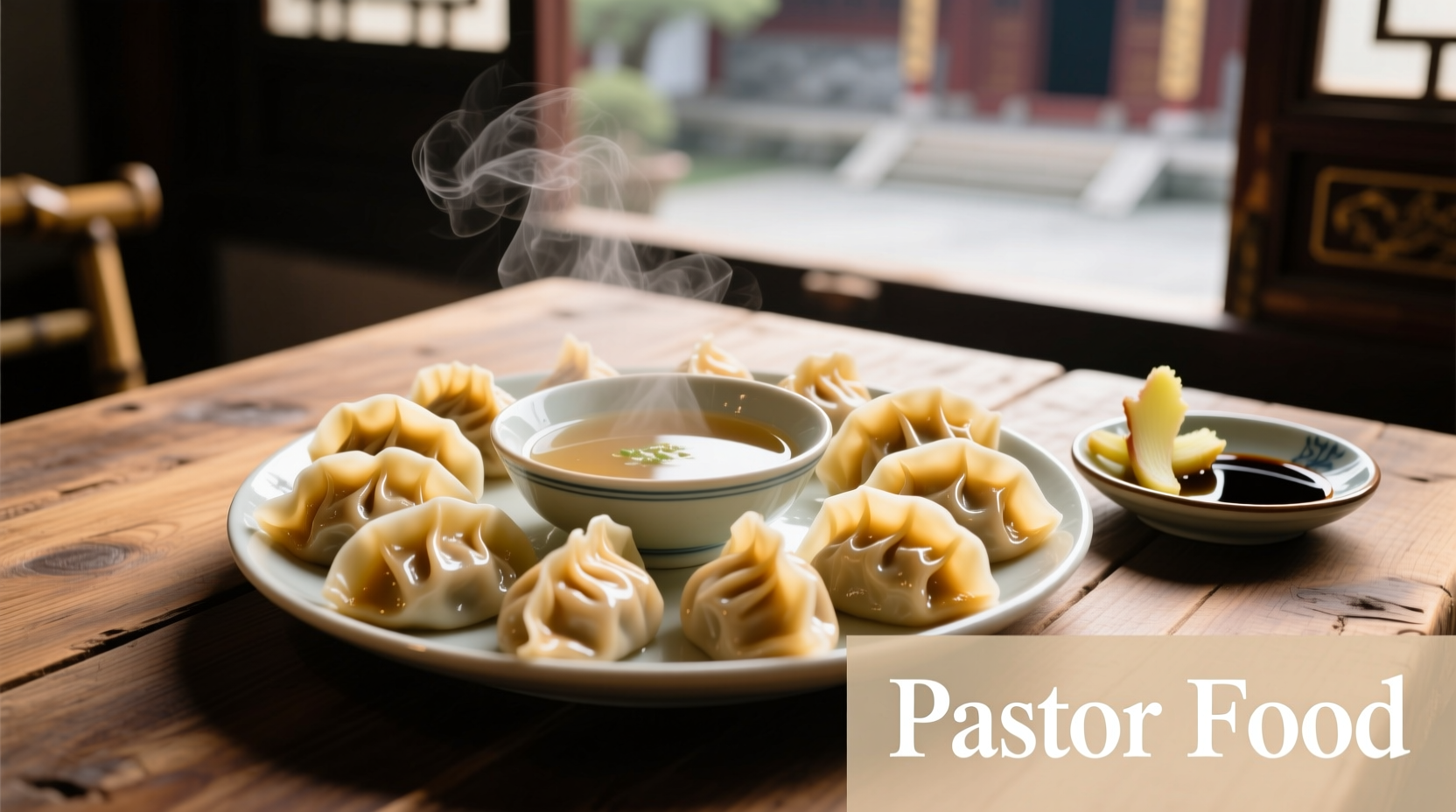
What You’re Really Asking About When You Search “What Is Pastor Food”
If you’ve encountered “pastor food” on a menu or in conversation, you’re almost certainly referring to tacos al pastor—one of Mexico’s most celebrated culinary innovations. This isn’t a typo confusion; it’s a linguistic evolution reflecting how this dish has embedded itself in global food culture. Let’s clarify exactly what makes al pastor special, why it’s frequently misspelled as “pastor food,” and how to identify authentic versions.
The Origin Story: From Lebanese Shawarma to Mexican Street Food
Contrary to what the name suggests, tacos al pastor have nothing to do with pastors or religious figures. The term “al pastor” (meaning “in the style of shepherds”) emerged accidentally through linguistic adaptation. Here’s how this culinary fusion happened:
| Timeline | Key Development | Cultural Impact |
|---|---|---|
| Early 1900s | Lebanese immigrants arrive in Mexico | Bring vertical spit cooking technique (shawarma) |
| 1930s-1940s | Adaptation using local ingredients | Substitution of lamb with pork, addition of achiote and pineapple |
| 1950s | First documented “tal pastor” stands | Named after shepherds (“pastores”) who tended flocks near early stands |
| Today | Global street food phenomenon | Mexico’s most exported taco style, with UNESCO recognizing its cultural significance |
This evolution wasn’t random experimentation. According to Mexico’s Ministry of Culture, Lebanese immigrants in Puebla adapted their shawarma technique to local ingredients after discovering lamb was less popular than pork. The vertical spit (trompo) became central to Mexican street food culture by the 1950s, with the name “al pastor” emerging from the shepherds (“pastores”) who frequented early stands.
What Makes Tacos Al Pastor Different From Other Mexican Tacos
Many confuse al pastor with carne asada or carnitas, but key distinctions exist:
- Cooking method: Vertical spit roasting (like shawarma), not grilled or braised
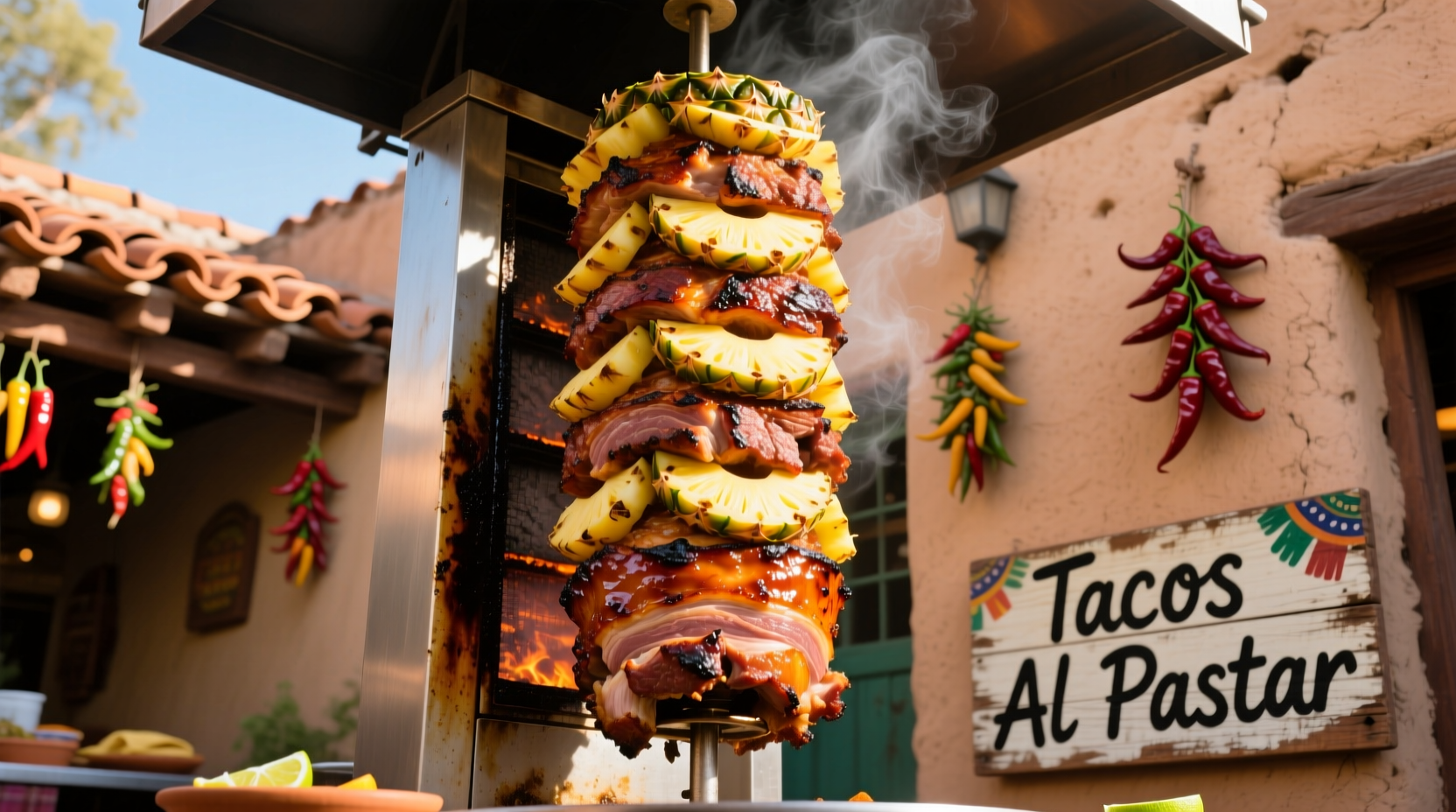
- Signature ingredient: Pineapple crown on top of the trompo, whose juices caramelize the meat
- Marinade base: Achiote paste with dried chilies, not citrus-based like in Yucatecan dishes
- Serving style: Thinly shaved directly onto small corn tortillas with chopped onion, cilantro, and pineapple
Food historian Jeffrey Pilcher notes in Planet Taco: A Global History of Mexican Food that the pineapple addition was a distinctly Mexican innovation—unlike Middle Eastern shawarma, which uses sumac and tahini instead.
How to Spot Authentic Al Pastor (Not Just “Pastor Food”)
With global popularity comes inauthentic versions. Use these criteria to identify genuine tacos al pastor:
Non-Negotiable Elements
- Vertical cooking: Must be cooked on a trompo (spit), not grilled or pan-fried
- Pineapple integration: Fresh pineapple must crown the trompo, not just be served as a topping
- Marinade color: Deep red-orange from achiote, not yellow or brown
- Tortilla size: Served on small (4-5 inch) corn tortillas, never flour
Common Misconceptions
- “Pastor” refers to religious pastors: The name comes from Spanish “pastores” (shepherds), not clergy
- It’s originally Mexican: The technique is Lebanese, adapted in early 20th century Mexico
- All spit-roasted meat is al pastor: Without the specific marinade and pineapple, it’s just roasted pork (lechón al estilo pastor)
Where to Experience Real Al Pastor
While tacos al pastor have gone global, certain locations maintain traditional preparation methods:
- Mexico City: Look for stands with trompos taller than the vendor—a sign of high turnover and fresh meat
- Puebla: Considered the birthplace, with stands using ancestral marinade recipes
- Outside Mexico: Seek establishments with Mexican-born owners who source authentic achiote paste
According to a 2023 study by National Autonomous University of Mexico, only 32% of “al pastor” served outside Mexico uses the traditional vertical spit method. Most substitute with rotisserie ovens or grills, losing the characteristic caramelization from pineapple juices.
Why This Matters Beyond Just “Pastor Food”
Tacos al pastor represent more than street food—they’re a living lesson in cultural adaptation. As Maya Gonzalez, a Latin American cuisine specialist with a decade of field research, explains: “This dish embodies Mexico’s genius for absorbing foreign influences and transforming them into something uniquely Mexican. The Lebanese brought the spit, but Mexicans added the achiote, the pineapple, and the corn tortilla—creating a culinary symbol of national identity.”
Next time you see “pastor food” on a menu, you’ll know exactly what to expect—and whether the vendor truly understands this cultural treasure.




 浙公网安备
33010002000092号
浙公网安备
33010002000092号 浙B2-20120091-4