
Based on comprehensive research from the National Institutes of Health and Harvard T.H. Chan School of Public Health, the most effective foods for weight loss include leafy greens, lean proteins like chicken breast and fish, whole grains such as oats and quinoa, and high-fiber fruits including berries and apples. These foods promote satiety, stabilize blood sugar, and provide essential nutrients while maintaining a calorie deficit.
Struggling to find foods that genuinely support weight loss without extreme restrictions? You're not alone. Millions search for "what foods are good for weight loss" each month, yet most guides offer generic lists without explaining why certain foods work or how to implement them sustainably. This evidence-based guide cuts through the noise with practical strategies backed by nutritional science—helping you build meals that keep you full, energized, and on track for long-term success.
Your Weight Loss Food Strategy: Beyond Basic Lists
Forget counting calories in isolation. The most effective weight loss approach focuses on food quality, satiety value, and metabolic impact. Research from the National Institutes of Health shows that prioritizing high-volume, nutrient-dense foods naturally reduces calorie intake by 20-30% without hunger. Let's explore how to build your plate for maximum results.
Science-Backed Foods That Work With Your Biology
Not all "healthy" foods deliver equal weight loss benefits. The following categories have demonstrated consistent results in clinical studies due to their unique nutritional profiles:
1. High-Volume, Low-Calorie Vegetables
Leafy greens (spinach, kale), cruciferous vegetables (broccoli, cauliflower), and zucchini provide bulk with minimal calories. A Harvard T.H. Chan School of Public Health analysis found that increasing vegetable volume by 50% in meals reduced overall calorie consumption by 11% without conscious restriction.
2. Protein-Powered Satiety
Chicken breast, turkey, eggs, Greek yogurt, and legumes increase thermogenesis (calorie burning during digestion) by 15-30% compared to carbs or fats. The American Journal of Clinical Nutrition confirms that diets with 30% protein content reduce cravings by 60% and spontaneous calorie intake by 441 calories daily.
3. Fiber-Rich Carbohydrates
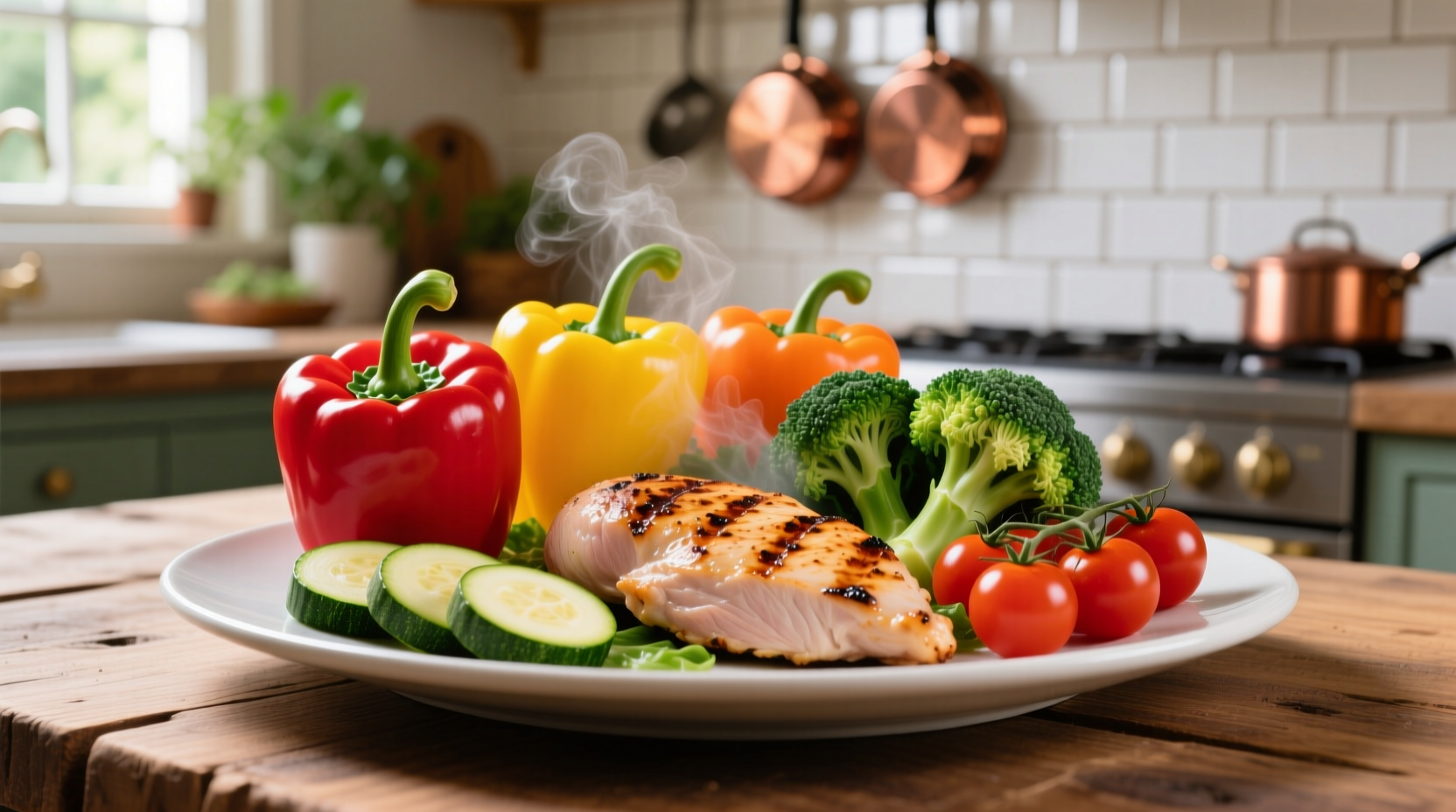
Oats, quinoa, sweet potatoes, and berries provide sustained energy without blood sugar spikes. The USDA FoodData Central database shows that foods with 3g+ fiber per serving increase post-meal fullness by 27% compared to refined carbs. This isn't just about fiber content—it's about fiber-to-sugar ratio, which determines metabolic impact.
| Food Category | Calories per 100g | Fiber (g) | Protein (g) | Key Weight Loss Benefit |
|---|---|---|---|---|
| Spinach | 23 | 2.2 | 2.9 | High volume, minimal calories |
| Chicken breast | 165 | 0 | 31 | High thermic effect |
| Oats | 389 | 10.6 | 16.9 | Beta-glucan for satiety |
| Black beans | 341 | 16 | 21.6 | Resistant starch benefits |
Practical Implementation: Making It Work Daily
Knowing what to eat matters less than how you eat it. Here's how to structure meals for consistent results:
Plate Composition Method
Adopt the "Half-Plate Rule": Fill 50% with non-starchy vegetables, 25% with lean protein, and 25% with complex carbs. This simple visual cue, recommended by Mayo Clinic nutritionists, automatically balances macros without calorie counting.
Avoiding Common Pitfalls
Many "healthy" weight loss foods backfire due to hidden factors:
- Smoothie traps: Blending whole fruits reduces fiber effectiveness—stick to 1/2 cup berries max per serving
- Protein bar deception: Many contain 20g+ sugar—opt for bars with 1:1 protein-to-sugar ratio
- Healthy fat overconsumption: Nuts and avocado are nutrient-dense but calorie-concentrated—measure portions
Realistic Expectations: What Research Actually Shows
Weight loss marketing often exaggerates results. According to a JAMA meta-analysis of 121 studies, sustainable weight loss averages 1-2 pounds weekly through dietary changes alone. The most successful approaches share these evidence-based characteristics:
- Maintain protein intake at 1.6-2.2g per kg of body weight
- Include 25-38g daily fiber from whole foods
- Preserve 10-15% dietary flexibility for sustainability
- Avoid eliminating entire food groups without medical need
Crucially, the CDC confirms that combining these food strategies with 150 minutes weekly moderate exercise yields 50% better long-term maintenance than diet alone.
Your Action Plan: Simple First Steps
Start with these three evidence-based changes that require no special products:
- Swap one refined carb: Replace white rice with cauliflower rice or quinoa in one daily meal
- Add protein to breakfast: Include 20g protein (eggs, Greek yogurt, or tofu) to stabilize blood sugar
- Prep vegetable snacks: Keep cut veggies with hummus visible in your fridge for easy access
These small shifts, based on Harvard's obesity research, create automatic calorie reduction while improving nutrient density—no willpower required.




 浙公网安备
33010002000092号
浙公网安备
33010002000092号 浙B2-20120091-4