
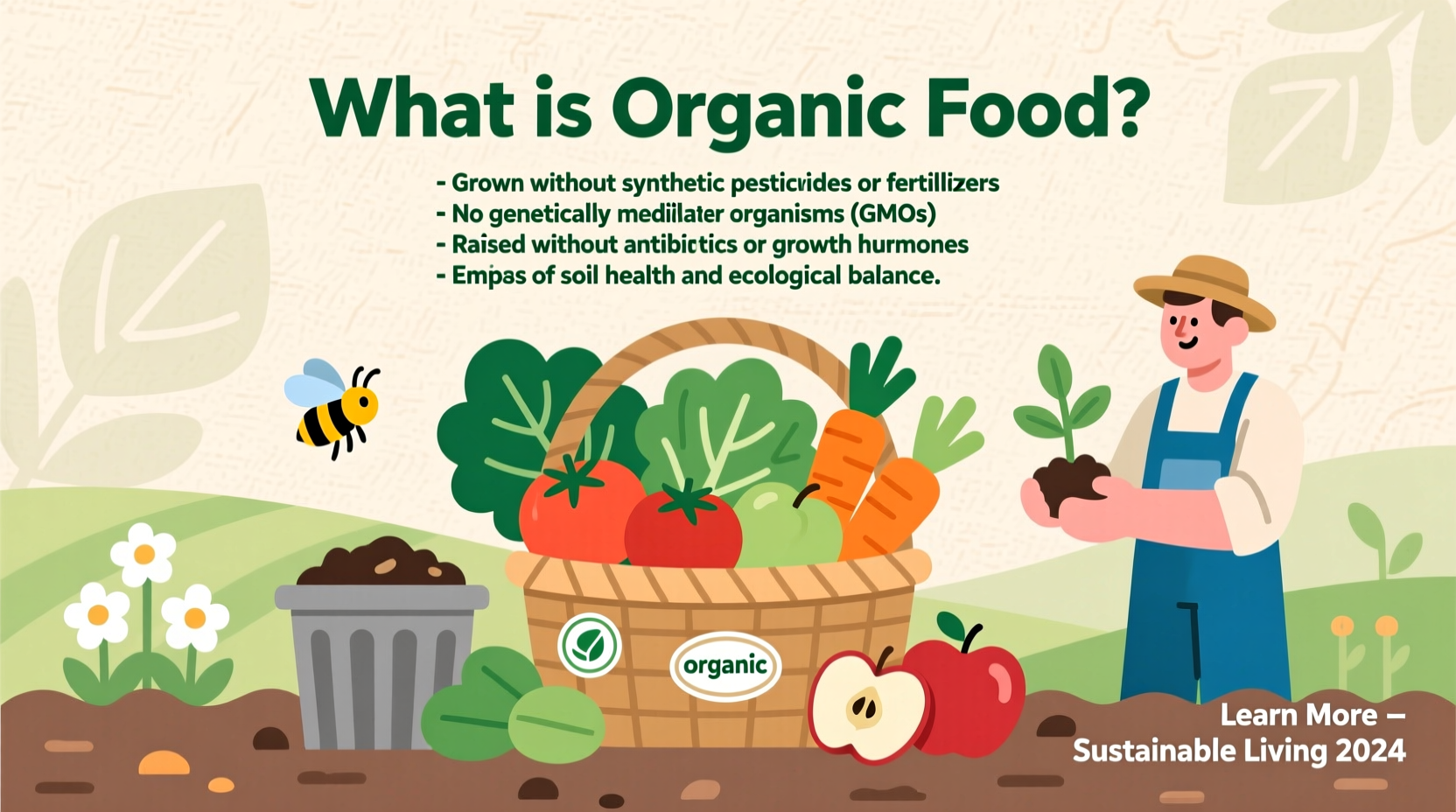
Ever wonder what "organic" really means when you're shopping? You're not alone. With confusing labels and marketing claims, understanding what qualifies as organic food can feel overwhelming. This guide cuts through the noise with science-backed facts and practical insights to help you make informed choices about organic products.
The True Definition of Organic Food
Organic food isn't just "pesticide-free"—it's a comprehensive production system regulated by strict government standards. In the United States, the USDA National Organic Program defines organic agriculture as a production system that responds to site-specific conditions by integrating cultural, biological, and mechanical practices that foster cycling of resources, promote ecological balance, and conserve biodiversity.
For a product to carry the official USDA Organic seal, it must contain at least 95% organic ingredients and be certified by a USDA-accredited agency. Products labeled "100% Organic" must contain only organically produced ingredients.
How Organic Certification Actually Works
The organic certification process involves rigorous standards that go beyond just avoiding synthetic chemicals:
- Soil health management - Organic farmers must maintain or improve soil fertility through crop rotation, cover cropping, and composting
- Biodiversity promotion - Farms must implement practices that support wildlife habitats and diverse plant species
- No prohibited substances - Synthetic pesticides, herbicides, and fertilizers are banned; only approved natural substances can be used
- Record keeping - Detailed documentation of all farming practices for traceability
- Annual inspections - Certified inspectors verify compliance with organic standards
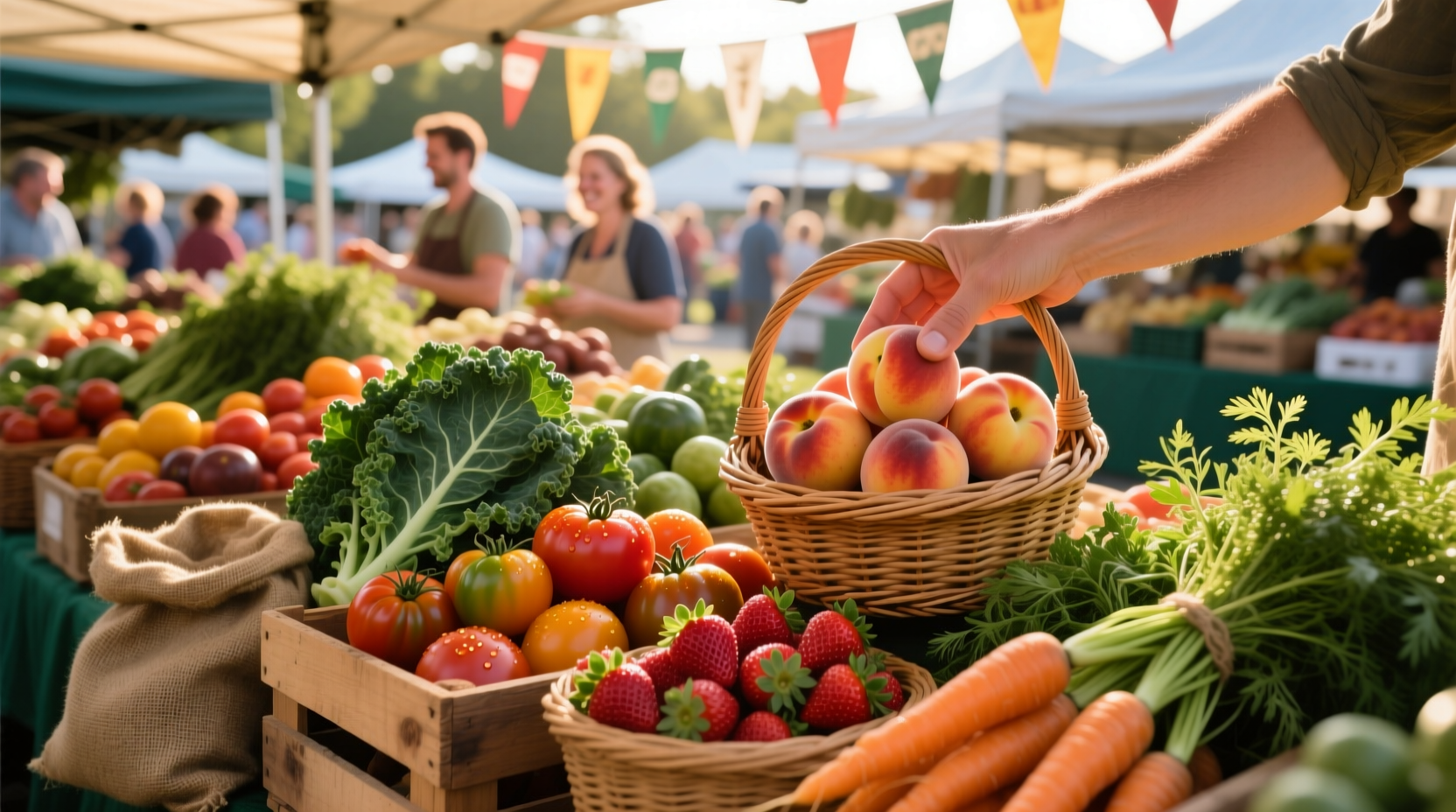
Organic Food Evolution Timeline
Understanding the historical context helps clarify why organic standards exist today:
| Year | Milestone | Significance |
|---|---|---|
| 1940s | Chemical agriculture boom | Synthetic pesticides and fertilizers became widespread after WWII |
| 1972 | Organic Farming Research Foundation established | First major organization dedicated to organic farming research |
| 1990 | Organic Foods Production Act passed | Mandated national organic standards in the US |
| 2000 | USDA National Organic Program proposed | First unified federal organic standards |
| 2002 | USDA Organic seal introduced | Official certification mark launched |
| 2022 | Strengthening Organic Enforcement rule | Enhanced oversight and stricter enforcement |
Organic vs. Conventional: Key Differences
Many consumers assume organic simply means "no pesticides," but the differences run much deeper:
| Aspect | Organic | Conventional |
|---|---|---|
| Pesticide use | Natural pesticides only (limited use) | Synthetic pesticides permitted |
| Fertilizers | Compost, manure, cover crops | Synthetic nitrogen fertilizers |
| GMOs | Prohibited | Widely used |
| Antibiotics | Prohibited in livestock | Routinely used for growth/promotion |
| Soil management | Required crop rotation, cover crops | No specific requirements |
| Animal welfare | Access to outdoors, pasture requirements | Limited requirements |
When Organic Matters Most: Context Boundaries
Not all organic products deliver equal benefits. Research shows certain categories provide more significant advantages:
- High-impact produce - The Environmental Working Group's Dirty Dozen identifies conventionally grown strawberries, spinach, and kale as having highest pesticide residues
- Animal products - Organic meat and dairy avoid antibiotics and growth hormones, with studies showing higher levels of beneficial omega-3 fatty acids
- Processed foods - Organic processed items avoid artificial preservatives, colors, and flavors permitted in conventional products
However, organic doesn't automatically mean more nutritious. A comprehensive Stanford University meta-analysis found minimal nutritional differences between organic and conventional produce, though organic options showed significantly lower pesticide residues.
Practical Shopping Guide for Organic Products
Navigating organic labels requires understanding the certification system:
- USDA Organic seal - Guarantees 95%+ organic content with certified production practices
- "100% Organic" - Contains only organically produced ingredients
- "Made with Organic Ingredients" - Contains 70-95% organic ingredients
- No certification - "Natural" or "Eco-friendly" claims have no regulatory meaning
For budget-conscious shoppers, prioritize organic versions of the Environmental Working Group's Dirty Dozen list while conventional versions of the Clean Fifteen (avocados, sweet corn, pineapple) typically have minimal pesticide residues.
Debunking Common Organic Food Myths
Let's address some persistent misconceptions:
- Myth: Organic means completely pesticide-free
Reality: Organic farming uses natural pesticides like copper sulfate and pyrethrin, though restrictions limit their application.
- Myth: Organic farming can't feed the world
Reality: Research from Rodale Institute's Farming Systems Trial shows organic yields match conventional in normal years and outperform during droughts.
- Myth: Organic is just a marketing gimmick
Reality: The USDA organic certification involves rigorous inspections and documentation requirements with legal consequences for fraud.
Your Organic Food Questions Answered
Understanding organic food helps you make informed choices that align with your values and budget:
- Organic certification ensures specific production standards, not automatic nutritional superiority
- The environmental benefits of organic farming include improved soil health and reduced chemical runoff
- Price differences reflect higher labor costs and certification expenses for organic producers
- Organic farming supports biodiversity and reduces farmers' exposure to toxic chemicals




 浙公网安备
33010002000092号
浙公网安备
33010002000092号 浙B2-20120091-4