
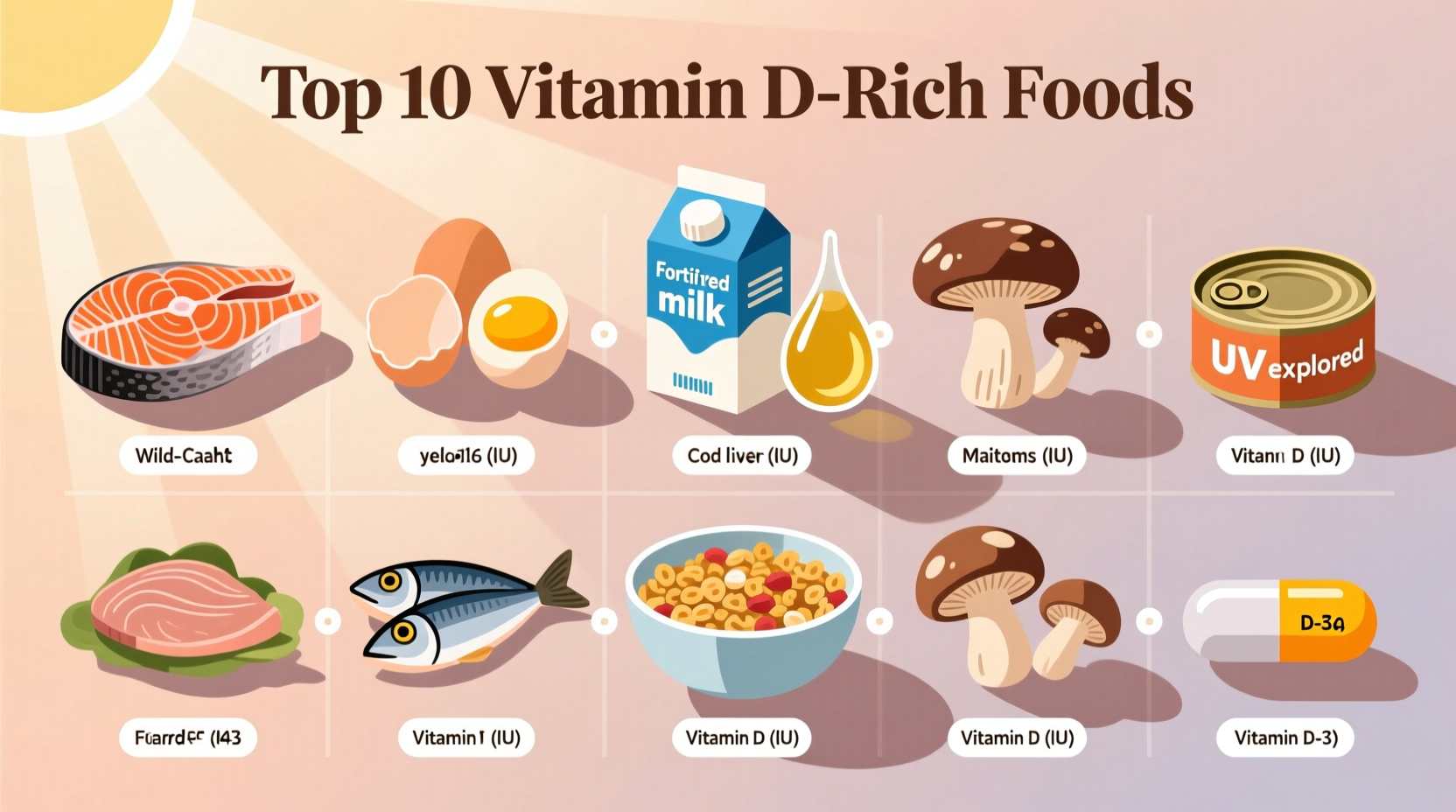
The top natural food sources of vitamin D include fatty fish like salmon (447 IU per 3 oz), mackerel (306 IU), and sardines (164 IU). Fortified foods such as milk (115-124 IU per cup), orange juice, and breakfast cereals also provide significant amounts. Other valuable sources include egg yolks (41 IU), UV-exposed mushrooms (up to 2,300 IU), and cod liver oil (1,360 IU per tablespoon). For optimal absorption, consume these foods with healthy fats as vitamin D is fat-soluble.
Understanding which foods deliver adequate vitamin D is crucial for maintaining strong bones, supporting immune function, and preventing deficiency-related health issues. With increasing numbers of people spending more time indoors and using sunscreen regularly, dietary sources have become essential for meeting daily requirements. This comprehensive guide provides evidence-based information about the most effective food sources to help you make informed dietary choices.
Why Vitamin D Matters More Than You Think
Vitamin D isn't just about bone health—it's a critical nutrient that regulates calcium absorption, supports immune system function, and influences hundreds of genes in your body. According to the National Institutes of Health, adults aged 19-70 need 600 IU (15 mcg) daily, while those over 70 require 800 IU (20 mcg). Alarmingly, research published in the Journal of Clinical Endocrinology & Metabolism shows that 41.6% of American adults have vitamin D deficiency, with higher rates among certain demographic groups.
Common signs of deficiency include fatigue, bone pain, muscle weakness, and frequent infections. Left unaddressed, chronic deficiency can lead to serious health complications including osteoporosis, cardiovascular issues, and compromised immune function.
Your Complete Vitamin D Foods Guide
When building your vitamin D-rich diet, understanding the actual content in different foods helps you make strategic choices. The following table provides verified vitamin D measurements from the USDA FoodData Central database:
| Food Source | Serving Size | Vitamin D (IU) | Vitamin D (mcg) |
|---|---|---|---|
| Cod liver oil | 1 tablespoon | 1,360 | 34 |
| Wild-caught salmon | 3 ounces | 570 | 14.2 |
| Farmed salmon | 3 ounces | 250 | 6.3 |
| Mackerel | 3 ounces | 306 | 7.6 |
| Sardines (canned) | 3 ounces | 164 | 4.1 |
| Fortified milk | 1 cup | 115-124 | 2.9-3.1 |
| Fortified orange juice | 1 cup | 100 | 2.5 |
| Egg yolk | 1 large | 41 | 1.0 |
| UV-exposed mushrooms | 3 ounces | Up to 2,300 | Up to 57.5 |
Fatty Fish: Nature's Most Potent Vitamin D Source
Fatty fish stand out as the most reliable natural food source of vitamin D. Wild-caught salmon contains significantly more vitamin D than farmed varieties due to their natural diet and lifestyle. The National Health and Nutrition Examination Survey consistently shows that individuals who consume fatty fish at least twice weekly maintain healthier vitamin D levels.
When selecting fish, prioritize wild-caught options when possible, as they typically contain higher nutrient density. Proper cooking methods matter too—baking or grilling preserves more nutrients than frying. Aim for two 3-ounce servings of fatty fish weekly to significantly boost your vitamin D intake.
Fortified Foods: Practical Daily Options
For those who don't regularly consume fish, fortified foods provide accessible alternatives. In the United States, most milk products are fortified with vitamin D, though interestingly, plant-based milk alternatives aren't always fortified to the same standard—always check labels. The fortification process began in the 1930s as a public health measure to combat rickets, and it remains one of the most successful nutritional interventions in history.
Breakfast cereals often contain added vitamin D, but amounts vary widely between brands. Choose whole-grain options fortified with vitamin D and pair them with fortified milk for a nutrient-dense morning meal. Orange juice fortified with vitamin D offers a convenient option for those avoiding dairy.
Mushrooms: The Surprising Plant-Based Powerhouse
Mushrooms represent the only significant plant-based source of vitamin D, but with an important caveat—they must be exposed to UV light either naturally or artificially. When mushrooms receive UV exposure, they convert ergosterol to vitamin D2. Some specialty grocery stores now carry UV-exposed mushrooms specifically marketed for their high vitamin D content.
A study published in The American Journal of Clinical Nutrition demonstrated that consuming UV-exposed mushrooms can effectively raise blood levels of vitamin D comparable to taking supplements. For vegetarians and vegans, this represents a valuable dietary strategy.
Maximizing Vitamin D Absorption from Food
Vitamin D is fat-soluble, meaning your body absorbs it best when consumed with dietary fat. Pair vitamin D-rich foods with healthy fats like olive oil, avocado, or nuts to significantly enhance absorption. Research from the Journal of Steroid Biochemistry and Molecular Biology shows that taking vitamin D with a high-fat meal can increase absorption by up to 32%.
Avoid consuming vitamin D foods with mineral oil or certain weight-loss medications that block fat absorption, as these can interfere with vitamin D uptake. Additionally, maintaining adequate magnesium levels supports vitamin D metabolism—consider pairing vitamin D foods with magnesium-rich options like leafy greens and nuts.
Dietary Considerations for Special Populations
Certain groups face unique challenges in obtaining sufficient vitamin D through diet alone:
- Vegans: Rely on UV-exposed mushrooms and fortified plant milks, but may need supplementation
- Older adults: Skin becomes less efficient at producing vitamin D with age, making dietary sources more critical
- People with darker skin: Higher melanin levels reduce vitamin D synthesis from sunlight exposure
- Those with malabsorption conditions: Crohn's disease, celiac disease, or gastric bypass surgery may require higher intake
Seasonal variations also impact dietary needs—during winter months in northern latitudes, dietary sources become especially important as sunlight exposure decreases. The UK National Health Service recommends considering supplementation from October through March for residents above the 37th parallel.
When Food Isn't Enough: Knowing Your Options
While food sources are ideal, some individuals may need supplementation to reach adequate levels. If you're concerned about deficiency, consult your healthcare provider about testing your blood levels. The Endocrine Society defines deficiency as serum levels below 20 ng/mL, with insufficiency between 21-29 ng/mL.
Supplements come in two forms—D2 (ergocalciferol) from plant sources and D3 (cholecalciferol) from animal sources. Research suggests D3 may be more effective at raising and maintaining blood levels. Always discuss supplementation with your healthcare provider, especially if you have medical conditions or take medications that might interact.
Building Your Vitamin D-Rich Meal Plan
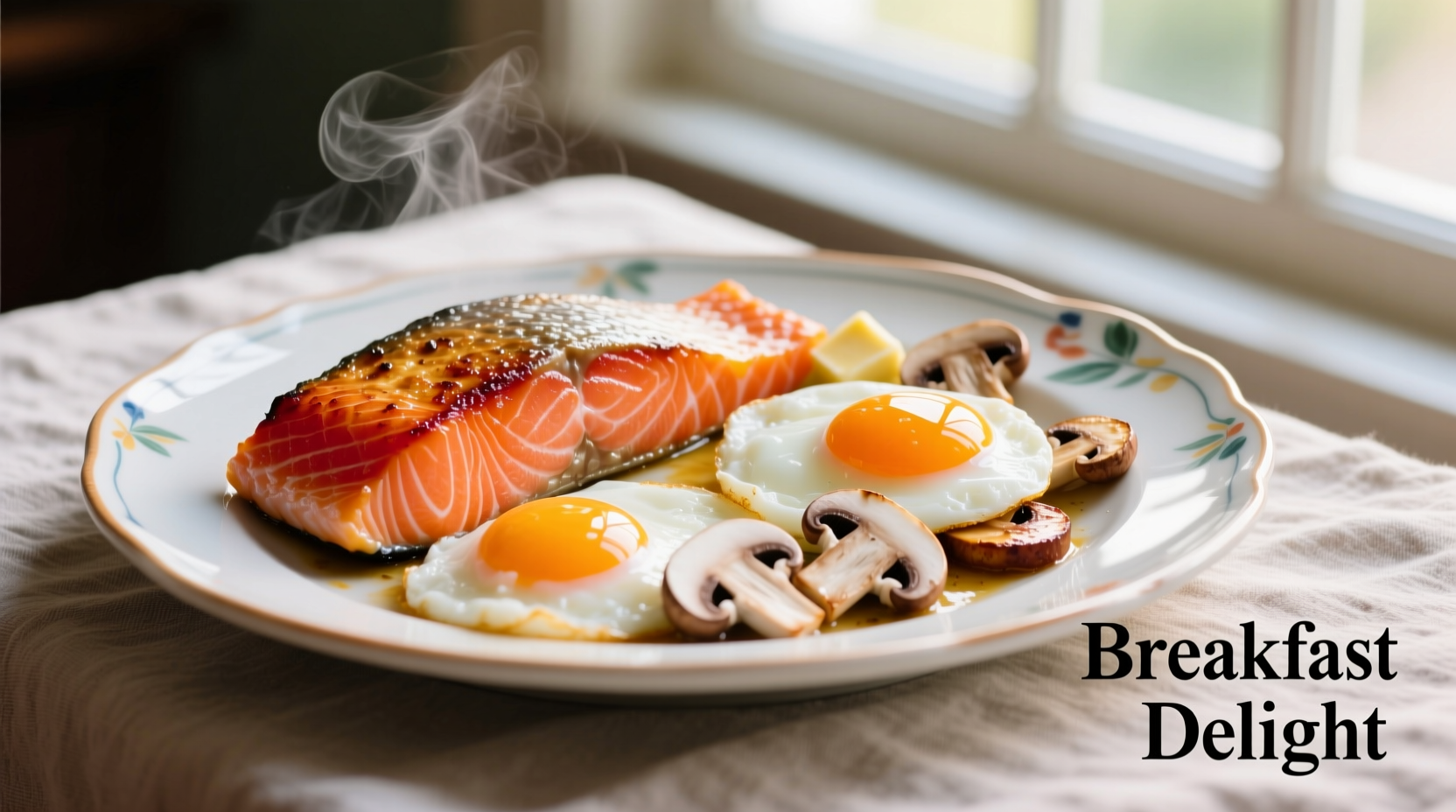
Creating practical meal strategies makes incorporating vitamin D foods sustainable. Start your day with fortified cereal and milk, include a lunch salad with UV-exposed mushrooms, and feature fatty fish at dinner twice weekly. For snacks, consider hard-boiled eggs or fortified yogurt.
Remember that consistency matters more than perfection—regular moderate intake from multiple sources creates the most stable blood levels. Pair your dietary approach with sensible sun exposure (10-15 minutes of midday sun several times weekly) for a comprehensive vitamin D strategy.




 浙公网安备
33010002000092号
浙公网安备
33010002000092号 浙B2-20120091-4