

Greek cuisine offers more than just tasty dishes—it represents a way of life focused on fresh ingredients, communal dining, and centuries of cultural exchange. This guide unpacks what makes Greek food distinctive, from its historical evolution to essential ingredients and iconic dishes you need to know.
Defining Characteristics of Authentic Greek Cuisine
At its core, Greek food follows principles that have remained consistent for millennia. Unlike heavily spiced cuisines, Greek cooking relies on quality ingredients enhanced with minimal seasoning. The "philoxenia" (love of strangers) hospitality tradition shapes Greek dining culture, where meals become social events rather than mere sustenance.
Three pillars define authentic Greek cooking:
- Olive oil as the primary fat source, used generously in cooking and dressings
- Fresh produce from Greece's diverse microclimates, including tomatoes, eggplants, and leafy greens
- Simple preparation methods like grilling, roasting, and raw preparations that preserve natural flavors
| Characteristic | Greek Food Approach | Common Misconceptions |
|---|---|---|
| Seasoning | Herbs (oregano, mint, dill) rather than heavy spices | Overuse of "Greek seasoning" blends not found in Greece |
| Meat consumption | Moderate portions, often as flavoring rather than centerpiece | Large meat-heavy portions typical of Americanized versions |
| Dairy usage | Feta, yogurt, and kefalotyri as integral components | Substituting other white cheeses for authentic feta |
Essential Ingredients That Define Greek Flavor Profiles
Greek cooking's magic lies in its ingredient quality rather than complex techniques. The Mediterranean climate provides exceptional produce that forms the backbone of the cuisine. When exploring what is Greek food, these components are non-negotiable:
- Extra virgin olive oil - Greek households consume 20+ liters annually per person, the highest globally (International Olive Council)
- Feta cheese - Protected designation of origin product made from at least 70% sheep's milk
- Lemon - Used extensively for both flavor and preservation
- Oregano - The signature herb, typically dried and rubbed between fingers before use
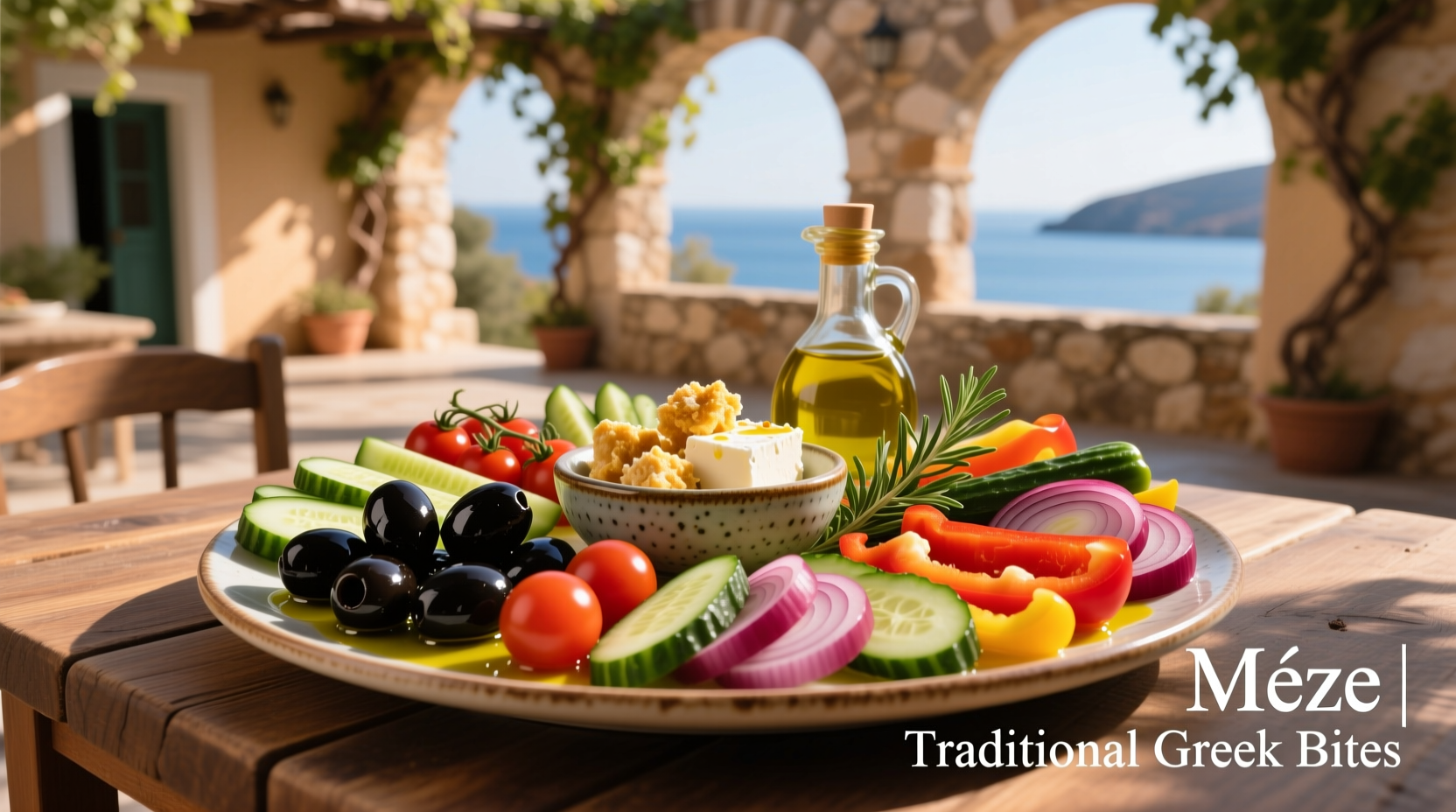
- Fresh vegetables - Tomatoes, cucumbers, eggplants, and leafy greens feature in nearly every meal
Historical Evolution: How Greek Food Developed Over Centuries
Greek cuisine's development reflects the country's complex history of cultural exchanges. The timeline below shows key influences that shaped what we recognize as Greek food today:
- Ancient Greece (800 BCE-146 CE) - Foundation of "Mediterranean triad": wheat, olives, and grapes. Simple preparations with honey, vinegar, and herbs.
- Byzantine Era (330-1453) - Introduction of new vegetables and spices through trade routes. Development of cheese-making techniques.
- Ottoman Period (1453-1830) - Integration of stuffed vegetables (dolmades), yogurt-based sauces, and coffee culture.
- Modern Greece (1830-present) - Regional diversification and global spread, with authentic Greek food maintaining its core principles despite international adaptations.
Iconic Greek Dishes You Should Know
Understanding what is Greek food requires familiarity with its signature dishes. These aren't just meals—they represent cultural touchstones:
Moussaka
Often mistaken as the national dish, this baked casserole features layers of eggplant, spiced meat, and béchamel sauce. Regional variations exist across the Mediterranean, but the Greek version developed in the early 20th century under chef Nikolaos Tselementes' influence.
Souvlaki
Marinated meat grilled on skewers, typically pork or chicken. While street food versions exist globally, authentic Greek souvlaki uses high-quality meat with minimal marinade—usually just lemon, olive oil, and oregano.
Tzatziki
The ubiquitous yogurt-cucumber sauce that accompanies nearly every Greek meal. True tzatziki uses thick strained yogurt, not sour cream substitutes common in other countries.
What Makes Greek Food Healthy?
Greek cuisine forms the heart of the Mediterranean diet, consistently ranked among the world's healthiest eating patterns. Research from the University of Athens shows Greeks consuming traditional diets have 20% lower cardiovascular disease rates than those following Western patterns.
The health benefits stem from:
- High monounsaturated fat intake from olive oil replacing saturated fats
- Daily consumption of plant-based foods (6-9 servings of vegetables daily)
- Moderate wine consumption with meals
- Regular physical activity integrated with eating culture
How to Identify Authentic Greek Restaurants
With Greek food's global popularity, distinguishing authentic establishments matters. Look for these indicators when exploring what is Greek food beyond your local area:
- Menu features regional specialties rather than just "Greek salad" and souvlaki
- Feta cheese served in blocks, not crumbled (crumbling is an American adaptation)
- Olive oil prominently displayed on tables, often in decanters
- Menu written in Greek with English translations, not exclusively in English
- Multiple meze (appetizer) options reflecting traditional dining patterns
Remember that authentic Greek dining emphasizes sharing multiple dishes family-style, with meals progressing from light meze to main courses and concluding with fresh fruit or light desserts.
Frequently Asked Questions About Greek Food
Here are answers to common questions about Greek cuisine:
What's the difference between Greek and Mediterranean food?
Greek food is a specific regional cuisine within the broader Mediterranean category. While all Greek food is Mediterranean, not all Mediterranean food is Greek. Greek cuisine has distinct ingredients like specific herb combinations, feta cheese production methods, and traditional dishes not found in other Mediterranean cultures.
Is Greek food typically spicy?
Authentic Greek food isn't spicy in the chili pepper sense. Heat comes primarily from black pepper and occasionally hot peppers in specific regional dishes. Greek cooking emphasizes herbal flavors rather than heat, with oregano being the dominant herb rather than spicy elements.
Why is olive oil so central to Greek cuisine?
Olive oil has been integral to Greek culture since ancient times, with olive trees considered sacred. Greece produces over 350,000 tons annually, and Greeks consume more per capita than any other nation. The oil's high monounsaturated fat content and flavor profile make it ideal for Greece's climate and cooking methods.
What makes Greek salad different from other vegetable salads?
Traditional Greek salad (horiatiki) contains specific ingredients: tomatoes, cucumber, red onion, Kalamata olives, capers, and feta cheese, dressed only with olive oil and oregano. Crucially, it contains no lettuce, which distinguishes it from Western "Greek salad" versions. The ingredients are cut larger than typical salads and arranged rather than tossed.




 浙公网安备
33010002000092号
浙公网安备
33010002000092号 浙B2-20120091-4