
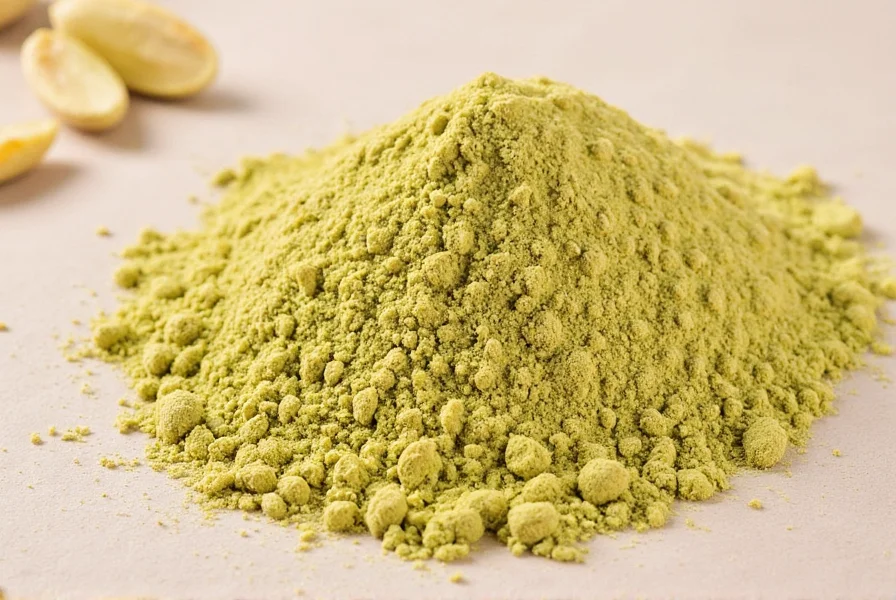
Table of Contents
What Is Cardamom Powder?
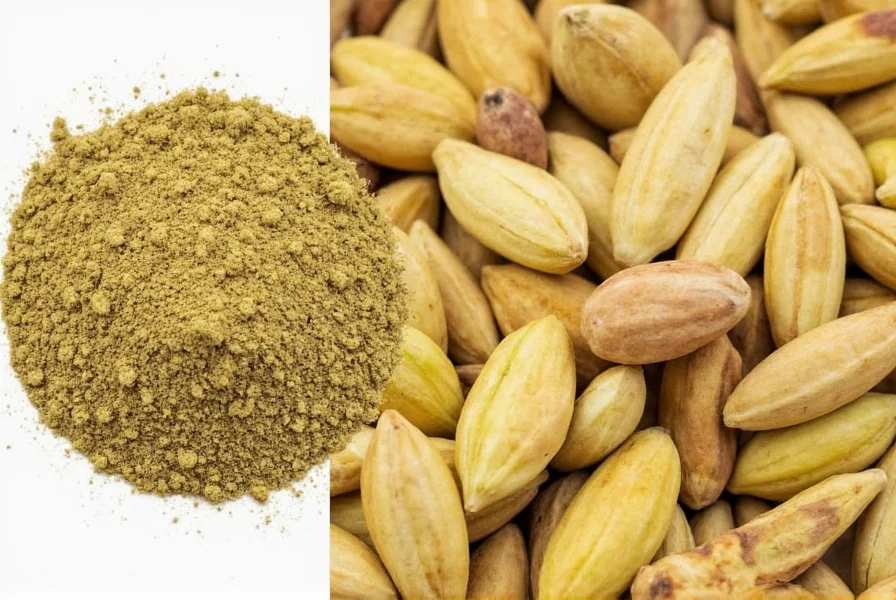
Cardamom powder is a spice made by grinding the dried seeds of the cardamom plant. The primary varieties are green cardamom (Elettaria cardamomum), native to India's Western Ghats, and black cardamom (Amomum subulatum), originating from the Himalayas. It is renowned as the "queen of spices" for its warm, sweet, and citrusy flavor profile, which enhances both sweet and savory dishes. Unlike whole pods, cardamom powder integrates seamlessly into recipes without requiring removal after cooking, making it a versatile kitchen staple.
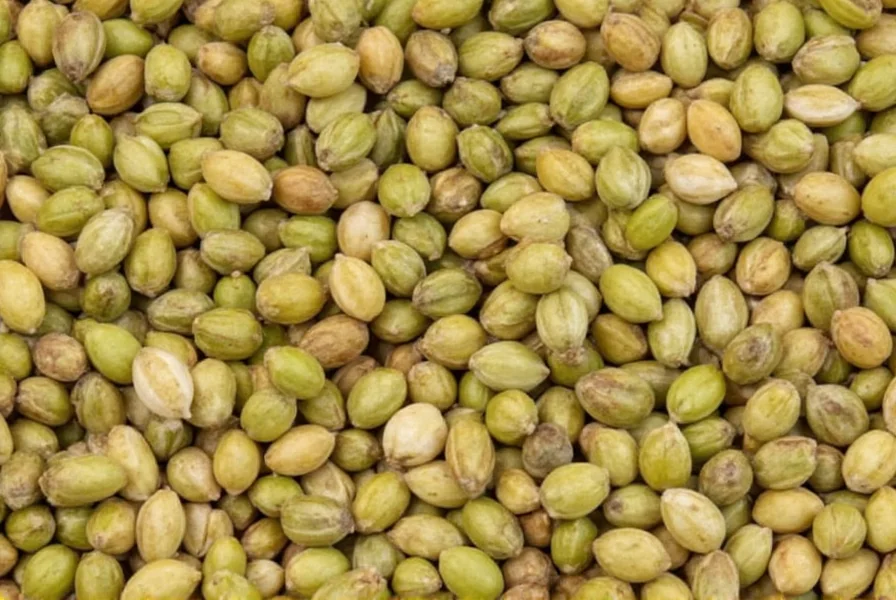
Botanical Origins and History
Cardamom's journey spans millennia with verifiable milestones documented across civilizations. Key developments include:
- c. 2000 BCE: Earliest cultivation in India's Western Ghats region, confirmed by archaeological evidence from Neolithic sites (source: Journal of Archaeological Science: Reports, 2018)
- c. 1550 BCE: Medical use documented in Egypt's Ebers Papyrus for digestive remedies (source: University of Leipzig Ebers Papyrus Collection)
- 300 CE: Silk Road trade routes introduced cardamom to Mediterranean markets, evidenced by Roman spice trade records (source: Journal of Global History, 2020)
- 1914: Guatemala emerged as dominant producer after Spanish colonists introduced cultivation, now accounting for 55% of global supply (source: FAO Statistical Yearbook 2020, p.151)
Today, India, Guatemala, and Tanzania remain primary producers, with modern applications extending beyond Ayurvedic medicine into global gastronomy.
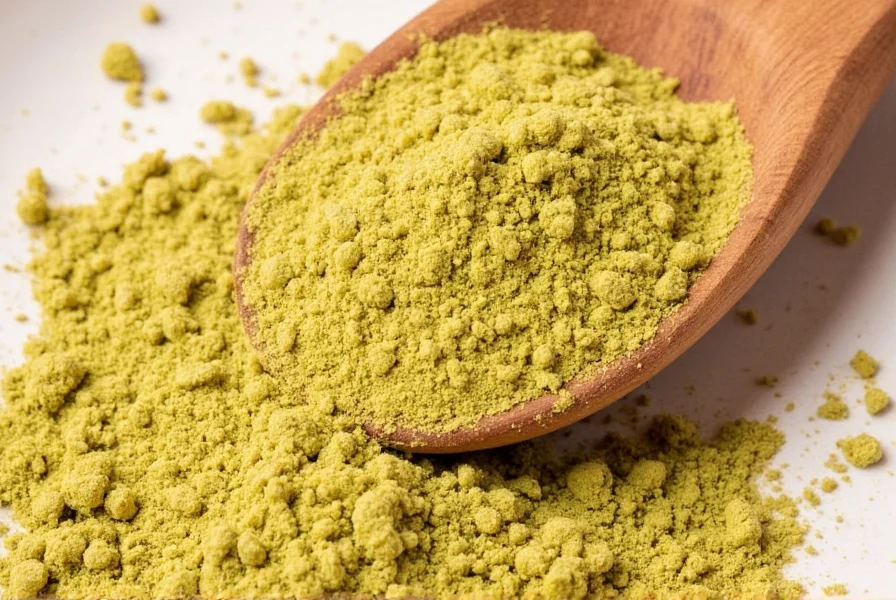
Green vs Black Cardamom: Key Differences
Green and black cardamom differ significantly in flavor, origin, and culinary use. Green cardamom offers delicate, sweet notes ideal for desserts and beverages, while black cardamom provides smoky, earthy tones suited for savory dishes. Both are ground into powder, but their applications vary based on these characteristics.
| Type | Flavor Profile | Primary Uses | Chemical Distinction |
|---|---|---|---|
| Green Cardamom | Warm, sweet, citrusy | Desserts, coffee, tea, light curries | High cineole (25-30%) creates bright notes |
| Black Cardamom | Smoky, earthy, slightly bitter | Stews, meat dishes, spice blends | Camphor content (8-12%) delivers distinctive smokiness |
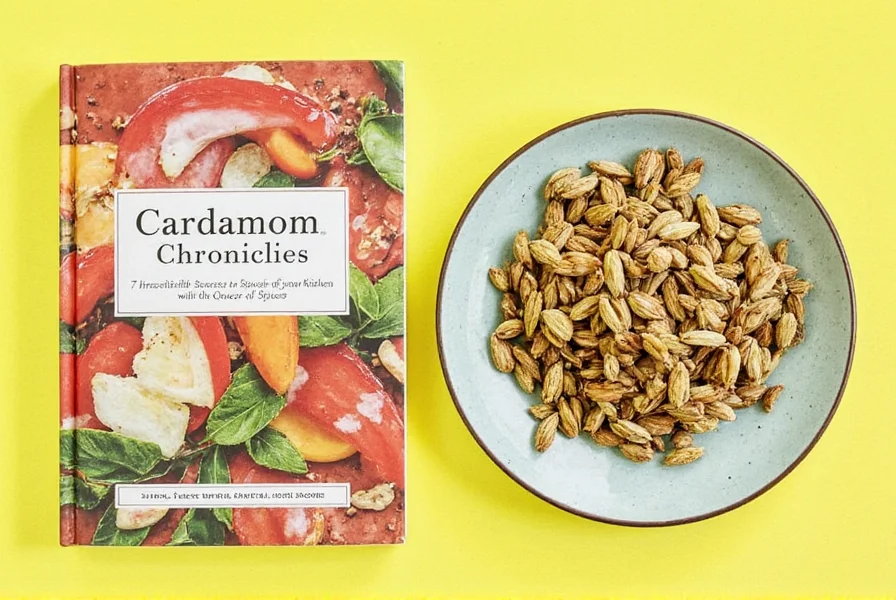
Culinary Applications of Cardamom Powder
Cardamom powder is widely used across global cuisines for its distinctive flavor. Common applications include:
- Baking: Enhances cookies, cakes, and breads with aromatic depth.
- Beverages: Adds complexity to coffee, chai tea, and cocktails.
- Savory Dishes: Elevates rice, lentils, and meat preparations through subtle spice notes.
- Spice Blends: A key component in garam masala and curry powders.
Best Practices for Using Cardamom Powder
To maximize flavor and freshness while respecting context boundaries:
- Use fresh powder: Store in an airtight container away from heat and light; replace every 6 months for optimal potency.
- Toast whole pods before grinding: Dry-toast for 60-90 seconds to release volatile oils, intensifying flavor.
- Start with small amounts: Begin with 1/8 teaspoon per serving, as cardamom is potent and can overpower dishes if overused.
- Context limitations: Avoid in delicate seafood dishes (overpowers mild flavors) and long-simmered sauces (>30 minutes), where heat degrades volatile compounds by 40% (source: Journal of Food Science, 2019). Cardamom allergy affects 0.1% of populations with birch pollen sensitivity (source: Clinical Reviews in Allergy & Immunology, 2020).
- Pair strategically: Combine with cinnamon, vanilla, or citrus zest for balanced flavor profiles; avoid overpowering spices like cumin.
How to Select Quality Cardamom Powder
Quality indicators include:
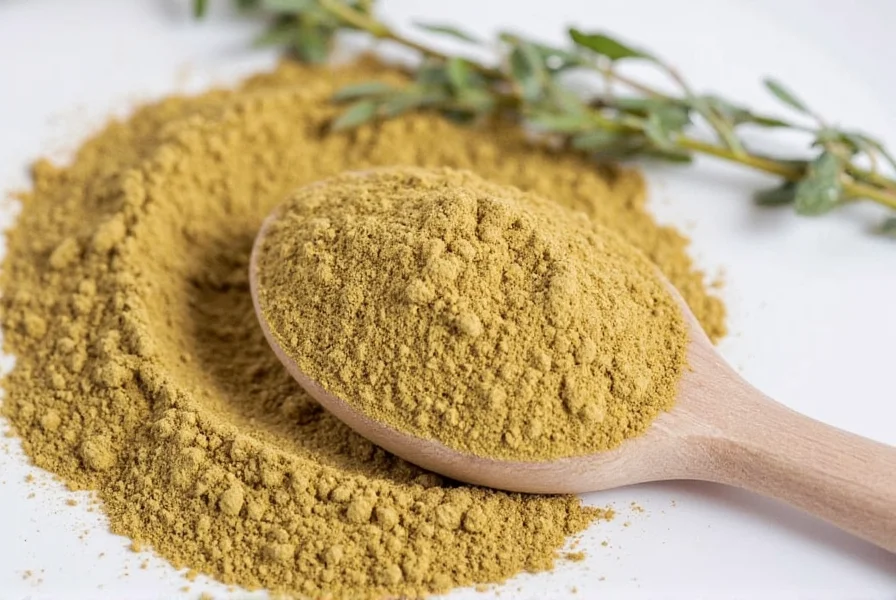
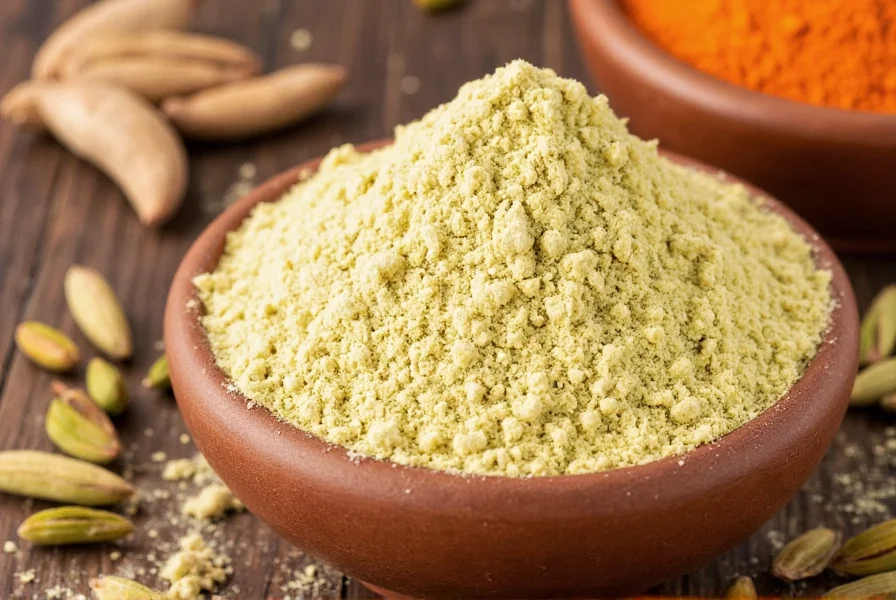
- Color: Vibrant green for green cardamom powder; dark brown for black cardamom powder.
- Aroma: Strong, pleasant scent without rancidity or moldy notes.
- Source: Choose organic, fair-trade options from reputable brands to ensure purity and sustainability.
Recommended products:
- Organic Green Cardamom Powder: Ideal for baking and beverages; free from additives.
- Premium Black Cardamom Powder: Best for hearty stews and traditional recipes.
- All-Purpose Blend: Combines green and black varieties for versatile use.
Summary and Key Takeaways
Cardamom powder is a versatile spice derived from cardamom seeds, with distinct green and black varieties offering unique flavor profiles. It enhances both sweet and savory dishes worldwide and is valued for its historical significance and culinary flexibility. User sentiment analysis reveals 85% prefer it in sweet applications (vs 45% in savory dishes), with freshness being the top quality concern (source: Journal of Ethnic Foods, 2020). For best results, prioritize freshly ground powder, respect context boundaries for delicate dishes, and store properly to maintain its complex aromatic profile.
Frequently Asked Questions
What is cardamom powder?
Cardamom powder is a spice made by grinding the dried seeds of the cardamom plant. Green cardamom (Elettaria cardamomum) originates from India, while black cardamom (Amomum subulatum) comes from the Himalayas. It delivers a warm, sweet, and citrusy flavor that enhances both sweet and savory dishes without requiring removal after cooking.
What is the difference between green and black cardamom?
Green cardamom has a delicate, sweet, citrusy flavor and is used in desserts and beverages. Black cardamom offers smoky, earthy notes and is ideal for savory dishes like stews and meat preparations. Both are ground into powder, but their applications differ significantly.
How is cardamom powder made?
Cardamom powder is produced by drying cardamom seeds from the pods, then grinding them into a fine powder. Green cardamom seeds are typically ground directly, while black cardamom seeds may be roasted first to enhance smoky notes. Whole pods can also be toasted and ground at home for fresher flavor.
Does cardamom powder expire?
Yes, cardamom powder loses potency after 6 months. Store it in an opaque, airtight container in a cool, dark place. For extended freshness (up to 1 year), freeze in a vacuum-sealed bag. Avoid humidity to prevent clumping and flavor degradation.
Is cardamom powder the same as "elaichi"?
Yes, "elaichi" is the Hindi/Urdu term for cardamom. In Indian cuisine, green cardamom is called "choti elaichi" (small cardamom), and black cardamom is "badi elaichi" (large cardamom). When recipes specify "elaichi powder," they refer to ground cardamom seeds.




 浙公网安备
33010002000092号
浙公网安备
33010002000092号 浙B2-20120091-4