
Understanding which foods affect your cholesterol levels is crucial for heart health. As someone who's worked with both professional chefs and home cooks for over 15 years, I've seen how small dietary changes create significant health improvements. This guide cuts through nutrition confusion with evidence-based information you can actually use.
The Cholesterol Reality Check
Many people mistakenly believe all cholesterol-containing foods directly raise blood cholesterol. The truth is more nuanced. Your liver produces about 80% of your body's cholesterol, while only 20% comes from food. The bigger concern isn't dietary cholesterol itself, but certain fats that trigger your liver to produce more LDL (low-density lipoprotein) cholesterol.
| Food Category | Cholesterol Impact | Key Culprits | Better Alternatives |
|---|---|---|---|
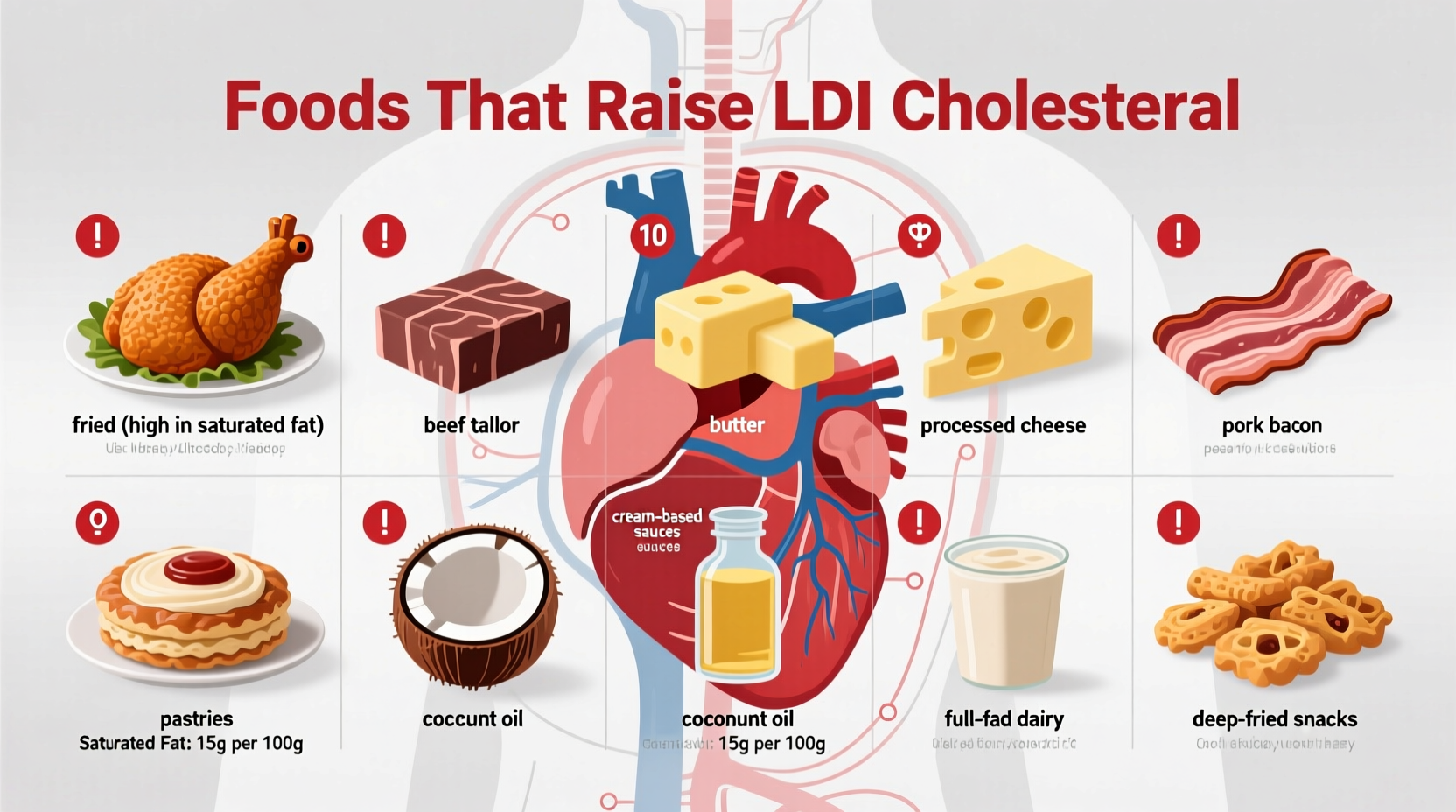
| Saturated Fats | High (Raises LDL) | Fatty red meats, butter, cheese, coconut oil | Olive oil, avocado, nuts |
| Trans Fats | Very High (Raises LDL, Lowers HDL) | Fried foods, baked goods, margarine | Canola oil, sunflower oil |
| Dietary Cholesterol | Minimal for most people | Eggs, shellfish, organ meats | Plant-based proteins |
Saturated Fats: The Primary Offender
Saturated fats have the strongest connection to elevated LDL cholesterol. According to the American Heart Association, replacing just 5-10% of saturated fat calories with unsaturated fats reduces heart disease risk by 10%. Common sources include:
- Fatty cuts of red meat (ribeye steak, ground beef with >15% fat) - Choose lean cuts like sirloin or flank steak
- Full-fat dairy products (whole milk, cheese, butter) - Opt for low-fat versions or plant-based alternatives
- Tropical oils (coconut oil, palm oil) often found in packaged snacks - Use olive or avocado oil instead
Trans Fats: The Worst Culprit
Artificial trans fats, created through hydrogenation, are particularly dangerous. The FDA states these fats simultaneously raise LDL cholesterol while lowering HDL ("good") cholesterol. Though banned in many countries, they still appear in:
- Fried foods (especially deep-fried)
- Commercially baked goods (donuts, cakes, cookies)
- Non-dairy creamers and microwave popcorn
Check ingredient lists for "partially hydrogenated oils" - even if the label claims "0g trans fat," products can contain up to 0.5g per serving.
Understanding Individual Responses
Research from Harvard T.H. Chan School of Public Health shows people respond differently to dietary cholesterol. About 70% are "compensators" whose bodies adjust cholesterol production when they consume cholesterol-rich foods. The remaining 30% are "hyper-responders" who experience more significant blood cholesterol changes. Genetic factors like the APOE4 gene variant influence this response.
Practical Swaps You Can Make Today
Transitioning to heart-healthy eating doesn't require perfection. Focus on these simple changes that deliver the biggest impact:
- Breakfast transformation: Replace sausage or bacon with smoked salmon or avocado on whole grain toast
- Cooking oil upgrade: Switch from butter to olive oil for sautéing (use avocado oil for high-heat cooking)
- Smart dairy choices: Choose 1% or skim milk instead of whole, and try Greek yogurt instead of sour cream
- Label literacy: Scan for "partially hydrogenated oils" and aim for products with less than 2g saturated fat per serving
How Quickly Can You See Results?
Dietary changes affect cholesterol levels within weeks. The CDC notes that consistent dietary improvements can lower LDL cholesterol by 5-15% in 4-6 weeks. For maximum benefit, combine dietary changes with regular exercise and weight management. Remember that occasional indulgences won't derail progress - consistency over time matters most.
Building a Heart-Healthy Plate
Create balanced meals using this simple framework:
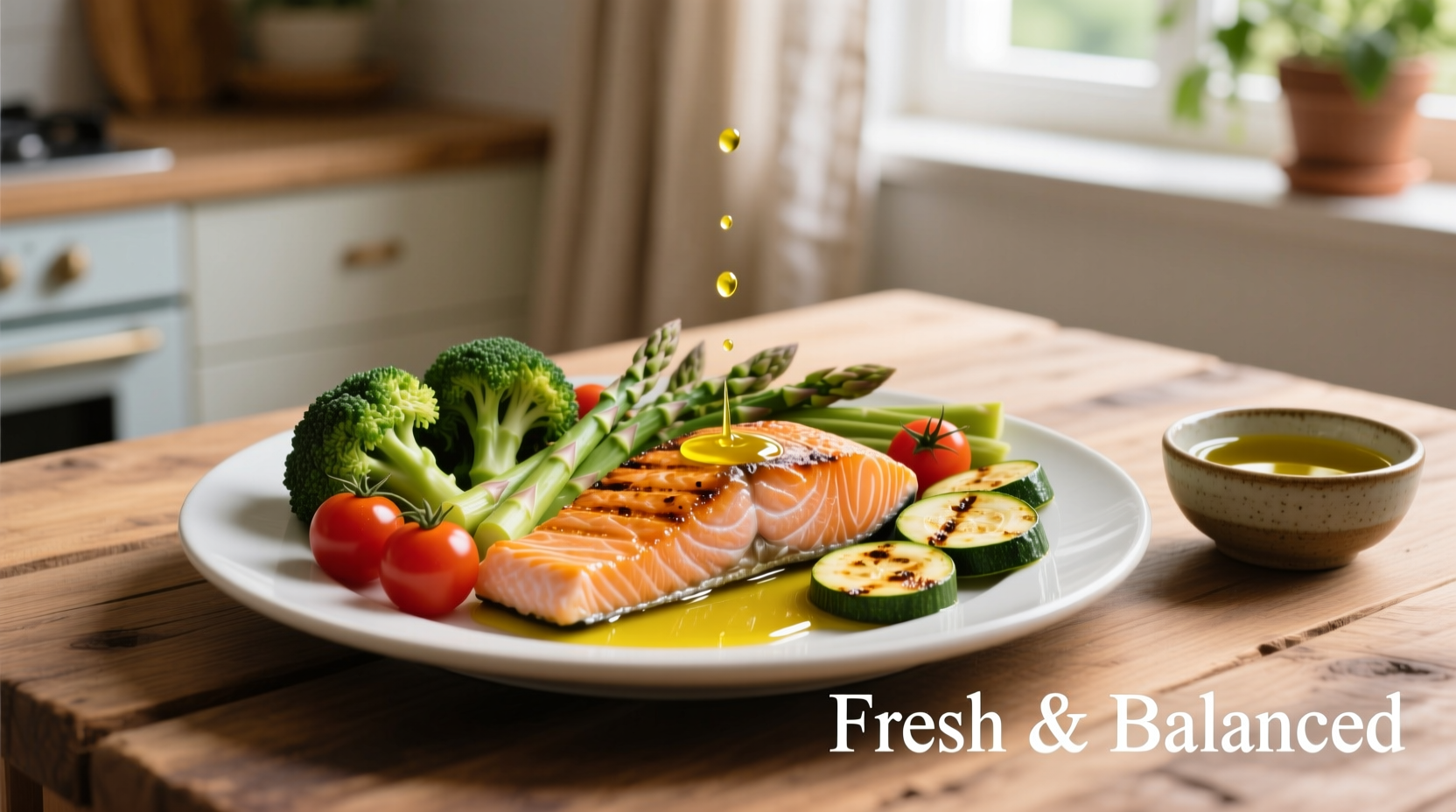
- 50% vegetables: Especially leafy greens, broccoli, and colorful peppers
- 25% lean protein: Fish, skinless poultry, beans, or tofu
- 25% whole grains: Quinoa, brown rice, or whole wheat pasta
- Healthy fats: A small serving of olive oil, avocado, or nuts
This approach naturally limits problematic fats while providing fiber that helps remove excess cholesterol from your system.
Your Action Plan
Start implementing these changes immediately with this 3-step approach:
- Week 1: Eliminate obvious trans fat sources (check your pantry for partially hydrogenated oils)
- Week 2: Replace one saturated fat source daily (e.g., switch from butter to olive oil)
- Week 3: Add two servings of soluble fiber foods daily (oats, beans, apples)
These small, sustainable changes create significant improvements without feeling restrictive. Remember that food labels now list both saturated and trans fats clearly, making informed choices easier than ever.




 浙公网安备
33010002000092号
浙公网安备
33010002000092号 浙B2-20120091-4