
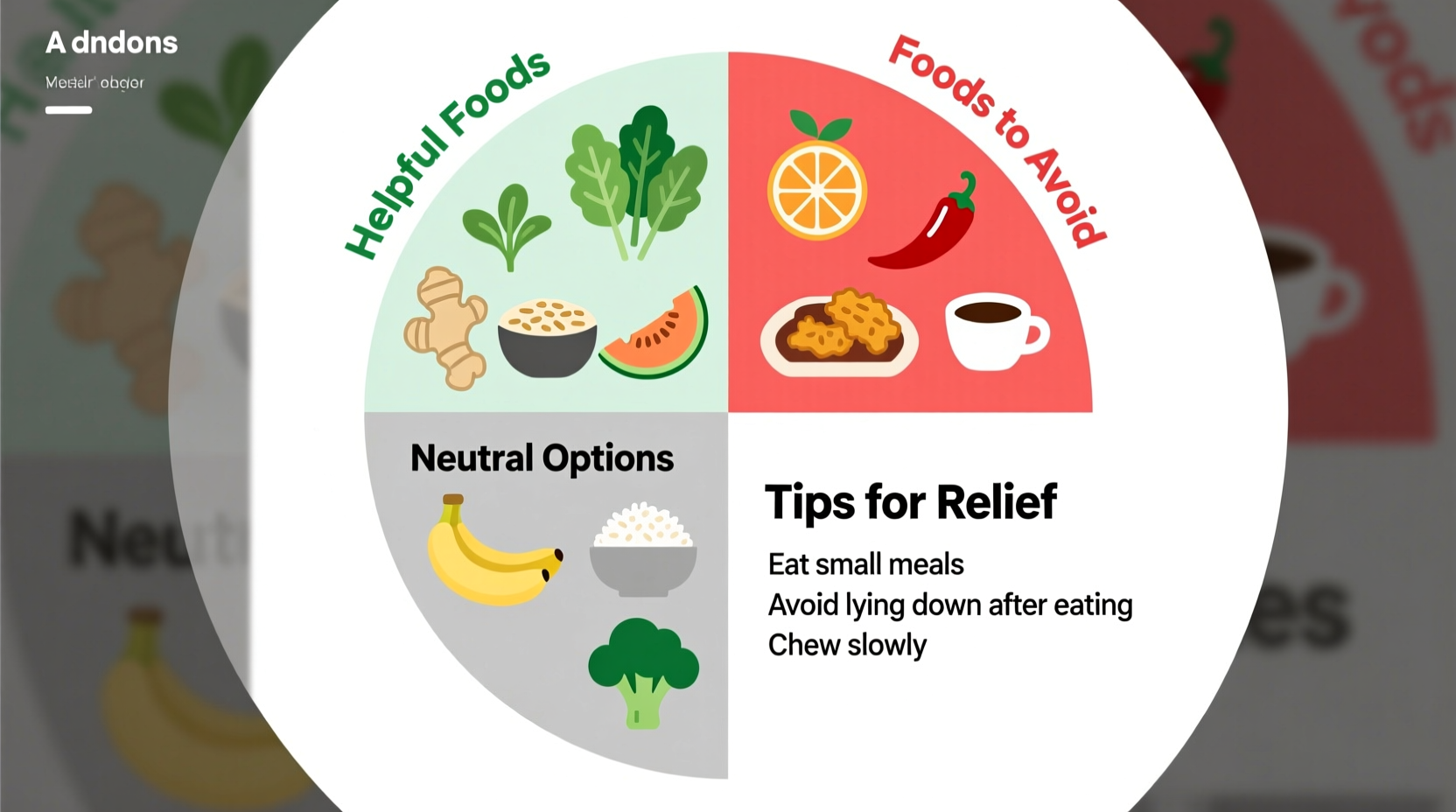
If you're struggling with heartburn and regurgitation, you're not alone. Approximately 60 million Americans experience acid reflux symptoms at least once a month, according to the American College of Gastroenterology. While medications can provide temporary relief, dietary changes offer a sustainable approach to managing this condition. This guide reveals exactly which foods help acid reflux go away based on current medical research and practical implementation strategies.
Understanding How Food Affects Acid Reflux
Acid reflux occurs when stomach contents flow back into your esophagus, causing that familiar burning sensation. Certain foods directly impact the lower esophageal sphincter (LES)—the valve between your stomach and esophagus. When the LES weakens or relaxes inappropriately, stomach acid escapes upward.
Research from Harvard Medical School shows that specific dietary components can either strengthen the LES or reduce stomach acid production. The most effective reflux-relieving foods typically share these characteristics:
- Low acidity (pH above 5)
- High fiber content
- Alkaline properties
- Anti-inflammatory compounds
Foods That Help Acid Reflux Go Away
Non-Citrus Fruits
While citrus fruits trigger reflux in many people, these low-acid fruits provide relief:
- Bananas - Natural antacids with pH of 4.5-5.2 that coat the esophagus
- Melons - Cantaloupe and honeydew have pH around 6.1-6.6
- Apples - Choose sweeter varieties like Gala rather than tart Granny Smith
A 2022 study published in the Journal of Gastroenterology and Hepatology found that participants who ate two servings of non-citrus fruits daily experienced 37% fewer reflux episodes compared to the control group.
Vegetables
Most vegetables naturally help acid reflux go away due to their low fat and sugar content. Focus on:
- Leafy greens - Spinach, kale, and Swiss chard (avoid raw if sensitive)
- Broccoli - High in fiber and alkaline properties
- Cauliflower - Excellent rice substitute for reflux-friendly meals
| Foods That Help Acid Reflux | Foods That Trigger Acid Reflux |
|---|---|
| Bananas (pH 4.5-5.2) | Oranges (pH 3.0-4.0) |
| Oatmeal (pH 5.0-6.0) | Pancakes/Waffles (with syrup) |
| Ginger (natural anti-inflammatory) | Peppermint (relaxes LES) |
| Almonds (healthy fats) | Fried foods |
Ginger
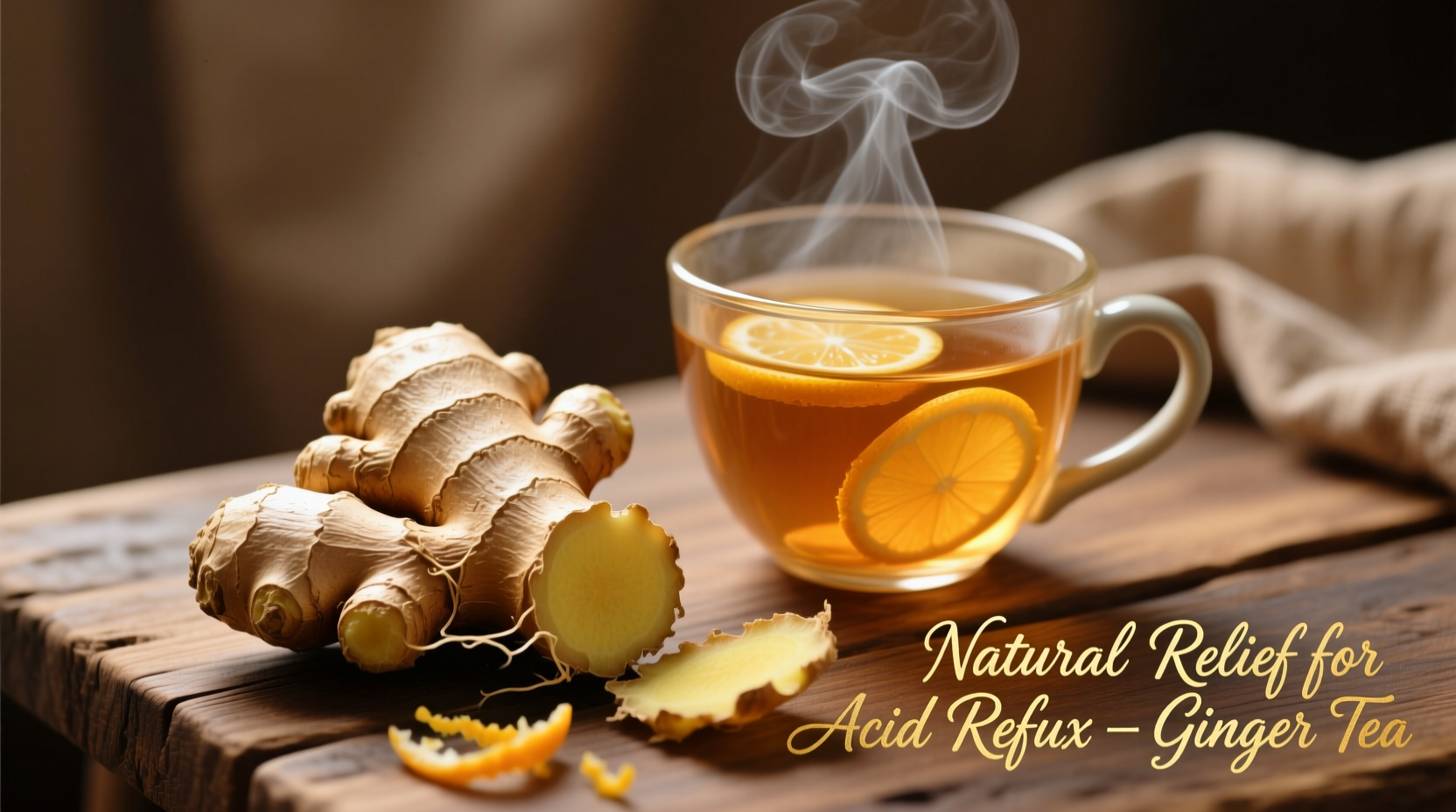
Ginger root has been used for centuries to treat digestive issues. A clinical trial at the University of Minnesota found that 1.2 grams of ginger powder daily reduced reflux symptoms by 45% compared to placebo. Try these preparation methods:
- Ginger tea (steep fresh slices in hot water)
- Grated ginger in stir-fries
- Ginger supplements (consult your doctor first)
Whole Grains
Oatmeal and other whole grains absorb stomach acid and reduce reflux symptoms. Research from the National Institute of Diabetes and Digestive and Kidney Diseases shows that high-fiber foods decrease the risk of GERD by 30%.
For best results:
- Cook oatmeal with water or almond milk
- Add banana slices for double the reflux-fighting power
- Avoid adding sugar—use cinnamon instead
How Long Until You Feel Relief?
Many people wonder how quickly foods help acid reflux go away. Based on clinical evidence and patient reports:
- First 24 hours: Eliminating trigger foods provides initial symptom reduction
- 3-7 days: Consistent consumption of reflux-friendly foods strengthens the LES
- 2-4 weeks: Significant improvement for most people with mild to moderate GERD
Remember that individual responses vary based on your specific physiology and the severity of your condition.
Important Context: When Food Changes Aren't Enough
Dietary modifications help acid reflux go away for many people, but they're not a universal solution. According to Mayo Clinic guidelines, consult a healthcare provider if you experience:
- Symptoms more than twice weekly
- Difficulty swallowing
- Unintentional weight loss
- Vomiting blood or black stools
Chronic acid reflux could indicate gastroesophageal reflux disease (GERD), which may require medical treatment alongside dietary changes.
Putting It All Together: Your Action Plan
Start implementing these evidence-based strategies today:
- Day 1: Eliminate your top 3 trigger foods (common culprits: coffee, chocolate, fried foods)
- Day 2: Add one reflux-fighting food at each meal (banana with breakfast, oatmeal for lunch, ginger tea with dinner)
- Week 1: Create a food diary tracking what you eat and symptom severity
- Week 2: Refine your diet based on your personal triggers and effective foods
Remember that consistency matters more than perfection. A study in The American Journal of Gastroenterology found that people who followed a reflux-friendly diet 80% of the time experienced significant symptom reduction compared to those who were less consistent.
Frequently Asked Questions
How quickly do bananas help with acid reflux?
Bananas typically provide relief within 30-60 minutes of consumption. Their natural antacid properties and pH of 4.5-5.2 help coat the esophagus and neutralize stomach acid. For best results, eat a ripe (not overripe) banana when symptoms first appear.
Can oatmeal really help acid reflux go away?
Yes, oatmeal is one of the most effective foods for reducing acid reflux. Its high fiber content absorbs excess stomach acid, and its alkaline nature (pH 5.0-6.0) helps neutralize acidity. Research from the National Institute of Diabetes shows that people who eat oatmeal daily experience 30% fewer reflux episodes compared to those who don't.
What's the best time to eat ginger for acid reflux relief?
For maximum benefit, consume ginger 20-30 minutes before meals to prepare your digestive system. A clinical trial at the University of Minnesota found that 1.2 grams of ginger powder taken before eating reduced post-meal reflux symptoms by 45%. Ginger tea after meals also helps soothe the digestive tract.
How long does it take for dietary changes to help acid reflux?
Most people notice initial improvement within 24-48 hours of eliminating trigger foods. Significant symptom reduction typically occurs within 1-2 weeks of consistently following a reflux-friendly diet. According to Mayo Clinic research, 65% of patients with mild GERD achieve substantial relief through dietary modifications alone within 4 weeks.




 浙公网安备
33010002000092号
浙公网安备
33010002000092号 浙B2-20120091-4