
Why Vitamin B6 Matters for Your Health
Vitamin B6, also known as pyridoxine, plays a critical role in over 100 enzyme reactions in your body. This essential nutrient supports brain development, immune function, and hemoglobin production. Unlike fat-soluble vitamins, your body doesn't store vitamin B6, making regular dietary intake crucial for maintaining optimal health.
Top Vitamin B6 Food Sources You Should Know
Understanding which foods contain significant amounts of vitamin B6 helps you make informed dietary choices. The National Institutes of Health recommends adults consume 1.3-1.7 mg daily, depending on age and gender. Here's what you need to know about the best food sources:
Animal-Based Powerhouses
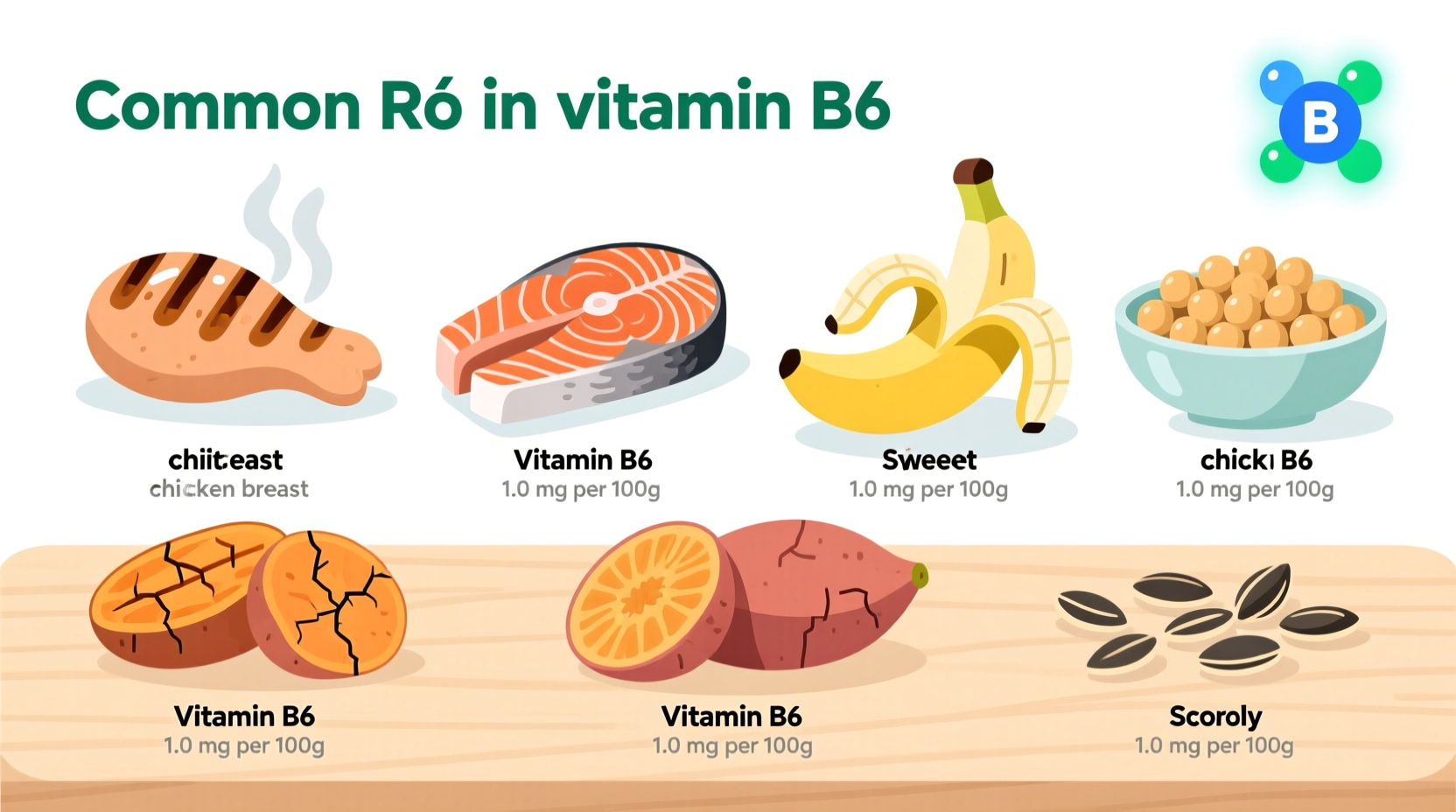
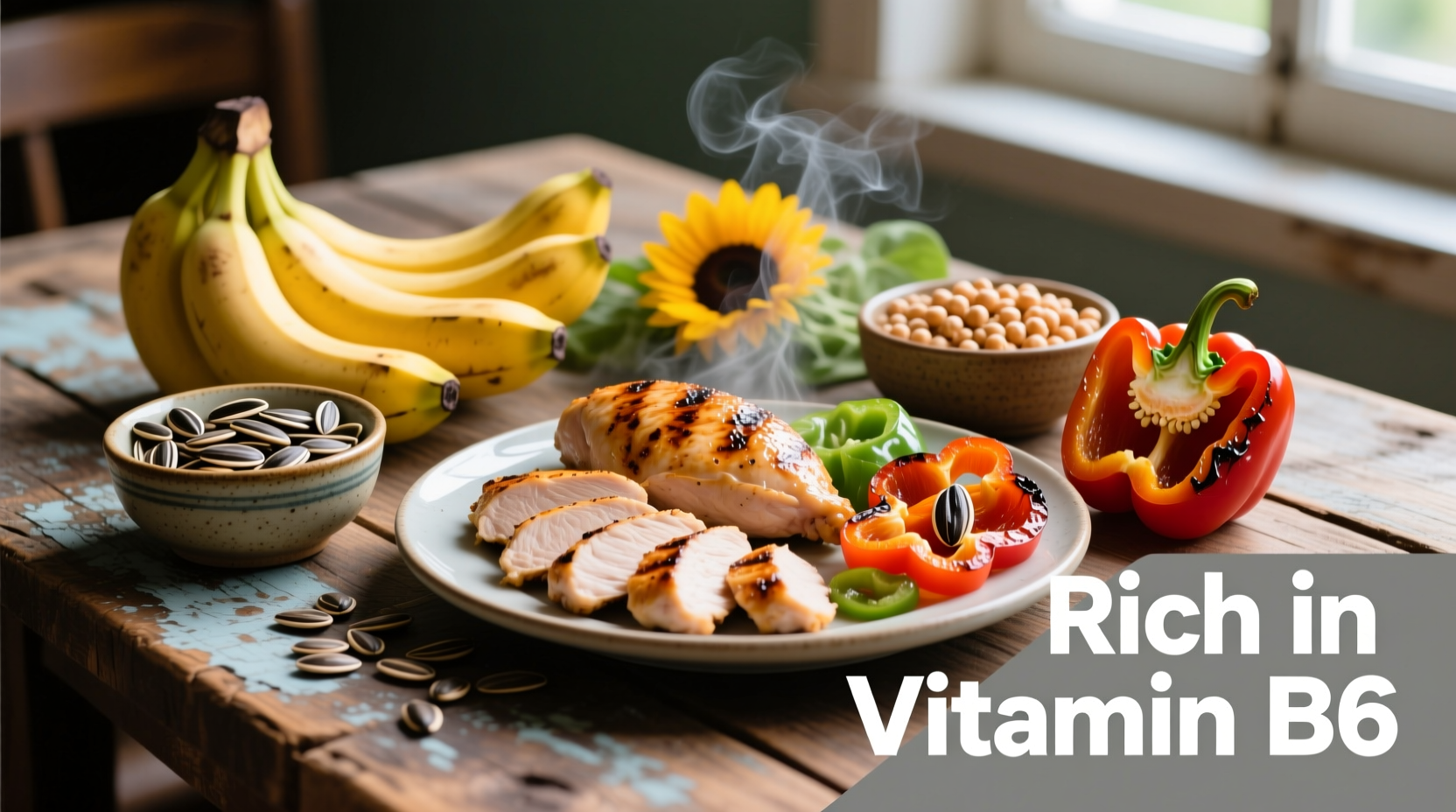
Animal proteins generally provide highly bioavailable vitamin B6. A 3-ounce serving of cooked salmon delivers approximately 0.6 mg of vitamin B6, meeting nearly half your daily needs. Chicken breast offers 0.5 mg per serving, while turkey provides similar amounts. Organ meats like chicken liver contain even higher concentrations at about 0.9 mg per 3-ounce serving.
Plant-Based Options for Everyone
For vegetarians and vegans, chickpeas stand out as a nutritional superstar with 1.1 mg of vitamin B6 per cooked cup. Potatoes (with skin) provide 0.4 mg in a medium-sized serving, and bananas offer 0.4 mg each. Other excellent plant sources include pistachios (0.4 mg per ounce), sunflower seeds (0.3 mg per ounce), and avocados (0.3 mg per whole fruit).
| Food | Serving Size | Vitamin B6 (mg) | % Daily Value |
|---|---|---|---|
| Chickpeas | 1 cup cooked | 1.1 | 65% |
| Salmon | 3 oz cooked | 0.6 | 35% |
| Chicken Breast | 3 oz cooked | 0.5 | 29% |
| Potato | 1 medium with skin | 0.4 | 24% |
| Banana | 1 medium | 0.4 | 24% |
| Pistachios | 1 oz | 0.4 | 24% |
Maximizing Vitamin B6 Absorption Through Smart Preparation
Cooking methods significantly impact vitamin B6 retention. According to USDA research, boiling causes the greatest nutrient loss, while baking and steaming preserve more of this water-soluble vitamin. For potatoes, keeping the skin on during cooking retains up to 30% more vitamin B6. Pairing vitamin B6-rich foods with sources of magnesium (like nuts and seeds) enhances absorption, creating more effective nutrient synergy in your meals.
Daily Requirements Across Different Life Stages
Your vitamin B6 needs vary throughout life. The National Institutes of Health Office of Dietary Supplements establishes these daily requirements:
- Adults 19-50 years: 1.3 mg
- Men 51+: 1.7 mg
- Women 51+: 1.5 mg
- Pregnant women: 1.9 mg
- Breastfeeding women: 2.0 mg
These recommendations account for decreased absorption efficiency as we age and increased needs during reproductive stages. Individuals with certain health conditions like kidney disease or autoimmune disorders may require adjusted intake levels under medical supervision.
Populations at Higher Risk of Deficiency
While vitamin B6 deficiency is relatively uncommon in developed countries, certain groups face higher risks. People with alcohol dependence often experience impaired absorption, as do those with autoimmune disorders like rheumatoid arthritis. Older adults may need to pay special attention to their intake due to age-related absorption challenges. Strict vegetarians should monitor their consumption since plant-based sources generally contain less bioavailable forms of vitamin B6.
Recognizing Potential Deficiency Signs
Mild vitamin B6 deficiency might manifest as fatigue, confusion, or weakened immune function. Severe deficiency can lead to microcytic anemia, dermatitis, and neurological symptoms. However, these symptoms overlap with many other conditions, so proper medical evaluation is essential before attributing them to vitamin B6 status. Most people can meet their needs through a balanced diet without supplementation.
Practical Tips for Boosting Your Vitamin B6 Intake
Start your day with a banana in your smoothie or oatmeal. Add chickpeas to salads or make hummus for snacks. Choose baked salmon instead of fried fish for dinner. Keep pistachios or sunflower seeds handy for quick, nutrient-dense snacks. When meal planning, aim to include at least one vitamin B6-rich food at each meal to ensure consistent daily intake without relying on supplements.




 浙公网安备
33010002000092号
浙公网安备
33010002000092号 浙B2-20120091-4