
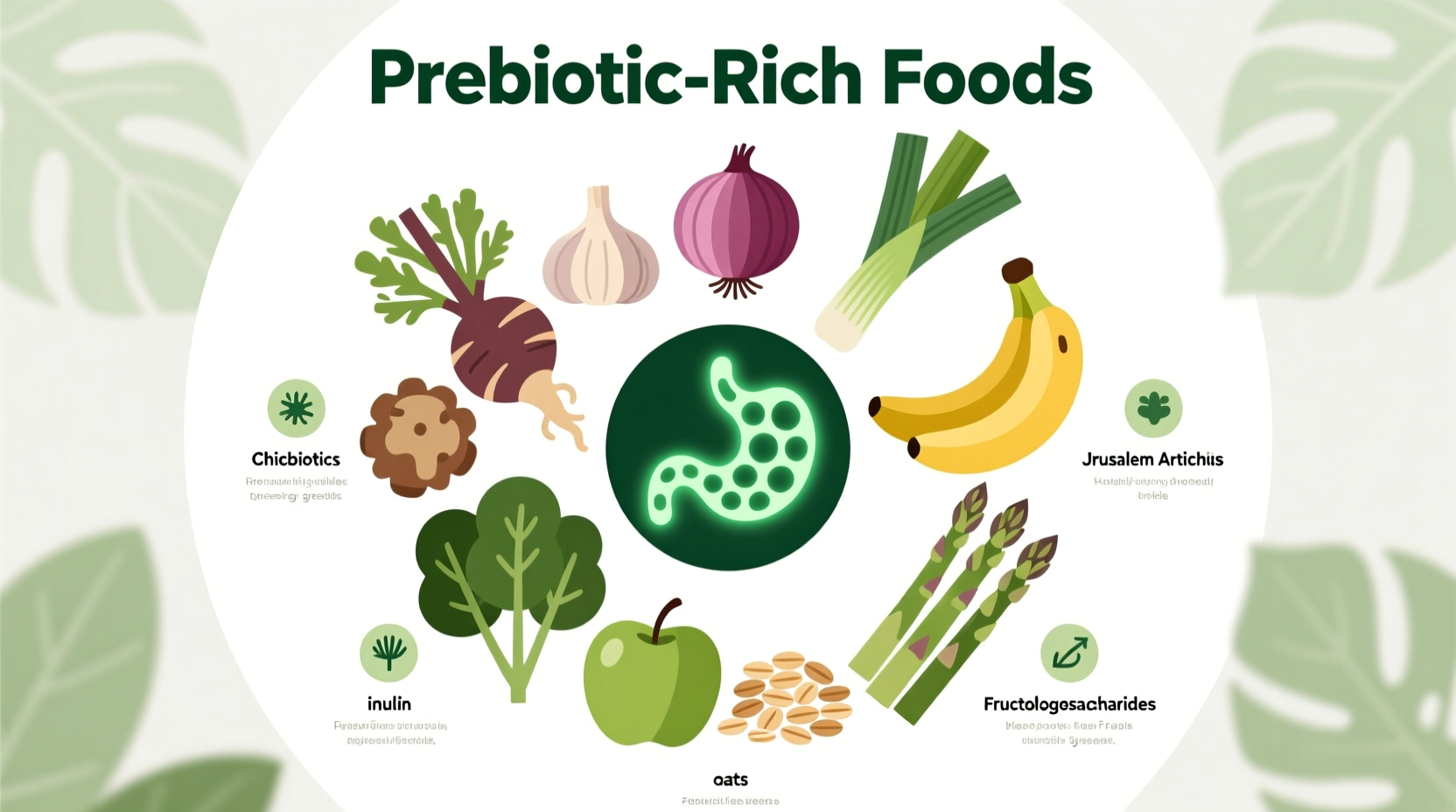
Top prebiotic foods include garlic, onions, leeks, asparagus, bananas, oats, apples, flaxseeds, and chicory root. These natural sources of dietary fiber feed beneficial gut bacteria, supporting digestive health, immune function, and nutrient absorption. Incorporating just 2-3 servings daily of these evidence-backed prebiotic-rich foods can significantly improve your gut microbiome diversity within weeks.
Understanding which foods contain prebiotics is essential for anyone looking to optimize their gut health through diet. Unlike probiotics that introduce beneficial bacteria, prebiotics serve as the essential fuel that helps these good bacteria thrive in your digestive system. Research from the National Center for Complementary and Integrative Health confirms that regular consumption of prebiotic foods enhances the growth of beneficial gut bacteria like Bifidobacteria and Lactobacilli.
Why Prebiotics Matter for Your Health
Prebiotics aren't just another health trend—they're scientifically validated components that directly impact your overall wellbeing. According to a comprehensive review published in Nutrients journal, consistent intake of prebiotic fibers improves calcium absorption by up to 15% and strengthens immune responses by modulating gut-associated lymphoid tissue. The gut microbiome plays a crucial role in everything from mental health to metabolic function, making prebiotic consumption a foundational element of preventive nutrition.
Top Prebiotic Food Categories and Specific Examples
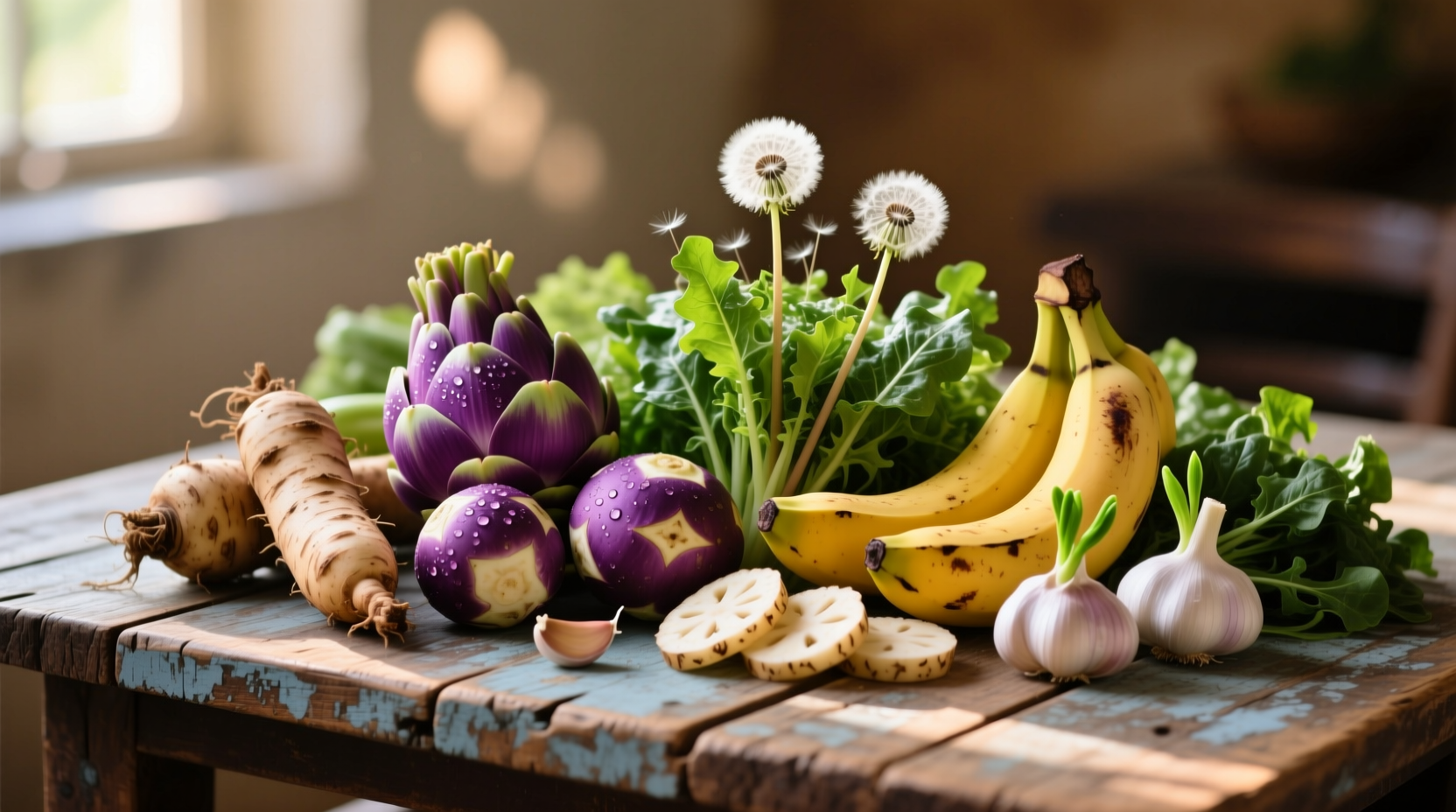
Not all prebiotic sources are created equal. Different foods contain varying types and amounts of prebiotic fibers, primarily in the form of inulin, fructooligosaccharides (FOS), and galactooligosaccharides (GOS). Let's explore the most potent natural sources:
Allium Family Powerhouses
Garlic and onions aren't just flavor enhancers—they're prebiotic superstars. Just one medium onion provides approximately 1.7g of inulin, while two cloves of garlic deliver about 0.9g of FOS. These allium vegetables have demonstrated particularly strong effects on increasing beneficial gut bacteria populations according to research from the Johns Hopkins Medicine Digestive Health Center.
Leafy Greens and Asparagus
Raw asparagus contains about 2-3g of inulin per 100g serving, making it one of the most concentrated vegetable sources. Jerusalem artichokes (sunchokes) are even more potent, with an impressive 16-20g of inulin per 100g. When selecting asparagus, choose thicker stalks which contain higher concentrations of prebiotic fibers.
| Food Source | Prebiotic Content per 100g | Primary Fiber Type | Additional Health Benefits |
|---|---|---|---|
| Chicory root | 64.6g | Inulin | Calcium absorption, blood sugar regulation |
| Jerusalem artichoke | 16-20g | Inulin | Immune support, vitamin B complex |
| Dandelion greens | 4.0g | Inulin | Liver support, rich in vitamin K |
| Garlic | 2.4g | FOS | Antimicrobial properties, cardiovascular support |
| Onions | 1.7g | Inulin/FOS | Antioxidant quercetin, anti-inflammatory |
Practical Ways to Incorporate Prebiotics Daily
Maximizing prebiotic benefits requires consistent consumption throughout the day. Start with these simple strategies that nutritionists recommend:
- Morning boost: Add 1 tablespoon of ground flaxseed to your breakfast smoothie or oatmeal (provides 2.7g of prebiotic fiber)
- Lunch enhancement: Include raw onions or asparagus in your salad—cooking reduces prebiotic content by up to 30%
- Smart snacking: Choose slightly green bananas which contain higher resistant starch levels than fully ripe ones
- Dinner addition: Sauté leeks or garlic as a base for soups and sauces to maximize prebiotic delivery
Registered dietitians from the Academy of Nutrition and Dietetics emphasize that combining prebiotic foods with probiotic-rich options like yogurt or kefir creates a powerful synbiotic effect that significantly enhances gut microbiome diversity compared to either approach alone.
Important Considerations and Limitations
While prebiotics offer substantial health benefits, certain considerations affect their effectiveness and appropriateness:
Digestive sensitivity: Individuals with irritable bowel syndrome (IBS) following a low-FODMAP diet may need to temporarily limit certain high-prebiotic foods like onions and garlic. The Monash University Low FODMAP Program recommends introducing prebiotics gradually, starting with small portions of lower-FODMAP options like oats and carrots.
Processing impact: Commercial processing significantly reduces prebiotic content. For example, cooked canned asparagus contains only about 1g of inulin per 100g compared to 2-3g in raw fresh asparagus. Whenever possible, choose minimally processed, fresh options to maximize prebiotic benefits.
Individual variation: Gut microbiome composition varies significantly between individuals, meaning prebiotic effects can differ. Research published in Cell Host & Microbe shows that baseline gut bacteria diversity affects how effectively someone responds to prebiotic interventions.
Building a Sustainable Prebiotic-Rich Diet
Creating lasting gut health requires consistent, varied prebiotic intake rather than occasional consumption. Nutrition experts recommend rotating through at least 5 different prebiotic food sources weekly to nourish diverse bacterial strains. This approach aligns with findings from the American Gut Project, which demonstrated that dietary diversity directly correlates with microbial diversity.
When increasing prebiotic intake, remember to simultaneously boost water consumption—aim for an additional 8-16 ounces daily—to prevent potential digestive discomfort. Most people tolerate prebiotics well when introduced gradually over 2-3 weeks, starting with 2-3g daily and working up to the recommended 5-8g.
Prebiotics in Context: Real-World Application
Understanding which foods contain prebiotics becomes truly valuable when applied to everyday eating patterns. Consider these practical scenarios:
- For busy professionals: Keep prebiotic-rich snacks like roasted chickpeas or apple slices with almond butter at your desk
- For family meals: Incorporate finely diced onions and garlic into tomato sauces—children often won't notice them but will benefit from the prebiotics
- For digestive recovery: After antibiotic treatment, prioritize both prebiotic foods and probiotic sources to rebuild gut microbiome diversity more effectively
The key isn't finding the single best prebiotic food, but rather building a varied dietary pattern that consistently nourishes your unique gut ecosystem. As research continues to evolve, one principle remains clear: whole food sources of prebiotics consistently outperform supplements in delivering comprehensive gut health benefits.




 浙公网安备
33010002000092号
浙公网安备
33010002000092号 浙B2-20120091-4