
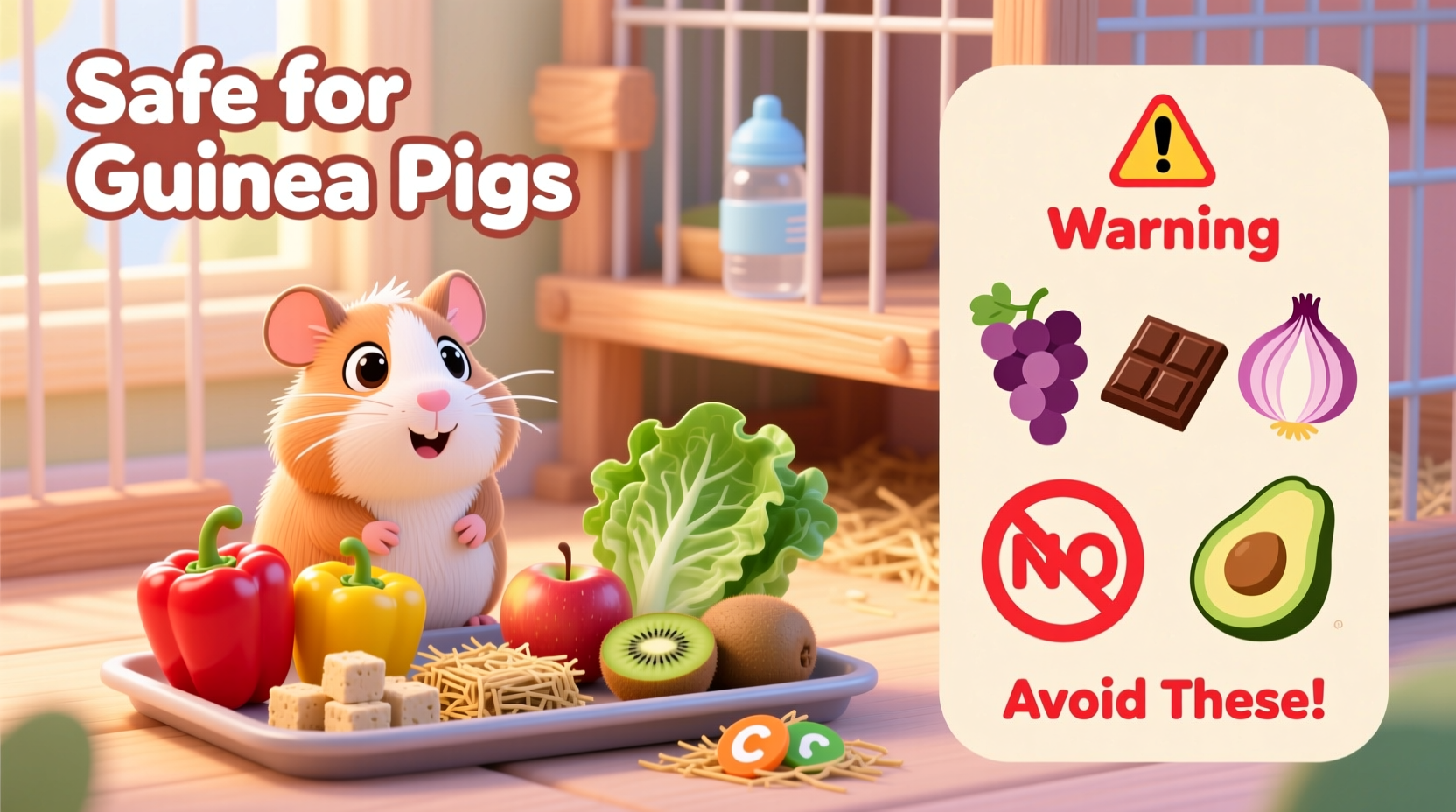
Wondering exactly what to feed your guinea pig to keep them healthy and thriving? You're not alone. Each year, thousands of guinea pig owners make critical dietary mistakes that lead to preventable health issues like scurvy, digestive problems, and even life-threatening conditions. This comprehensive guide delivers veterinarian-approved feeding protocols based on the latest nutritional research, so you can provide optimal care from day one.
Why Guinea Pig Nutrition Requires Special Attention
Unlike most pets, guinea pigs have three unique biological requirements that dictate their entire diet:
- Vitamin C dependency - They lack the enzyme to synthesize vitamin C, requiring 10-30mg daily
- Dental health needs - Their teeth grow continuously, requiring high-fiber hay for proper wear
- Sensitive digestive systems - Certain common foods can cause fatal gastrointestinal stasis
According to the American Veterinary Medical Association, improper diet accounts for over 65% of health issues in pet guinea pigs. The good news? With the right feeding strategy, you can prevent most problems before they start.
Building Your Guinea Pig's Daily Diet Framework
Think of your guinea pig's diet as a nutritional pyramid with three essential layers:
- Foundation (80%): Unlimited Timothy hay - Provides necessary fiber for digestion and dental health
- Nutritional Core (15%): Vitamin C-rich vegetables - Daily servings of appropriate produce
- Supplement (5%): Fortified pellets and occasional treats - Targeted nutrition and enrichment
| Diet Component | Daily Requirement | Critical Purpose |
|---|---|---|
| Timothy Hay | Unlimited access | Dental wear, digestive health, behavioral enrichment |
| Vitamin C Vegetables | 1 cup per pound of body weight | Prevent scurvy, provide essential nutrients |
| Fortified Pellets | 1/8 cup daily | Supplement vitamin C and other nutrients |
| Fresh Water | Changed daily | Hydration, kidney function |
Safe Vegetable Guide: What to Feed Daily and Weekly
Not all vegetables are created equal for guinea pigs. Some provide essential vitamin C, while others should be limited due to calcium content or other concerns.
| Vegetable Type | Safe Options | Frequency | Portion Size |
|---|---|---|---|
| Daily Vitamin C Sources | Bell peppers (all colors), kale, cilantro, parsley | Daily | 1/4 bell pepper or 1 cup leafy greens |
| Weekly Rotation Vegetables | Cucumber, zucchini, carrot tops, romaine lettuce | 3-4 times weekly | 1-2 small pieces |
| Occasional Treats | Carrots, beet greens, broccoli | 1-2 times weekly | 1 small piece |
According to research published in the Journal of Exotic Pet Medicine, red and yellow bell peppers contain approximately 130-150mg of vitamin C per 100g, making them ideal daily staples. Rotate leafy greens to prevent oxalate buildup from any single source.
Fruit Guide: Healthy Treats in Proper Portions
Fruits provide vitamin C but should be limited due to sugar content. Always remove seeds and pits, which contain cyanide compounds.
| Fruit | Vitamin C Content | Safe Portion | Frequency |
|---|---|---|---|
| Strawberries | 58.8mg/100g | 1 small berry | 2-3 times weekly |
| Oranges | 53.2mg/100g | 1 thin slice | 1-2 times weekly |
| Apples | 4.6mg/100g | 1 small cube | Weekly |
| Bananas | 8.7mg/100g | 1/2 inch slice | Rarely (high sugar) |
Critical Foods to Avoid: The Danger List
Certain common household foods can be toxic or fatal to guinea pigs. The following items should never be offered:
| Food Category | Dangerous Items | Potential Effects |
|---|---|---|
| Allium Family | Onions, garlic, leeks, chives | Hemolytic anemia, organ damage |
| High-Calcium Foods | Spinach, kale (excess), parsley (excess) | Bladder stones with regular consumption |
| Human Processed Foods | Bread, crackers, cereal, chocolate | Digestive disruption, obesity |
| Plants | Ivy, lilies, tulips, daffodils | Poisoning, potentially fatal |
The House Rabbit Society reports that accidental feeding of allium vegetables accounts for approximately 12% of emergency vet visits for guinea pigs. If your guinea pig consumes any toxic food, contact an exotic veterinarian immediately and note the time of consumption.
Special Considerations: Age, Health, and Seasonal Factors
Your guinea pig's dietary needs change based on several contextual factors:
- Young guinea pigs (under 6 months): Can have alfalfa-based hay and pellets for calcium needs
- Adult guinea pigs (6+ months): Require Timothy hay to prevent urinary issues
- Pregnant females: Need increased vitamin C (up to 30mg daily) and protein
- Cold weather: May require slightly increased food intake to maintain body temperature
The University of California's Veterinary Medicine Teaching Hospital notes that guinea pigs in colder environments may need up to 20% more food during winter months to maintain body condition, but this should come from additional hay rather than increased pellets or treats.
Creating a Sustainable Feeding Routine
Consistency matters as much as content when feeding guinea pigs. Here's a sample daily schedule:
- Morning: Fresh vegetables, water change, hay replenishment
- Midday: Hay check and replenishment if needed
- Evening: Pellets, additional vegetables, hay check
Remove uneaten vegetables after 4-6 hours to prevent spoilage. Store hay in a cool, dry place away from direct sunlight to preserve nutritional value. Rotate vegetables weekly to provide variety and prevent selective eating.
Recognizing Diet-Related Health Issues
Watch for these warning signs that indicate dietary problems:
- Scurvy symptoms: Lethargy, joint swelling, rough coat, bleeding gums
- Digestive issues: Decreased fecal output, bloating, lack of appetite
- Dental problems: Drooling, difficulty eating, weight loss
- Urinary issues: Blood in urine, straining to urinate, frequent small amounts
If you notice any of these symptoms, schedule a veterinary appointment immediately. Early intervention significantly improves outcomes for diet-related health issues.
FAQs About Guinea Pig Nutrition
Can guinea pigs eat cilantro?
Yes, cilantro is an excellent daily vegetable for guinea pigs. It provides vitamin C and other nutrients without excessive calcium. Offer 5-6 sprigs daily as part of their vegetable portion.
How often should I feed my guinea pig vegetables?
Guinea pigs should receive fresh vegetables once or twice daily, totaling approximately 1 cup per pound of body weight. Divide this into morning and evening feedings for optimal digestion.
Do guinea pigs need vitamin C supplements?
When properly fed with vitamin C-rich vegetables and fortified pellets, supplements are unnecessary. Over-supplementation can cause kidney issues. Focus on natural sources like bell peppers instead.
Can guinea pigs eat tomato?
Yes, but only the ripe fruit portion (not the leaves or stems). Offer cherry tomatoes once or twice weekly as the acidity can cause mouth sores with frequent feeding. Remove seeds before serving.
Why can't guinea pigs eat iceberg lettuce?
Iceberg lettuce contains lactucarium, which can cause digestive upset and diarrhea in guinea pigs. It also has minimal nutritional value compared to darker leafy greens like romaine or red leaf lettuce.




 浙公网安备
33010002000092号
浙公网安备
33010002000092号 浙B2-20120091-4