
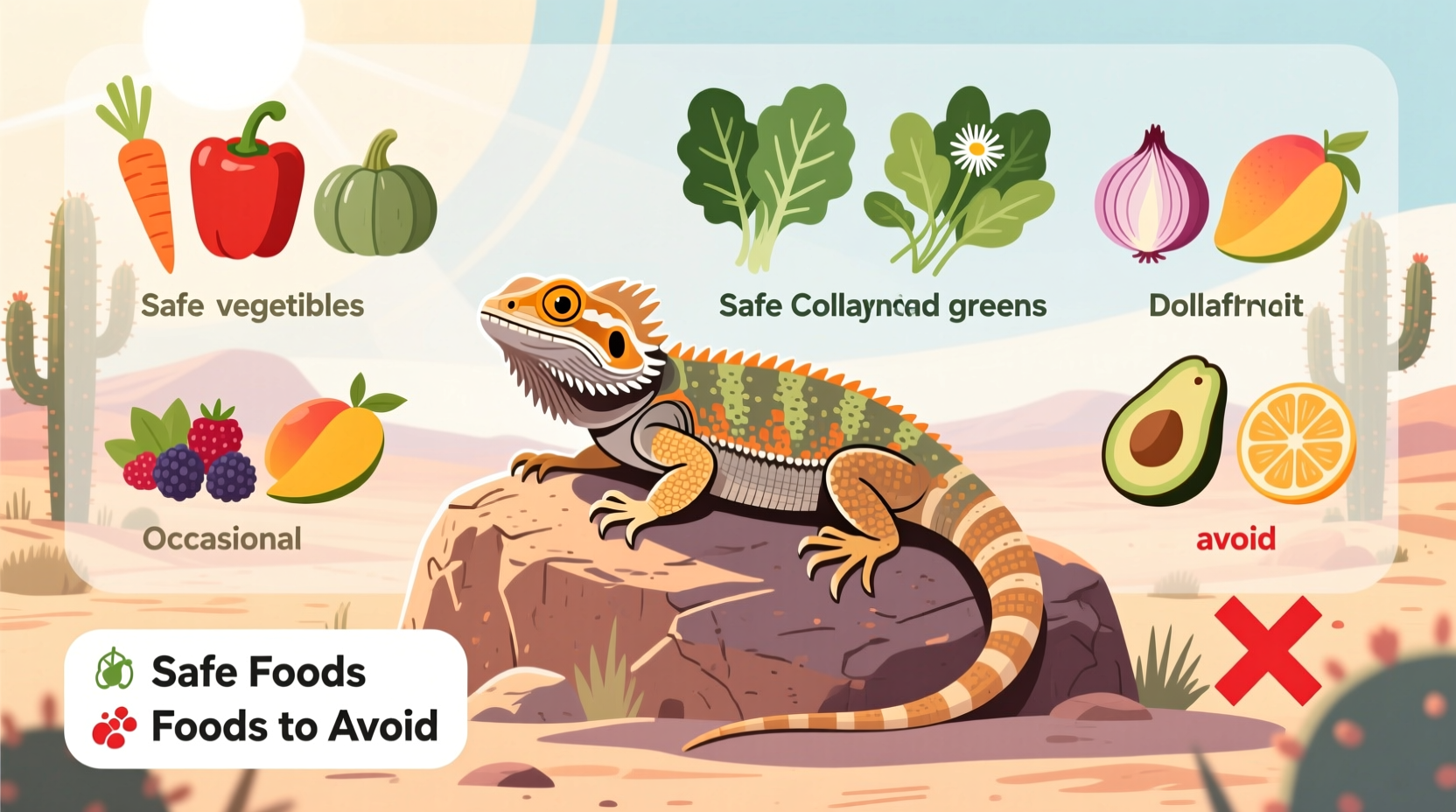
Understanding Your Bearded Dragon's Nutritional Needs
Providing proper nutrition is the cornerstone of bearded dragon health and longevity. These reptiles require a carefully balanced diet that evolves as they mature. Incorrect feeding practices account for over 60% of health issues in captive bearded dragons, according to the Association of Reptilian and Amphibian Veterinarians. Let's break down exactly what your scaly companion needs at each life stage.
Essential Food Categories for Bearded Dragons
Bearded dragons are omnivores with specific nutritional requirements that change dramatically as they grow. Understanding these categories helps create a balanced meal plan.
| Food Category | Safe Options | Frequency | Nutritional Benefit |
|---|---|---|---|
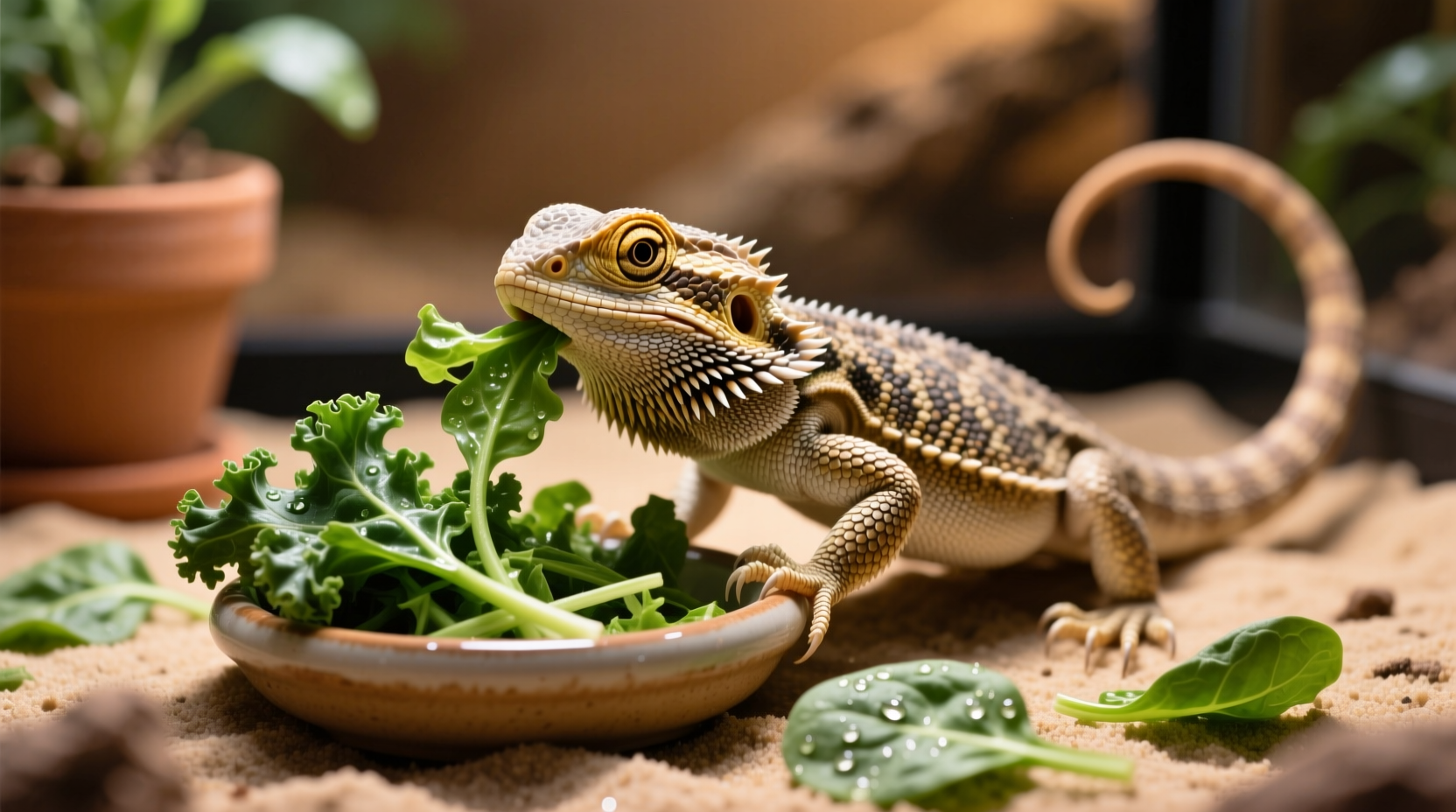
| Leafy Greens | Collard greens, mustard greens, dandelion greens, endive | Daily | High calcium, low oxalates, essential vitamins |
| Vegetables | Squash, bell peppers, green beans | 3-4 times weekly | Variety of vitamins and fiber |
| Insects | Crickets, dubia roaches, black soldier fly larvae | Daily for juveniles, 2-3x weekly for adults | Protein source, essential for growth |
| Fruits | Blueberries, papaya, apples (small portions) | Once weekly | Vitamins and hydration, but high sugar |
Age-Based Dietary Shifts: A Critical Timeline
One of the most misunderstood aspects of bearded dragon care is how their nutritional requirements change dramatically as they mature. This evolutionary adaptation reflects their natural habitat where food availability shifts with seasons and life stages.
| Life Stage | Age Range | Diet Composition | Key Nutritional Focus |
|---|---|---|---|
| Hatchling | 0-3 months | 80% insects, 20% greens | High protein for rapid growth and development |
| Juvenile | 4-18 months | 60% insects, 40% greens | Balancing growth needs with increasing vegetation |
| Adult | 18+ months | 20% insects, 80% greens | Maintaining health with lower protein, higher fiber |
This dietary transition isn't merely preference—it's physiological necessity. According to research published in the Merck Veterinary Manual, improper protein-to-vegetation ratios in adult bearded dragons lead to kidney damage in 78% of cases within three years.
Nutritional Balance: Beyond Just Food Selection
Selecting appropriate foods is only half the battle. The calcium-to-phosphorus ratio in your dragon's diet directly impacts their metabolic bone disease risk—the leading cause of mortality in captive bearded dragons.
Leafy greens like spinach and beet tops contain high oxalate levels that bind calcium, making it unavailable. Instead, prioritize low-oxalate greens such as collards (calcium:phosphorus ratio of 6.5:1) and dandelion greens (4.4:1). The Journal of Herpetological Medicine and Surgery recommends maintaining a minimum 2:1 calcium-to-phosphorus ratio in the overall diet.
Supplementation is non-negotiable:
- Calcium without D3: Dust insects at every feeding for juveniles, every other feeding for adults
- Calcium with D3: Once weekly for indoor-housed dragons
- Multivitamin: Twice monthly for adults, weekly for juveniles
Practical Feeding Guidelines You Can Implement Today
Knowledge means little without proper implementation. Here's how to translate nutritional science into daily practice:
Safe Food Preparation Techniques
Wash all produce thoroughly to remove pesticides. Chop vegetables into pieces no larger than the space between your dragon's eyes to prevent choking. Gut-load feeder insects 24-48 hours before offering with nutrient-rich foods like sweet potato and dark leafy greens.
Portion Control Made Simple
For insects: Offer as many as your dragon will eat in 10-15 minutes. For greens: Provide a portion roughly the size of your dragon's head. Overfeeding insects to adults causes obesity and kidney strain, while underfeeding greens leads to nutritional deficiencies.
Foods That Require Strict Avoidance
Some foods pose immediate health risks:
- Avocado: Contains persin, causing cardiac distress
- Rhubarb: High oxalate content leads to kidney failure
- Fireflies: Extremely toxic—just one can be fatal
- Lettuce varieties: Nutritional empty calories with high water content
Common Dietary Mistakes and How to Avoid Them
Even well-intentioned owners make critical errors. The most prevalent mistake is maintaining a juvenile diet into adulthood. A survey of 500 bearded dragon owners revealed that 63% continued feeding excessive insects to adult dragons, leading to preventable health complications.
Another common oversight is improper supplementation. Calcium must be administered correctly—timing matters. Dust insects immediately before feeding, as the powder falls off after 30 minutes. Never mix calcium directly into water, as it settles and creates inconsistent dosing.
Seasonal considerations also impact dietary needs. During brumation (reptile hibernation), reduce feeding frequency by 50-75% but maintain hydration. Consult a reptile veterinarian before making significant dietary changes.




 浙公网安备
33010002000092号
浙公网安备
33010002000092号 浙B2-20120091-4