
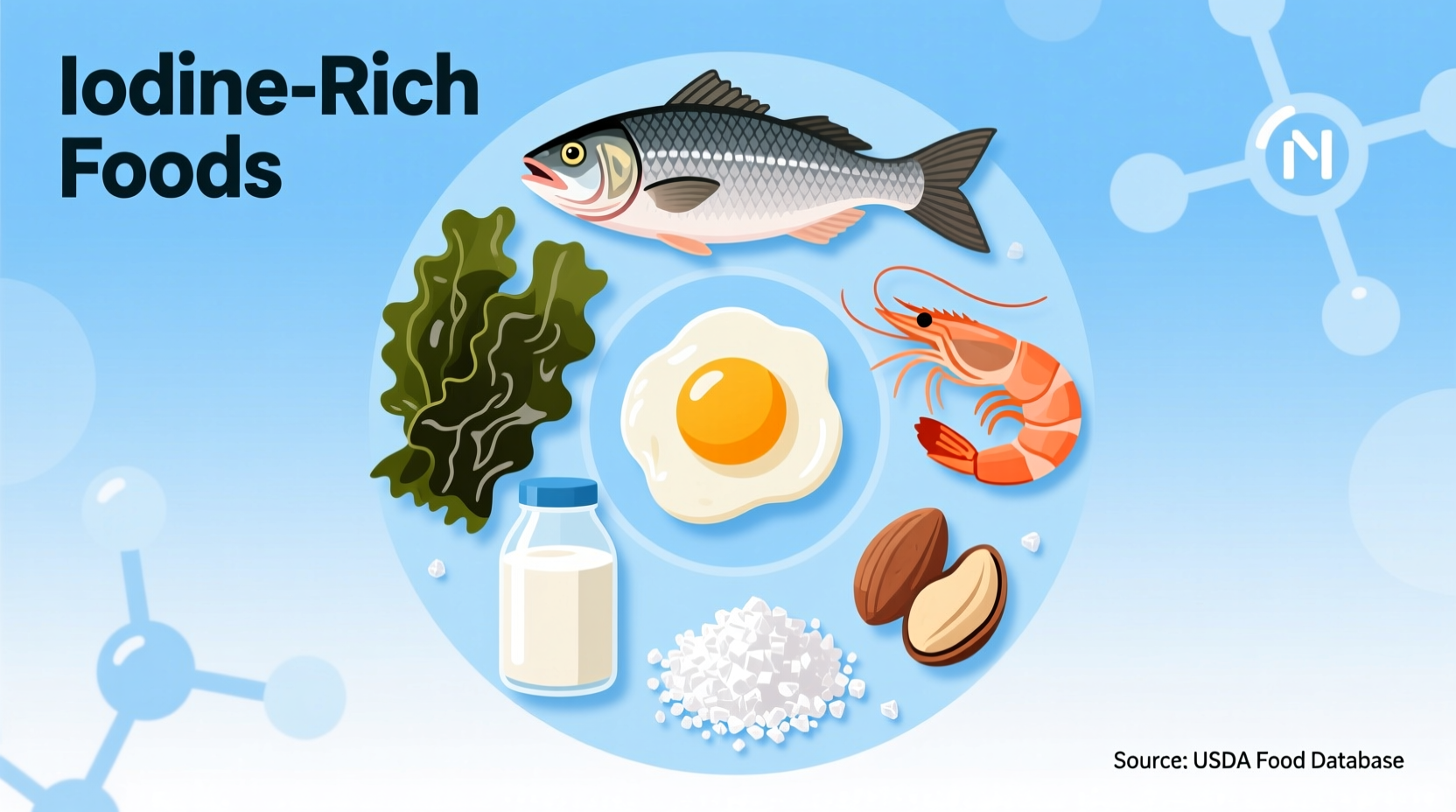
Understanding which foods contain adequate iodine is crucial for maintaining proper thyroid function and overall health. Iodine deficiency remains a significant global health concern, affecting nearly 2 billion people worldwide according to the World Health Organization. This comprehensive guide details the most reliable dietary sources of iodine, helping you make informed choices for optimal nutrition.
Why Iodine Matters for Your Health
Iodine serves as the fundamental building block for thyroid hormones that regulate metabolism, growth, and development. Without sufficient iodine, your thyroid gland cannot produce adequate amounts of T3 (triiodothyronine) and T4 (thyroxine) hormones. The National Institutes of Health states that iodine deficiency represents the world's most preventable cause of intellectual disabilities in children.
Certain populations face higher risks of iodine deficiency:
- Pregnant and breastfeeding women (require 50% more iodine)
- Vegans and strict vegetarians (limited access to animal-based sources)
- People living in regions with iodine-poor soil
- Individuals who avoid iodized salt
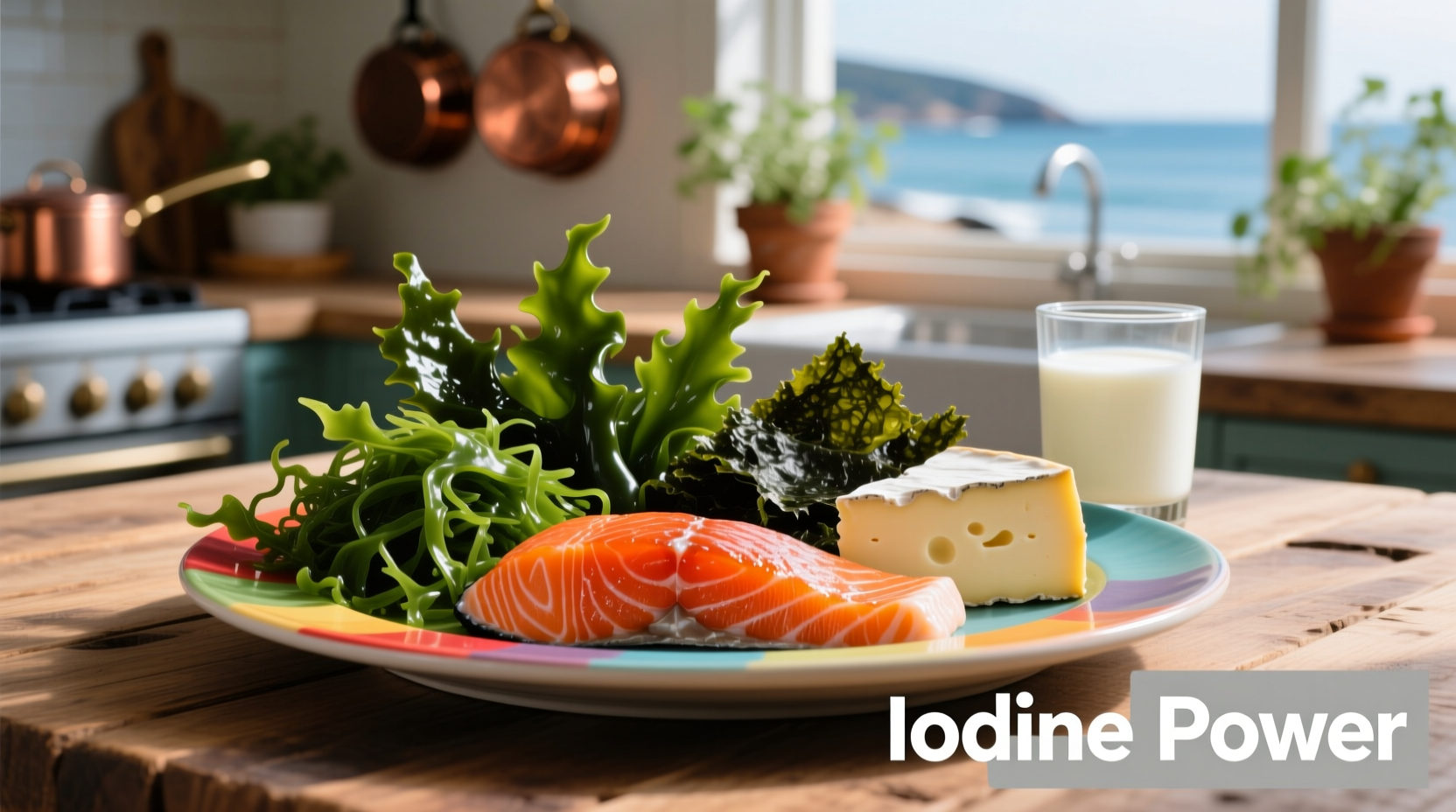
Top Dietary Sources of Iodine
Food iodine content varies significantly based on soil conditions, farming practices, and processing methods. The following table presents verified iodine levels from USDA FoodData Central and National Health and Nutrition Examination Survey data:
| Food Source | Serving Size | Iodine Content (mcg) | % Daily Value |
|---|---|---|---|
| Raw kelp (seaweed) | 1 gram | 1,000-2,984 | 667%-1,989% |
| Cod | 3 ounces | 99 | 66% |
| Yogurt (plain, low-fat) | 1 cup | 75 | 50% |
| Milk | 1 cup | 56 | 37% |
| Shrimp | 3 ounces | 35 | 23% |
| Eggs | 1 large | 24 | 16% |
| Tuna (canned in oil) | 3 ounces | 17 | 11% |
Understanding Iodine Variability in Foods
Unlike many nutrients, iodine content in foods isn't consistent. Several factors influence how much iodine you actually consume:
Geographic Variations in Soil Content
Soil iodine levels vary dramatically worldwide. Mountainous regions like the Himalayas and Alps have particularly low soil iodine, while coastal areas generally have higher concentrations. This directly affects crops grown in these regions. According to a comprehensive study published in the Journal of Nutrition, vegetables from iodine-deficient regions may contain less than 5 mcg per serving compared to over 50 mcg in iodine-rich areas.
Processing and Preparation Methods
Cooking techniques significantly impact iodine retention. Boiling vegetables can reduce iodine content by up to 70%, while steaming preserves more nutrients. The iodine in dairy products comes primarily from iodine supplements in cattle feed and sanitizing solutions used in dairy processing, not naturally from the cows themselves.
Practical Strategies for Optimizing Iodine Intake
Meeting your daily iodine requirements doesn't require complicated dietary changes. Consider these practical approaches:
Daily Iodine-Rich Meal Plan
- Breakfast: Scrambled eggs with milk (60 mcg)
- Lunch: Tuna salad sandwich with yogurt side (70 mcg)
- Dinner: Baked cod with steamed vegetables (120 mcg)
This simple meal plan provides approximately 250 mcg of iodine—well within the recommended range for most adults.
Dietary Considerations for Special Populations
Vegans face particular challenges obtaining adequate iodine since plant-based sources are limited and inconsistent. Seaweed represents the most reliable vegan source, but portions must be carefully measured as iodine levels can exceed safe limits. The American Thyroid Association recommends that pregnant women consume 220 mcg daily and breastfeeding women 290 mcg, making iodine awareness especially critical during these life stages.
When Iodized Salt Makes Sense
Iodized table salt remains one of the most effective public health interventions against iodine deficiency. A quarter teaspoon contains approximately 71 mcg of iodine. However, not all salt is iodized—sea salt, kosher salt, and specialty salts typically contain minimal iodine. The global implementation of iodized salt programs has reduced iodine deficiency disorders by 50% since 1990 according to WHO data.
Recognizing Iodine Deficiency Symptoms
Early signs of iodine deficiency often go unnoticed but may include:
- Unexplained weight gain
- Feeling colder than others
- Fatigue and weakness
- Dry skin and hair loss
- Difficulty concentrating
Severe deficiency can lead to goiter (thyroid enlargement) and, in pregnant women, developmental issues in babies. If you suspect deficiency, consult a healthcare provider rather than self-supplementing, as excessive iodine can also cause thyroid problems.
| Life Stage | Recommended Daily Intake (mcg) | Upper Limit (mcg) |
|---|---|---|
| Adults (19+ years) | 150 | 1,100 |
| Pregnant women | 220 | 1,100 |
| Breastfeeding women | 290 | 1,100 |
| Children (1-8 years) | 90 | 600 |
These recommendations come directly from the National Institutes of Health Office of Dietary Supplements, reflecting current scientific consensus on adequate iodine intake across different life stages.
Seaweed Consumption Guidelines
While seaweed offers exceptional iodine content, portions require careful attention. A single sheet of nori contains just 16-43 mcg, making it safe for regular consumption. However, just 5 grams of kombu kelp can contain over 1,800 mcg—more than 12 times the daily recommended amount. The European Food Safety Authority advises limiting kelp consumption to no more than once weekly due to potential iodine overload risks.




 浙公网安备
33010002000092号
浙公网安备
33010002000092号 浙B2-20120091-4