
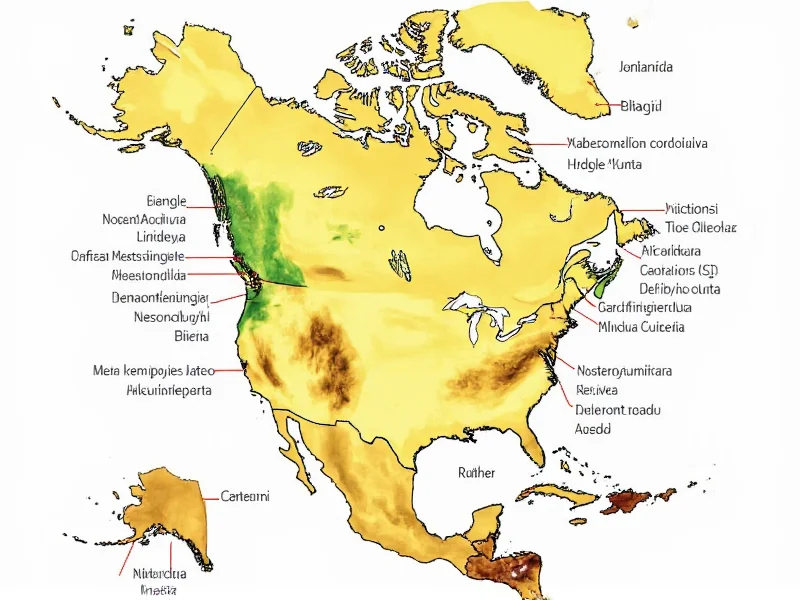
Understanding North America's indigenous food heritage reveals a rich culinary tradition that shaped global cuisine. Before European colonization, Indigenous peoples developed sophisticated agricultural systems and foraging practices that sustained communities for thousands of years. These native foods weren't just sustenance—they formed the foundation of cultural traditions, spiritual practices, and ecological knowledge that continue to influence modern food systems.
Historical Significance of Indigenous Food Systems
The agricultural innovations of Native American societies represent some of history's most significant food developments. Mesoamerican civilizations domesticated maize (corn) approximately 9,000 years ago, transforming it from a wild grass called teosinte into the staple crop that would feed civilizations across the continent. This agricultural revolution enabled the development of complex societies throughout North America, from the Mississippian mound builders to the Pueblo peoples of the Southwest.
Indigenous food systems demonstrated remarkable sustainability. The Three Sisters planting method—growing corn, beans, and squash together—created a self-sustaining ecosystem where each plant supported the others. Corn provided structure for beans to climb, beans fixed nitrogen in the soil, and squash leaves shaded the ground to retain moisture and prevent weeds. This sophisticated agricultural technique exemplifies the deep ecological understanding possessed by Native American cultures.
While revolutionary, the Three Sisters method had contextual limitations. It thrived in regions with moderate rainfall (30-40 inches annually) and fertile soils but required significant adaptation in arid or northern climates. In the Southwest, Indigenous farmers integrated the system with canal irrigation, while northern communities like the Haudenosaunee used fish remains to enrich soil nitrogen levels. As documented by the University of Minnesota Extension, attempting this method outside its ecological parameters without such adaptations often led to crop failure (Three Sisters Planting Guide).
Major Native Plant Foods of North America
North America's botanical diversity provided Indigenous peoples with an extensive range of edible plants. These foods varied significantly by region, reflecting the continent's diverse ecosystems from Arctic tundra to tropical forests.
| Food Category | Native Species | Primary Regions | Traditional Uses |
|---|---|---|---|
| Grains & Seeds | Corn (Maize), Amaranth, Sunflower, Chenopodium | Throughout North America | Staple foods, ceremonial uses, oil production |
| Legumes | Various beans, Mesquite pods | Southwest, Eastern Woodlands | Protein source, stored for winter |
| Fruits | Blueberries, Cranberries, Strawberries, Persimmons | Northeast, Southeast, Pacific Northwest | Fresh consumption, drying, medicinal uses |
| Vegetables | Squash, Pumpkins, Jerusalem Artichoke | Throughout North America | Staple foods, stored for winter |
| Nuts & Seeds | Pecans, Walnuts, Acorns, Pine Nuts | Regional across continent | Protein and fat sources, ceremonial foods |
Source: National Park Service, Traditional Foods of Indigenous Peoples
Evolution of Indigenous Food Systems: Key Milestones
Indigenous agricultural practices evolved over millennia through careful observation and adaptation. Here are pivotal developments in North American food systems:
- 9,000 years ago: Maize domestication begins in southern Mexico, transforming teosinte into a staple crop. This innovation eventually spread across the continent, enabling the rise of complex societies. (Smithsonian National Museum of Natural History)
- 5,000 years ago: Eastern Agricultural Complex develops in North America, featuring indigenous domestication of sunflowers, goosefoot, and squash. (National Park Service)
- 1,200 years ago: Advanced irrigation systems appear in the Southwest, allowing Pueblo communities to cultivate maize in arid conditions. (National Park Service - Grand Canyon)
- 500 years ago: Three Sisters agriculture reaches its peak efficiency in the Eastern Woodlands, supporting large populations through sustainable polyculture. (National Park Service Lesson Plan)
Regional Food Diversity Across Indigenous North America
North America's vast geography created distinct food cultures among Indigenous peoples. Understanding these regional variations reveals the adaptability and ingenuity of Native food systems.
Eastern Woodlands Food Traditions
The Eastern Woodlands region, stretching from the Great Lakes to the Atlantic coast, featured abundant forests and waterways that supported diverse food sources. Indigenous nations like the Haudenosaunee (Iroquois), Algonquin, and Cherokee cultivated the Three Sisters while gathering wild plants like ramps, maple sap, and berries. Wild game including deer, turkey, and small mammals supplemented their diet, while rivers and lakes provided fish and shellfish. The maple sugaring tradition, where sap is collected and boiled into syrup, represents one of North America's earliest food processing techniques.
Great Plains Food Systems
Before the introduction of horses, Plains Indigenous peoples like the Mandan and Hidatsa were skilled agriculturalists who grew corn, beans, and squash along river valleys while hunting bison on foot. The bison represented a complete food source—providing meat, organs for nutrition, bones for tools, and hides for shelter. Indigenous peoples developed sophisticated preservation techniques like pemmican (dried meat mixed with fat and berries), which could last for years and provided essential nutrition during winter months.
Southwest Agricultural Innovations
In the arid Southwest, Pueblo peoples developed advanced irrigation techniques to grow corn, beans, and squash in challenging conditions. They also cultivated unique crops like tepary beans, which are exceptionally drought-resistant. The Tohono O'odham harvested saguaro cactus fruit, creating a seasonal harvest festival that continues today. Mesquite pods provided a sweet flour source, while cholla cactus buds offered seasonal nutrition.
Pacific Northwest Abundance
The Pacific Northwest's rich marine environment supported one of the continent's most abundant food cultures. Salmon represented the cornerstone of the diet for coastal nations, with sophisticated fishing techniques and preservation methods including smoking and drying. Indigenous peoples also gathered camas bulbs, wapato (Indian potato), berries, and seaweed. The region's abundant cedar trees provided not just building materials but also edible cambium layer during lean times.
Native Animal and Protein Sources
Indigenous food systems incorporated diverse protein sources beyond plant foods. Wild game including bison, deer, elk, and smaller mammals provided essential nutrition. In the Eastern Woodlands, wild turkey was a significant protein source, while in the Southwest, rabbits and other small game supplemented diets.
Fish and seafood represented crucial protein sources for coastal and riverine communities. Salmon runs in the Pacific Northwest, sturgeon in the Great Lakes region, and shellfish along both coasts provided seasonal abundance that Indigenous peoples preserved through drying and smoking. Some communities also utilized insects as protein sources—the pine nut moth larvae were considered a delicacy by some Great Basin tribes.
Cultural Significance and Traditional Preparation Methods
Native American food traditions extended far beyond mere sustenance. Food represented spiritual connection, community bonding, and ecological knowledge. Many Indigenous cultures practiced the Seven Generations Principle, considering how food choices would impact seven generations into the future.
Traditional preparation methods demonstrated remarkable culinary sophistication. Nixtamalization—soaking corn in an alkaline solution made from wood ash or lime—improved nutritional value and made corn easier to grind. This process, developed thousands of years ago, releases niacin and prevents pellagra, a vitamin deficiency disease that later affected European settlers who adopted corn without this preparation method.
Food preservation techniques were equally advanced. Beyond pemmican and dried fish, Indigenous peoples used controlled smoking, freezing in permafrost, and underground storage pits to preserve seasonal abundance for year-round use. These methods ensured food security through winter months and lean periods.
Modern Legacy of Native American Foods
Native American foods have profoundly influenced global cuisine. Today, approximately 60-70% of the world's food crops originated in the Americas. The global significance of native North American foods became evident during the Columbian Exchange, when these ingredients transformed diets worldwide.
Consider these modern impacts:
- Corn has become the world's most produced cereal grain, essential to food systems globally
- Tomatoes, now central to Italian cuisine, originated in Mesoamerica
- Chocolate, derived from cacao, has evolved from a ceremonial Mesoamerican beverage to a global industry
- Potatoes revolutionized European agriculture and helped prevent famine
Today, there's a growing movement to reclaim and revitalize Indigenous foodways. Chefs like Sean Sherman (The Sioux Chef) are leading a culinary renaissance that celebrates pre-colonial North American ingredients. Organizations like the Native American Food Sovereignty Alliance work to restore traditional food systems and promote food security in Indigenous communities.
Understanding which foods are native to North America isn't just historical curiosity—it's essential for appreciating the sophisticated agricultural systems developed by Indigenous peoples and recognizing their ongoing contributions to global food culture. As interest in sustainable, locally adapted foods grows, these ancient food traditions offer valuable lessons for building resilient food systems.




 浙公网安备
33010002000092号
浙公网安备
33010002000092号 浙B2-20120091-4