
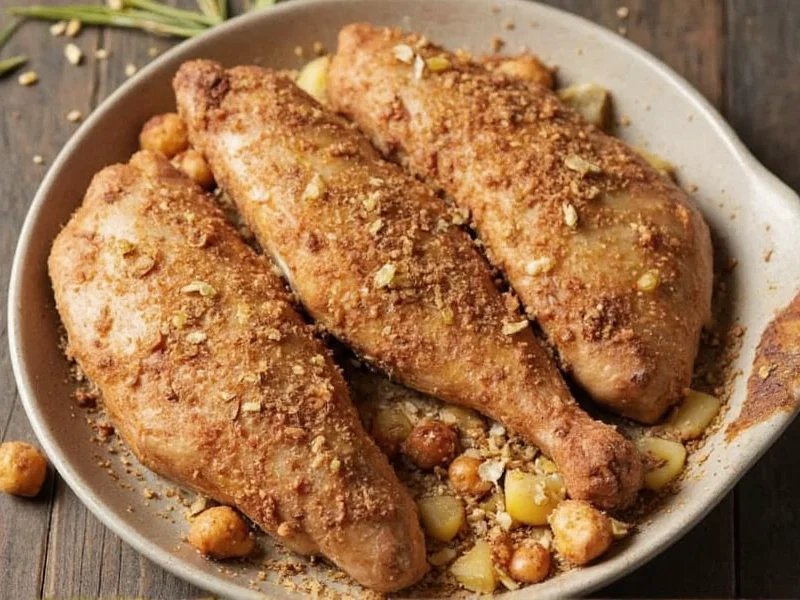
Understanding what makes dirty bird seasoning special begins with its carefully calibrated ingredient profile. This popular seasoning blend has gained traction among home cooks and professional chefs alike for its ability to transform ordinary poultry dishes into restaurant-quality meals. The magic happens through the synergistic combination of spices that work together to enhance, not mask, the natural flavor of chicken, turkey, and game birds.
Core Ingredients and Flavor Profile
While recipes vary by manufacturer and region, authentic dirty bird seasoning maintains a consistent foundation of key components. The standard ingredient list typically includes:
| Primary Ingredients | Secondary Components | Flavor Enhancers |
|---|---|---|
| Paprika (sweet or smoked) | Garlic powder | Cayenne pepper |
| Sea salt | Onion powder | Black pepper |
| Dried thyme | Dried rosemary | Mustard powder |
| Dried oregano | Dried sage | Lemon zest powder |
The distinctive "dirty" in the name refers not to actual dirt but to the rich, earthy flavor profile that develops when these ingredients combine during cooking. Unlike basic poultry seasonings, dirty bird seasoning creates a complex crust that locks in moisture while adding multiple flavor dimensions. The paprika provides color and sweetness, garlic and onion contribute savory depth, while the cayenne offers a subtle warmth that builds gradually rather than delivering immediate heat.
Optimal Culinary Applications
Mastering how to use dirty bird seasoning properly elevates your poultry cooking significantly. For best results with this versatile seasoning blend:
- Dry brining technique: Apply generously to chicken 12-24 hours before cooking, allowing the salt to penetrate while the spices meld with the meat
- Grilling enhancement: Create a paste with olive oil to prevent burning while developing a flavorful crust
- Roasting companion: Rub under the skin of whole birds for interior flavor infusion
- Air fryer optimization: Use slightly less than oven recipes since air frying concentrates flavors
Professional chefs recommend using dirty bird seasoning as more than just a surface treatment. Incorporating a small amount into stuffing, gravy, or even vegetable sides creates flavor harmony across the entire meal. When preparing game birds like pheasant or quail, reduce the salt content slightly to accommodate their more delicate flavor profiles.
Comparing Seasoning Variations
Understanding the differences between similar poultry seasonings prevents recipe mishaps. While often confused, these blends serve distinct purposes:
| Seasoning Type | Primary Flavor Notes | Best Cooking Method | Salt Content |
|---|---|---|---|
| Dirty Bird Seasoning | Earthy, moderately spicy, herbaceous | All methods, especially grilling | Medium-high |
| Standard Poultry Seasoning | Mild, herbal, slightly sweet | Roasting, baking | Medium |
| Cajun Poultry Blend | Hot, bold, spicy | Grilling, blackening | Medium |
| Herbes de Provence Mix | Floral, subtle, aromatic | Braising, slow cooking | Low |
Many home cooks wonder whether they can create a homemade dirty bird seasoning substitute. The most effective DIY approach combines equal parts paprika, garlic powder, and onion powder with half parts each of dried thyme, oregano, and black pepper, plus a quarter part cayenne. For authentic flavor, add a small amount of celery salt and dried lemon zest. This homemade dirty bird seasoning recipe delivers comparable results to commercial blends when properly balanced.
Contextual Application Boundaries
While dirty bird seasoning excels across diverse cooking methods, specific conditions require adjustments to maximize flavor and safety. Based on food science research from authoritative agricultural extensions, here are critical application boundaries:
| Cooking Context | Ideal Application | Limitations & Adjustments |
|---|---|---|
| High-heat grilling (400°F+) | Mix with oil to form paste; apply 30 minutes before cooking | Sugars in some blends caramelize rapidly above 350°F, risking bitterness. University of Illinois Extension recommends applying sugar-containing rubs during last 30 minutes of cooking (UI Extension). Dirty bird blends typically contain minimal sugar, but caution is advised for prolonged exposure. |
| Slow cooking (Crockpot) | Add during last hour of cooking for optimal flavor retention | Extended heat degrades volatile oils in herbs. As noted by the National Center for Home Food Preservation, delicate herbs lose potency after 2+ hours of simmering (NCHFP). |
| Low-sodium dietary needs | Use 1 tbsp per pound instead of 1.5-2 tbsp; supplement with acid (lemon/vinegar) | Standard blends average 250mg sodium per tsp. Per FDA dietary guidelines, this constitutes 11% of the 2,300mg daily limit per serving (FDA Sodium Guidelines). |
Nutritional Profile Comparison
Commercial poultry seasoning blends exhibit significant variation in sodium content and ingredient composition. Per FDA-mandated labeling and manufacturer specifications, the following comparison reflects standard single-serve measurements (1 teaspoon):
| Brand | Sodium (per tsp) | Notable Ingredients | Source |
|---|---|---|---|
| Slap Ya Chicken Original | 280mg | Celery salt, smoked paprika | Product Page |
| Tony Chachere's Creole Seasoning | 250mg | Chili powder, cayenne | Nutrition Facts |
| McCormick Perfect Pinch Poultry | 210mg | Turmeric, black pepper | Official Site |
Storage and Freshness Considerations
Preserving the vibrant flavor of your dirty bird seasoning requires proper storage techniques. Ground spices lose potency faster than whole spices, with seasoning blends typically maintaining peak flavor for 6-12 months. To maximize shelf life:
- Store in airtight containers away from light, heat, and moisture
- Keep away from the stove or oven where temperature fluctuations occur
- Label containers with purchase or creation date
- Refresh blends every 6 months for optimal flavor impact
When evaluating whether your dirty bird seasoning has lost potency, perform the sniff test—fresh blends should have a strong, aromatic scent. If the aroma seems weak or musty, it's time to replace the blend. For extended freshness, consider storing larger quantities in the freezer, which preserves volatile oils that deliver characteristic flavors.
Expert Usage Tips
Seasoned cooks employ several professional techniques to maximize dirty bird seasoning's potential:
- Layering flavors: Use a small amount in marinades, then reapply before cooking for depth
- Temperature timing: Add additional seasoning in the last 15 minutes of cooking for brighter flavor notes
- Vegetable pairing: Toss root vegetables with the seasoning before roasting alongside poultry
- Sauce integration: Whisk a teaspoon into pan drippings for instant gravy enhancement
When working with pre-made dirty bird seasoning blends, check the ingredient list for fillers like maltodextrin or anti-caking agents that can affect texture and flavor release. Higher quality blends typically contain only spices, herbs, and salt without unnecessary additives. For those monitoring sodium intake, look for reduced-sodium versions or create your own blend with salt substitutes.




 浙公网安备
33010002000092号
浙公网安备
33010002000092号 浙B2-20120091-4