
If you've ever wondered what makes Chilean sea bass a menu favorite at high-end restaurants, you're not alone. This comprehensive guide breaks down exactly what to expect when you taste this premium fish, helping you make informed decisions whether you're ordering at a restaurant, selecting at the market, or planning your next seafood dinner.
Understanding Chilean Sea Bass Flavor Characteristics
Chilean sea bass, scientifically known as Patagonian toothfish (Dissostichus eleginoides), delivers a distinctive culinary experience that sets it apart from other white fish options. Unlike leaner varieties such as cod, Chilean sea bass contains a higher fat content (approximately 10-15%), which directly contributes to its rich, buttery flavor profile.
The taste can be best described as mildly sweet with subtle umami notes, lacking the pronounced "fishy" flavor that deters some seafood newcomers. This moderate flavor intensity makes it an excellent gateway fish for those expanding their seafood palate while still satisfying connoisseurs who appreciate its complex undertones.
| Fish Variety | Flavor Intensity | Fat Content | Texture |
|---|---|---|---|
| Chilean Sea Bass | Moderate | 10-15% | Firm yet flaky |
| Atlantic Cod | Mild | 1-3% | Soft, delicate |
| Halibut | Moderate | 5-8% | Firm, meaty |
| Salmon | Strong | 15-20% | Rich, oily |
This comparison shows why Chilean sea bass occupies a unique position in the seafood spectrum—offering more flavor than cod but less intensity than salmon, with a texture that maintains integrity during cooking while still providing that desirable flakiness.
Texture and Mouthfeel: What Makes It Special
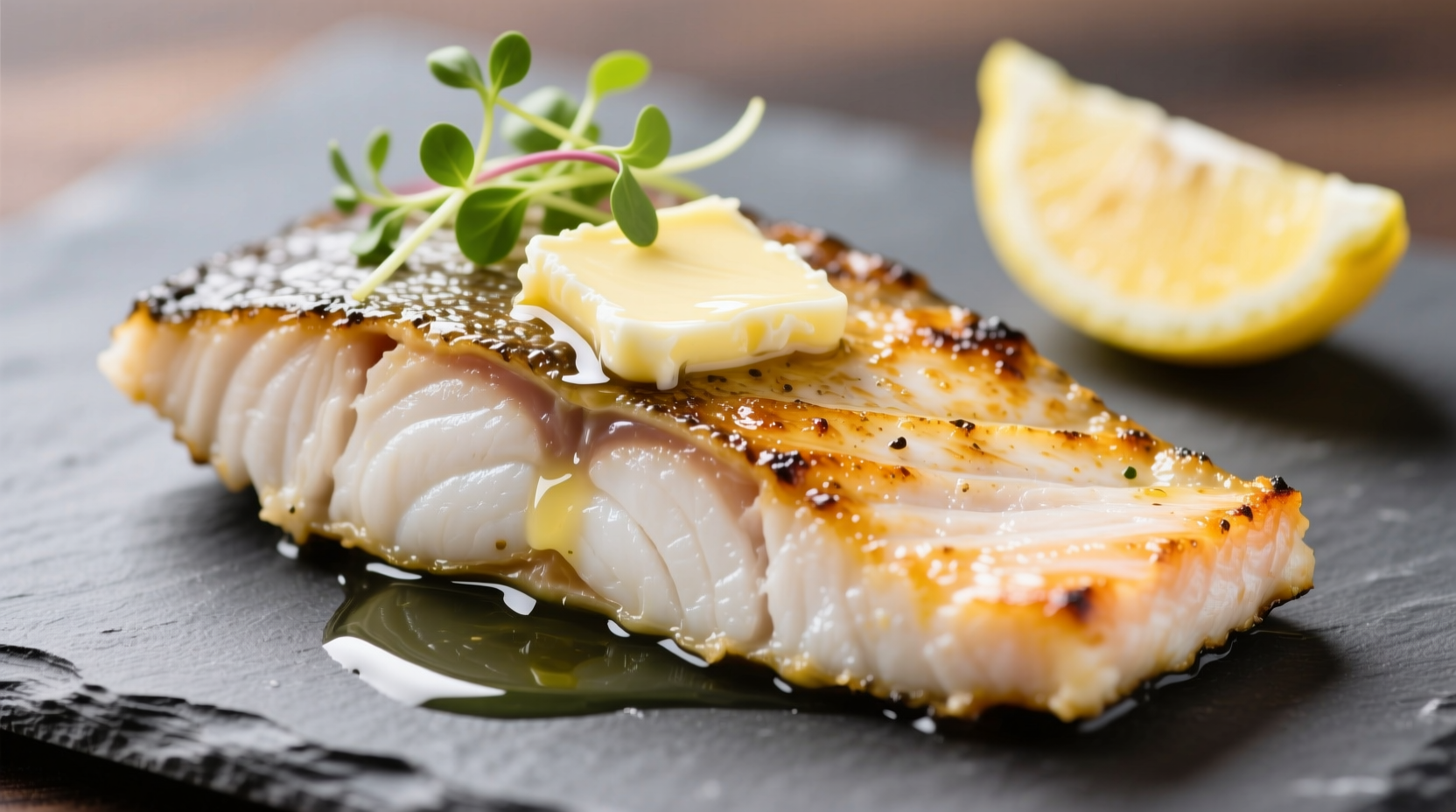
The texture of properly cooked Chilean sea bass represents one of its most distinctive qualities. When grilled or pan-seared, it develops a beautiful golden crust while maintaining a moist, snow-white interior that separates into large, satisfying flakes. Unlike more delicate fish that can become dry with slight overcooking, Chilean sea bass's higher fat content provides a forgiving margin that helps prevent dryness.
Chef Thomas Keller, renowned for his seafood expertise, notes that "Chilean sea bass has the perfect balance of fat to protein ratio that allows it to caramelize beautifully while retaining its succulence." This characteristic makes it particularly well-suited for high-heat cooking methods that would ruin more delicate fish varieties.
How Cooking Methods Affect Flavor Development
Different preparation techniques bring out various aspects of Chilean sea bass's flavor profile:
- Pan-searing creates a flavorful crust that enhances the natural buttery notes while keeping the interior moist
- Roasting at moderate temperatures (375°F) allows the fat to render slowly, resulting in a rich, melt-in-your-mouth texture
- Grilling imparts subtle smoky notes that complement rather than overwhelm the delicate flavor
- Steaming preserves the purest expression of its natural sweetness
The National Oceanic and Atmospheric Administration (NOAA) confirms that Chilean sea bass's unique composition allows it to maintain structural integrity during cooking better than many other white fish varieties, making it ideal for novice and experienced cooks alike. According to their species profile, the fish's slow growth rate in cold Antarctic waters contributes to its dense muscle structure and rich fat distribution.
Perfect Flavor Pairings for Chilean Sea Bass
Understanding what does Chilean sea bass taste like helps determine ideal accompaniments. Its moderate flavor intensity means it pairs beautifully with:
- Citrus elements (lemon, yuzu, blood orange) that cut through the richness
- Light herb sauces featuring dill, tarragon, or chervil
- Subtle spice profiles like white pepper and coriander
- Wine reductions that complement without overwhelming
Avoid overpowering the fish with heavy spices or intensely acidic components that would mask its delicate flavor. The Monterey Bay Aquarium's Seafood Watch program notes that traditional preparations in South American coastal communities often feature simple seasoning to highlight the fish's natural qualities, a practice that has influenced modern culinary approaches worldwide.
Sustainability Considerations When Choosing Chilean Sea Bass
While understanding what Chilean sea bass tastes like is important, responsible consumption matters too. Historically overfished, current management practices have improved significantly. Look for Marine Stewardship Council (MSC) certification when purchasing, which indicates sustainable harvesting practices.
According to the FDA Seafood Choices Alliance, properly managed Chilean sea bass fisheries now demonstrate recovery, though continued vigilance remains important. If sustainability is a primary concern, consider domestically farmed alternatives like Arctic char which offer a similar flavor profile with a lower environmental impact.
Common Misconceptions About Chilean Sea Bass Flavor
Several myths persist about this fish's taste characteristics:
- Myth: It has a strong fishy flavor
Reality: Its mild, buttery profile makes it one of the least "fishy" options available - Myth: It's just like cod but more expensive
Reality: The higher fat content creates a distinctly richer experience - Myth: Frozen is always inferior
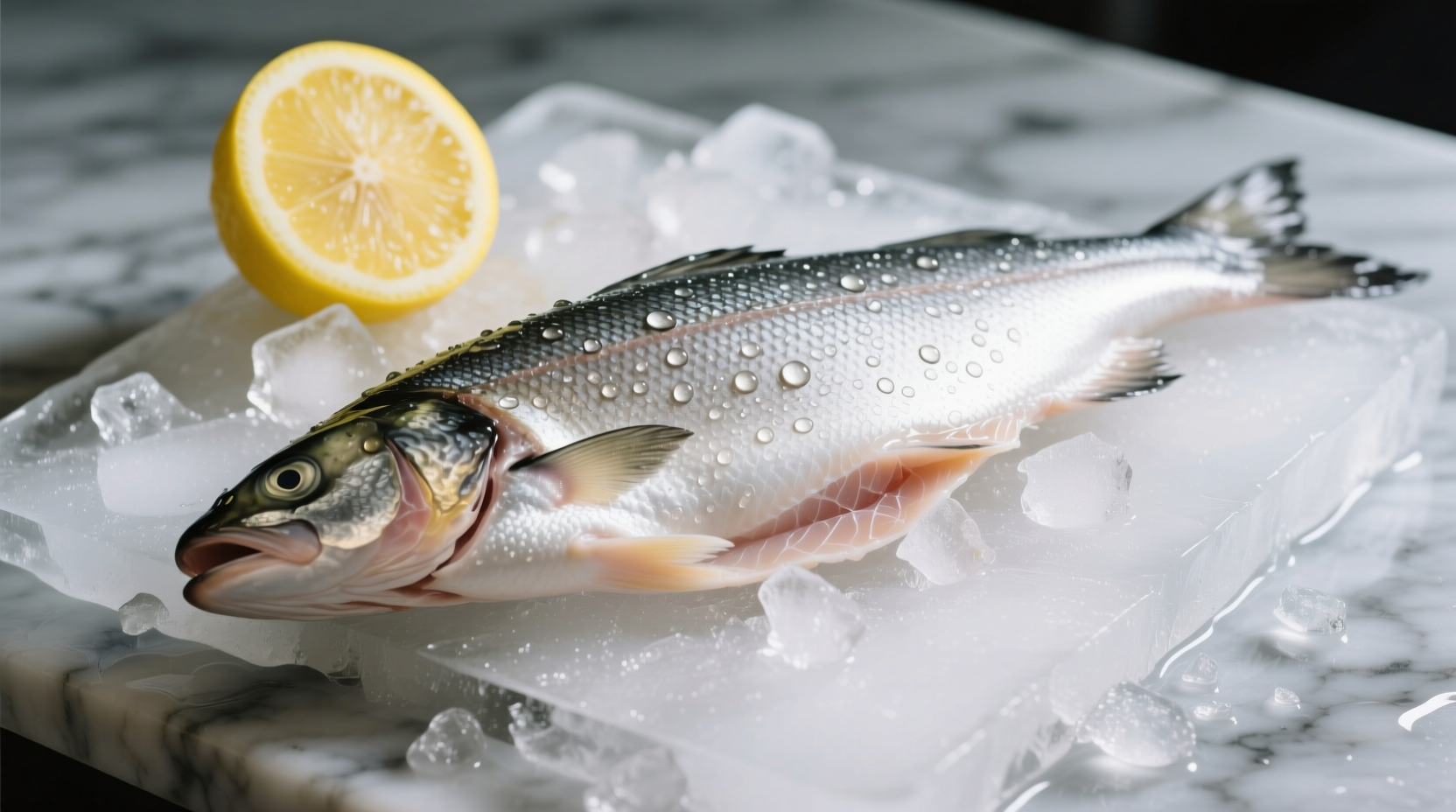
Reality: Most Chilean sea bass is flash-frozen at sea, preserving quality better than "fresh" fish transported long distances
Why Chilean Sea Bass Stands Out in Culinary Applications
Professional chefs consistently choose Chilean sea bass for special occasions because it delivers a luxurious eating experience that satisfies diverse palates. Its versatility across cooking methods means it can be featured in everything from elegant fine dining presentations to simple weeknight dinners.
When properly prepared, what does Chilean sea bass taste like transforms from a simple fish dinner into a memorable culinary experience—rich without being heavy, flavorful without being overpowering, and texturally satisfying in a way that keeps diners coming back for more. Whether you're a seafood novice or connoisseur, understanding these flavor characteristics helps you appreciate why this fish remains a perennial favorite in kitchens worldwide.




 浙公网安备
33010002000092号
浙公网安备
33010002000092号 浙B2-20120091-4