
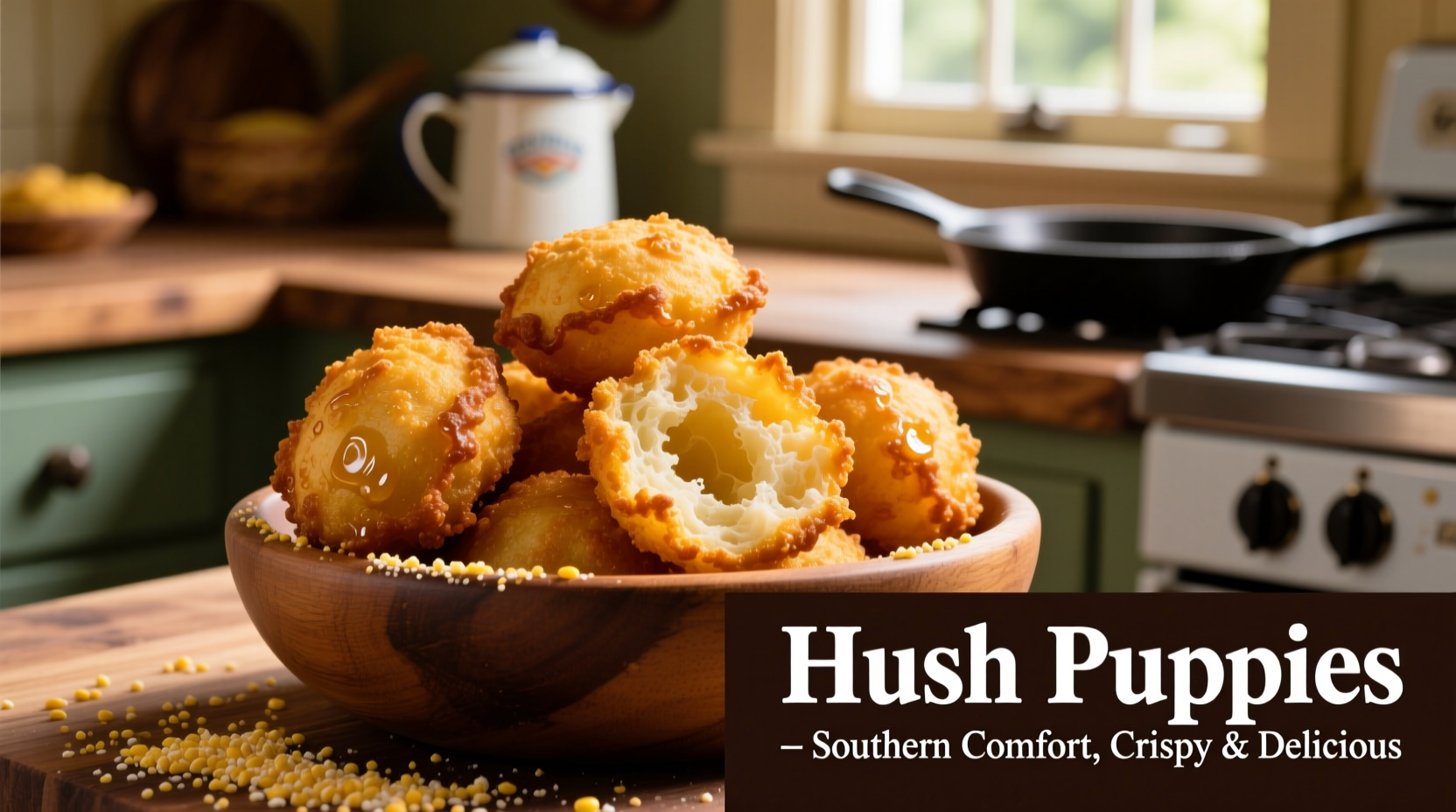
The Humble Origins of a Southern Staple
When you bite into a warm hush puppy, you're experiencing a piece of American culinary history that spans centuries. These fried cornmeal treats emerged from the resourcefulness of coastal communities in the southeastern United States, where fishermen needed a quick, portable side to accompany their catches. The earliest versions likely appeared in the late 19th century among Gullah communities in the Sea Islands of South Carolina and Georgia, where cornmeal was a dietary staple.
| Era | Development | Cultural Context |
|---|---|---|
| Late 1800s | Basic cornmeal batter fried in fish grease | Gullah communities along southeastern coast |
| Early 1900s | Addition of onions and buttermilk | Spread through African American fishing communities |
| 1940s-1950s | Commercialization and restaurant adoption | Southern roadside stands and seafood restaurants |
| Present Day | Regional variations and gourmet interpretations | Nationwide popularity with creative adaptations |
What Actually Goes Into Authentic Hush Puppies
The magic of hush puppies lies in their simple yet precise ingredient balance. Traditional recipes call for stone-ground yellow cornmeal that provides a distinctive texture and nutty flavor compared to finely ground varieties. The batter typically maintains a 2:1 ratio of cornmeal to flour, with buttermilk adding tang and tenderness. Finely diced yellow onions are essential—not just for flavor but for creating those characteristic crispy edges when fried.
Professional chefs emphasize three critical factors for perfect hush puppies:
- Batter consistency - thick enough to hold shape but fluid enough to drop easily
- Frying temperature - consistently 365-375°F (185-190°C) for proper cooking
- Fat selection - traditionally fish grease, now often peanut or vegetable oil
Regional Variations Across America
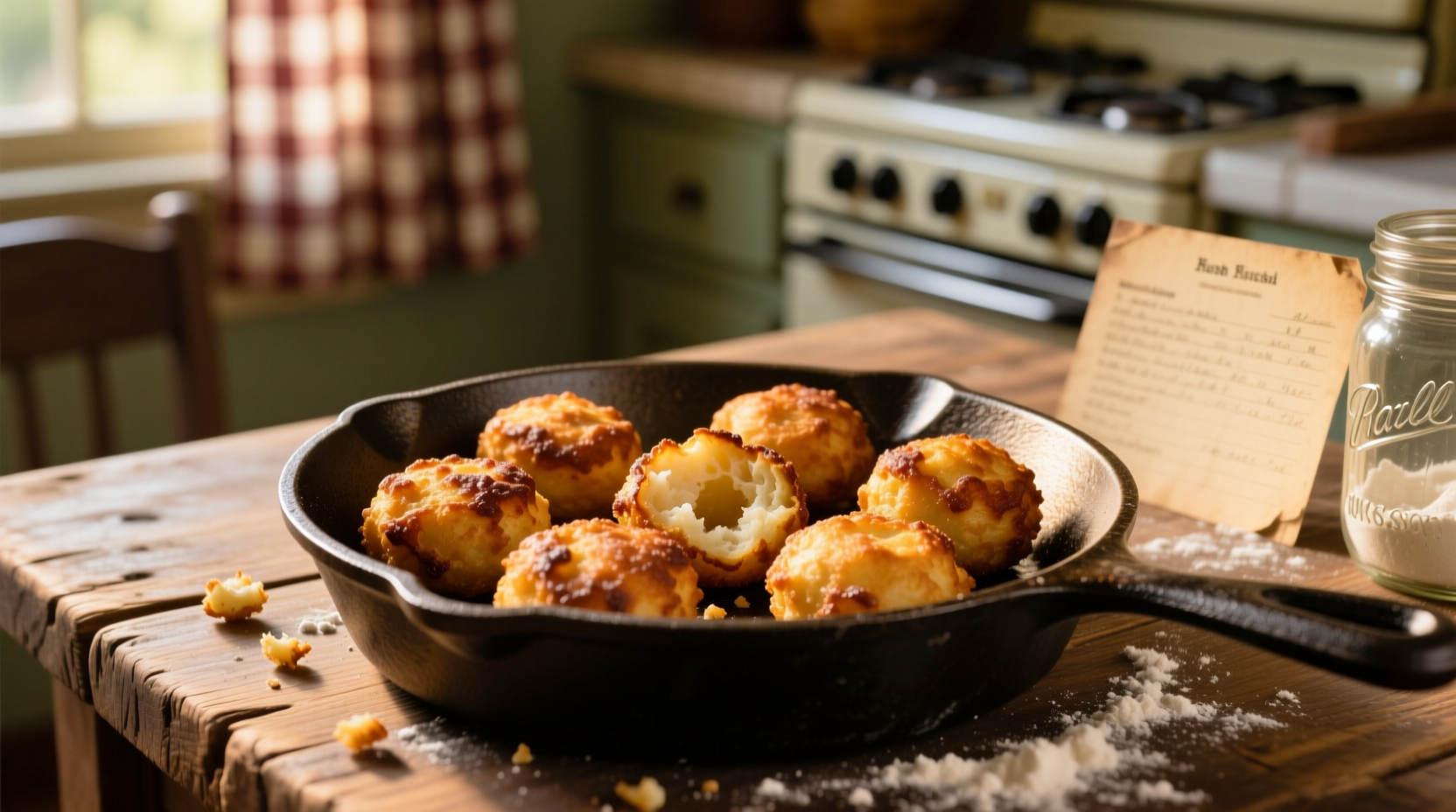
While the basic concept remains consistent, hush puppies transform dramatically across different regions:
Gulf Coast Style: Larger, football-shaped versions often containing corn kernels and jalapeños, fried in fish oil for distinctive flavor. Served alongside boiled shrimp and crawfish.
Lowcountry Tradition: Smaller, rounder versions using white cornmeal and minimal flour, reflecting Gullah heritage. Often include bits of fried fish in the batter for extra flavor.
Midwest Adaptation: Sometimes baked rather than fried, with added cheese or bacon. Typically served with barbecue rather than seafood.
Understanding these regional differences helps explain why you might encounter vastly different interpretations when ordering hush puppies across the country. The dish's versatility has allowed it to maintain cultural relevance while adapting to local preferences.
When Hush Puppies Shine: Perfect Pairings and Occasions
Hush puppies aren't just another side dish—they serve specific culinary purposes that explain their enduring popularity. Their slightly sweet, corn-forward flavor profile creates the ideal counterpoint to rich, oily seafood. The texture contrast between crispy exterior and tender interior complements the flakiness of fried fish perfectly.
You'll most commonly encounter hush puppies in these contexts:
- Seafood restaurants, particularly along the Atlantic and Gulf coasts
- Fish fries and community gatherings in Southern states
- Barbecue joints, especially in regions where seafood and barbecue traditions overlap
- Festivals celebrating local seafood harvests
Notably, hush puppies rarely appear in formal dining settings—they're fundamentally a casual, communal food meant for sharing. Their portability made them ideal for fishermen needing quick sustenance, and that practicality continues to define their place in American food culture.
Bringing Hush Puppies to Your Kitchen
Creating authentic hush puppies at home requires attention to detail but remains accessible to cooks of all skill levels. Start with fresh, high-quality cornmeal—ideally stone-ground for optimal texture. Many Southern chefs recommend letting the batter rest for 15-20 minutes before frying, allowing the cornmeal to fully hydrate.
The frying process demands particular care:
- Use a deep, heavy pot to maintain consistent oil temperature
- Test with a small batter drop before committing the whole batch
- Fry in small batches to prevent temperature drops
- Drain on wire racks rather than paper towels for maximum crispness
For best results, serve immediately after frying—hush puppies don't reheat well due to their delicate texture. If you must prepare ahead, keep the uncooked batter chilled and fry just before serving.




 浙公网安备
33010002000092号
浙公网安备
33010002000092号 浙B2-20120091-4