

Starting your day with the right foods sets the tone for your entire day. According to the USDA Dietary Guidelines, a nutritious breakfast should include foods from multiple food groups to provide balanced nutrition. But with so many options and conflicting advice, how do you choose what's truly healthy?
Why Your Breakfast Choices Matter
Research from the American Heart Association shows that people who regularly eat nutrient-dense breakfasts have better overall diet quality, improved metabolic health, and are less likely to develop chronic conditions. The key isn't just eating breakfast—it's choosing foods that provide sustained energy without blood sugar spikes.
The Healthy Breakfast Framework: 3 Essential Components
Instead of focusing on single "superfoods," nutrition experts recommend building breakfasts with these three essential components:
| Component | Why It Matters | Top Food Sources |
|---|---|---|
| Protein (15-25g) | Stabilizes blood sugar, reduces cravings, supports muscle maintenance | Eggs, Greek yogurt, cottage cheese, tofu, nuts, seeds |
| Fiber (5-10g) | Promotes digestive health, keeps you full longer, feeds beneficial gut bacteria | Oats, berries, chia seeds, flaxseeds, whole grain bread, vegetables |
| Healthy Fats | Supports brain function, enhances nutrient absorption, provides sustained energy | Avocado, nuts, seeds, olive oil, fatty fish |
Top Healthy Breakfast Options for Different Needs
Quick & Easy Options for Busy Mornings
When time is limited, these nutrient-dense options take 5 minutes or less:
- Greek yogurt parfait with berries and a sprinkle of nuts (20g protein, 6g fiber)
- Overnight oats prepared with chia seeds and almond milk (10g protein, 8g fiber)
- Avocado toast on whole grain bread with a sprinkle of hemp seeds (12g protein, 7g fiber)
High-Protein Choices for Active Lifestyles
For those focused on fitness or blood sugar management, these options deliver substantial protein:
- Scrambled eggs with spinach and feta (22g protein, 4g fiber)
- Protein smoothie with unsweetened almond milk, protein powder, and frozen berries (30g protein, 7g fiber)
- Cottage cheese with sliced peaches and walnuts (25g protein, 3g fiber)
Evolution of Breakfast Nutrition Recommendations
Nutrition science has evolved significantly in understanding what makes a healthy breakfast. According to research published in The American Journal of Clinical Nutrition, recommendations have shifted from simple calorie counting to emphasizing food quality and nutrient density:
- 1980s-1990s: Focus on low-fat options (often high in refined carbs and sugar)
- 2000s: Emphasis on whole grains and fiber
- 2010s: Recognition of protein's importance for satiety and metabolic health
- 2020s: Holistic approach focusing on balanced macronutrients, gut health, and food quality
Common Breakfast Pitfalls to Avoid
Many foods marketed as "healthy" actually contain hidden sugars and refined carbohydrates. Watch out for these common traps:
| "Healthy" Claim | Reality Check | Better Alternative |
|---|---|---|
| Flavored yogurt | Often contains 20-30g added sugar (equivalent to dessert) | Plain Greek yogurt with fresh fruit |
| Granola | Typically high in sugar and calories despite "natural" claims | Oatmeal with nuts and seeds |
| Fruit juice | Lacks fiber, causes blood sugar spikes (equivalent to soda) | Whole fruit with protein source |
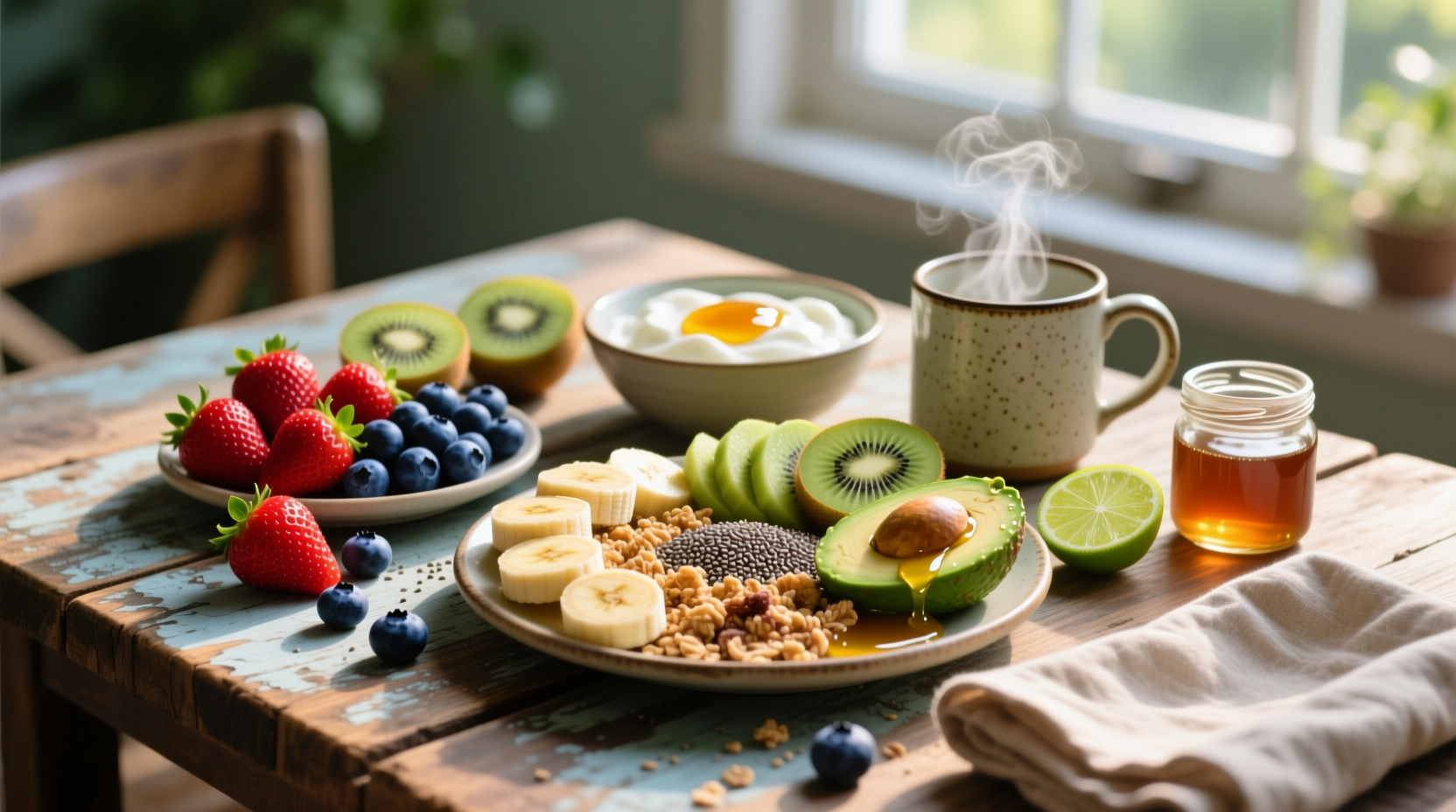
Building Your Perfect Healthy Breakfast
Creating balanced morning meals doesn't need to be complicated. Follow this simple formula:
- Choose your protein base: Eggs, Greek yogurt, cottage cheese, or plant-based alternatives
- Add fiber-rich carbohydrates: Whole grains, fruits, or vegetables
- Include healthy fats: Nuts, seeds, avocado, or olive oil
- Season with flavor boosters: Cinnamon, vanilla, herbs, or spices (avoid added sugars)
For those with specific dietary needs:
- For blood sugar control: Prioritize protein and fiber while limiting fruit to one serving
- For digestive health: Include fermented foods like kefir or sauerkraut alongside fiber
- For time-pressed mornings: Prepare components in advance (hard-boiled eggs, pre-portioned smoothie packs)
Remember that context matters—what works for an athlete may differ from what's ideal for someone managing diabetes. According to the Harvard T.H. Chan School of Public Health, the best breakfast is one that fits your individual health needs, preferences, and lifestyle.
Practical Tips for Sustainable Healthy Eating
Transitioning to healthier breakfast habits doesn't require perfection. Start with these evidence-based strategies:
- Make small swaps: Replace sugary cereal with plain oats
- Batch prepare components: Cook a week's worth of hard-boiled eggs or steel-cut oats
- Keep healthy staples stocked: Frozen berries, nuts, seeds, and whole grain bread
- Listen to your body: Eat when hungry, stop when satisfied—not by the clock
Frequently Asked Questions
What's the healthiest breakfast for weight loss?
The healthiest breakfast for weight loss combines protein, fiber, and healthy fats to promote satiety. Research shows that eggs, Greek yogurt, and oatmeal with added protein sources help reduce overall calorie intake throughout the day by keeping you full longer compared to carbohydrate-heavy options.
Is skipping breakfast healthy?
For most people, regular breakfast consumption supports better metabolic health and more balanced eating patterns throughout the day. However, individual responses vary—some people thrive with intermittent fasting approaches. The key is listening to your body's hunger signals and ensuring you're getting adequate nutrition overall, whether you eat breakfast or not.
How much protein should I have at breakfast?
Aim for 15-25 grams of protein at breakfast to support satiety and muscle maintenance. This amount has been shown in studies published in The Journal of Nutrition to optimize metabolic benefits. Good sources include two large eggs (12g protein), ¾ cup Greek yogurt (15-20g), or 2 tablespoons of chia seeds (4g) combined with other protein sources.
Are smoothies a healthy breakfast option?
Smoothies can be healthy when properly balanced with protein, fiber, and healthy fats. Avoid fruit-only smoothies, which lack protein and can spike blood sugar. Instead, include a protein source (Greek yogurt, protein powder), healthy fats (avocado, nut butter), and limit fruit to one serving while adding vegetables like spinach for extra nutrients without excess sugar.
What are the best healthy breakfast foods for people with diabetes?
For diabetes management, focus on high-protein, high-fiber breakfasts with minimal added sugars. Excellent options include scrambled eggs with vegetables, Greek yogurt with nuts and limited berries, or avocado toast on whole grain bread. The American Diabetes Association recommends including 15-30g of protein and 5-10g of fiber while monitoring carbohydrate content to maintain stable blood sugar levels.




 浙公网安备
33010002000092号
浙公网安备
33010002000092号 浙B2-20120091-4