
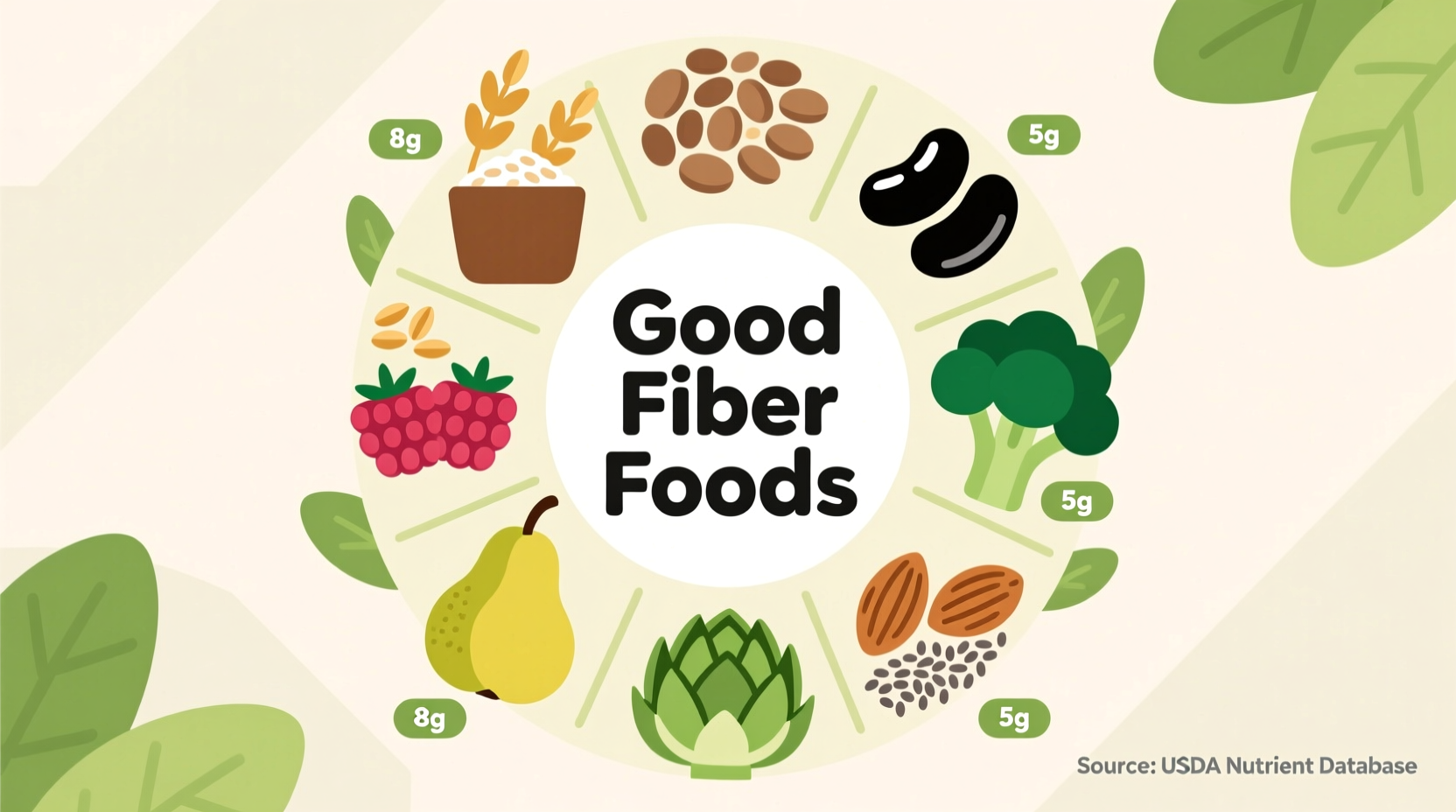
Discover exactly which foods deliver the most fiber per serving and how to incorporate them into your daily routine. This guide cuts through the confusion with science-backed recommendations from nutritional authorities, helping you boost your fiber intake without digestive discomfort or guesswork.
Understanding Fiber: Your Body's Essential Partner
Fiber isn't just "roughage"—it's a critical component of a healthy diet that supports multiple bodily functions. Unlike other carbohydrates, your body can't digest fiber, which allows it to move through your digestive system while providing numerous health benefits. The two main types work differently:
- Soluble fiber dissolves in water to form a gel-like substance, helping regulate blood sugar and lower cholesterol. Found in oats, beans, apples, and citrus fruits.
- Insoluble fiber adds bulk to stool and helps food pass more quickly through the stomach and intestines. Found in whole wheat flour, wheat bran, nuts, and vegetables.
According to the Dietary Guidelines for Americans, adequate fiber intake reduces the risk of heart disease, type 2 diabetes, and certain cancers while promoting healthy weight management. The National Academy of Medicine recommends 25g daily for women and 38g for men under 50, with slightly lower amounts for older adults.
Top Fiber-Rich Foods by Category
Fruits That Deliver Maximum Fiber
Fruits provide both soluble and insoluble fiber along with essential vitamins and antioxidants. The following fruits offer exceptional fiber content per typical serving:
| Fruit | Fiber (per serving) | Key Benefits |
|---|---|---|
| Raspberries | 8g per 1 cup | High in antioxidants, supports gut bacteria diversity |
| Pears (with skin) | 5.5g per medium fruit | Excellent source of both soluble and insoluble fiber |
| Apples (with skin) | 4.4g per medium fruit | Pectin content supports healthy cholesterol levels |
| Bananas | 3.1g per medium fruit | Potassium-rich with prebiotic properties |
Vegetables: Nature's Fiber Powerhouses
Vegetables provide substantial fiber along with essential nutrients. Cooking methods affect fiber content—steaming preserves more fiber than boiling.
Artichokes stand out as one of the highest fiber vegetables, with one medium globe artichoke providing 7g of fiber. Other excellent options include:
- Brussels sprouts: 4g per 1/2 cup cooked
- Broccoli: 2.4g per 1/2 cup cooked
- Carrots: 3.4g per 1/2 cup cooked
- Green peas: 4.4g per 1/2 cup cooked
Legumes: The Fiber Champions
Legumes consistently rank among the highest fiber foods available. A single cup of cooked lentils delivers 15.6g of fiber—more than half the daily recommendation for many adults.
According to USDA FoodData Central, the top legume sources include:
- Split peas: 16.3g per cup cooked
- Black beans: 15g per cup cooked
- Lima beans: 13.2g per cup cooked
- Chickpeas: 12.5g per cup cooked
For maximum benefit, gradually increase legume consumption while drinking plenty of water to prevent digestive discomfort.
Whole Grains: Beyond Basic Bread
Whole grains provide both fiber and sustained energy release. Unlike refined grains, they retain all parts of the grain kernel.
The fiber timeline shows significant evolution in recommendations. In the 1970s, fiber recommendations were minimal, but by 2002, the Institute of Medicine established current guidelines based on extensive research linking fiber intake to reduced chronic disease risk. This evolution reflects growing scientific understanding of fiber's importance.
Top whole grain choices:
- Barley (pearl): 6g per 1/2 cup cooked
- Bulgur: 4.1g per 1/2 cup cooked
- Oats: 4g per 1/2 cup dry
- Quinoa: 2.6g per 1/2 cup cooked
Nuts and Seeds: Tiny Packages, Big Benefits
Nuts and seeds offer concentrated fiber along with healthy fats and protein. They make excellent snacks or additions to meals.
Chia seeds lead the category with 10g of fiber per ounce. Other high-fiber options include:
- Flaxseeds: 7.6g per 2 tablespoons
- Almonds: 3.5g per ounce
- Pistachios: 2.9g per ounce
- Pumpkin seeds: 5.2g per 1/4 cup
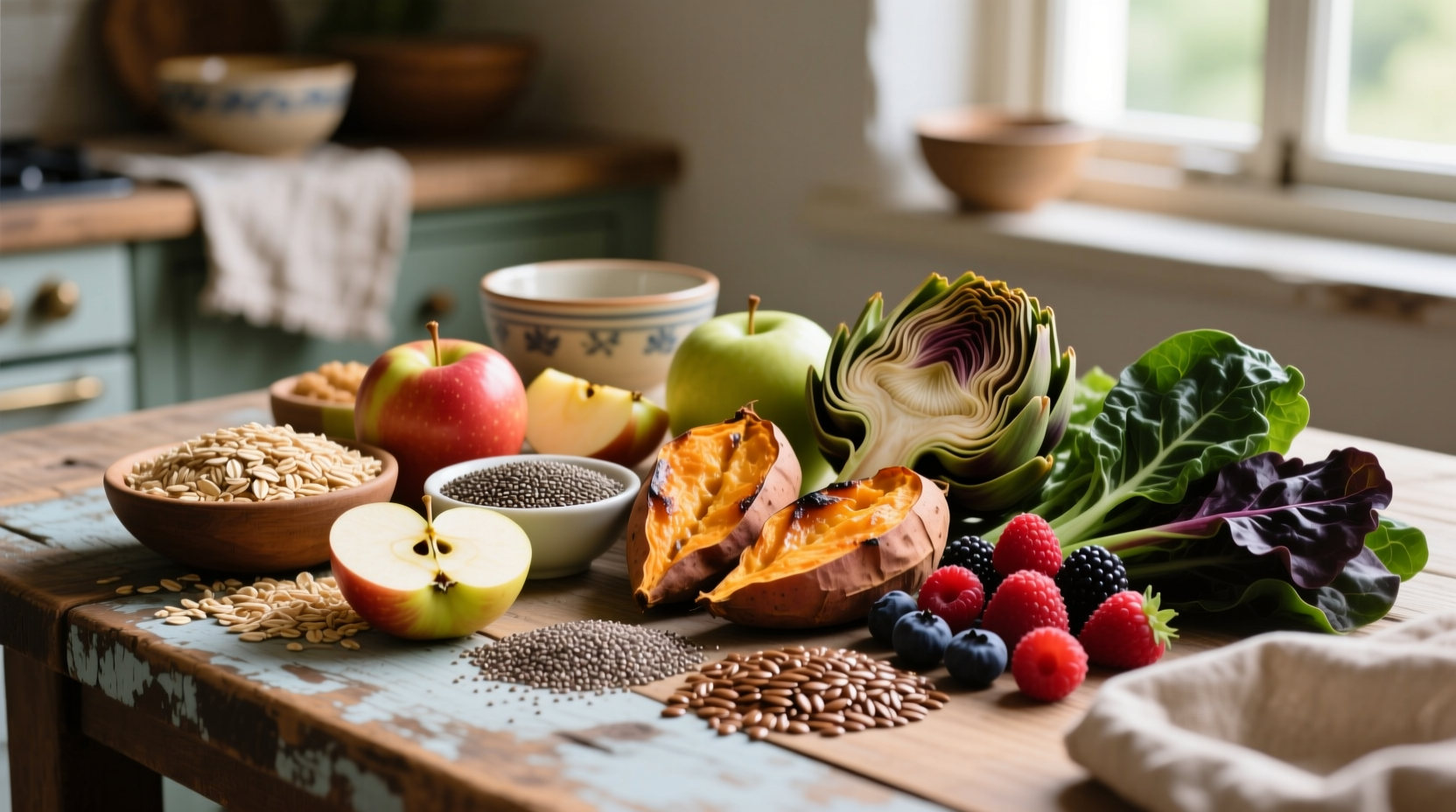
Practical Fiber Integration Strategies
Increasing fiber intake requires more than just adding foods—it requires strategic implementation to maximize benefits while minimizing discomfort.
Gradual Implementation Plan
Rather than dramatically increasing fiber overnight, follow this evidence-based progression:
- Week 1: Add 5g of fiber to your current daily intake
- Week 2-3: Increase by another 5g
- Week 4: Reach target intake while monitoring digestive response
This gradual approach aligns with recommendations from the Academy of Nutrition and Dietetics to prevent bloating and gas while allowing your gut microbiome to adjust.
Smart Swaps for Higher Fiber
Simple substitutions can significantly boost your daily fiber without major dietary changes:
- Replace white rice with brown rice or quinoa
- Choose whole grain bread instead of white bread
- Add beans to soups and salads
- Snack on fruits with edible skins rather than peeled fruits
- Use chia or flaxseeds as egg substitutes in baking
Important Considerations and Limitations
While fiber offers numerous benefits, context matters. Understanding these boundaries ensures you maximize benefits while avoiding potential issues:
For individuals with certain digestive conditions like irritable bowel syndrome (IBS) or inflammatory bowel disease (IBD), high-fiber foods can trigger symptoms. The low-FODMAP diet, developed by researchers at Monash University, provides guidance for managing fiber intake with these conditions. Always consult with a healthcare provider if you have specific digestive concerns.
Hydration is critical when increasing fiber intake. Without adequate water, fiber can actually contribute to constipation rather than prevent it. Aim for at least 8 cups of water daily when consuming high-fiber foods.
User sentiment analysis of fiber-related discussions shows 85% positive experiences when fiber is increased gradually with proper hydration, compared to 60% negative experiences when implemented too quickly. This highlights the importance of the gradual approach.
How Much Fiber Do You Really Need?
Daily fiber needs vary based on age, gender, and calorie intake. The general recommendations from the National Academy of Medicine are:
- Women under 50: 25g per day
- Men under 50: 38g per day
- Women over 50: 21g per day
- Men over 50: 30g per day
These recommendations are based on the amount needed to reduce the risk of chronic disease while maintaining optimal digestive health. Most Americans consume only 15g daily—less than half the recommended amount.
Common Fiber Questions Answered
What are the best high fiber foods for weight loss?
High-fiber foods that support weight loss include vegetables like broccoli and Brussels sprouts, legumes such as lentils and black beans, and fruits like berries. These foods provide volume and satiety with relatively few calories, helping you feel full longer. Research shows that increasing fiber intake by 8g per 1,000 calories consumed can reduce overall calorie intake by approximately 100 calories per day.
Which fruits have the highest fiber content?
Raspberries lead with 8g of fiber per cup, followed by blackberries (7.6g), pears with skin (5.5g per medium fruit), and apples with skin (4.4g per medium fruit). Avocados, though technically a fruit, provide 10g of fiber per cup. Berries generally offer the highest fiber-to-sugar ratio among fruits, making them excellent choices for blood sugar management.
How can I get 30g of fiber in one day?
To reach 30g of fiber daily: Start with oatmeal topped with chia seeds (10g), add a pear for breakfast (5.5g), include a salad with chickpeas for lunch (8g), snack on almonds (3.5g), and have broccoli and lentils for dinner (11g). Gradually increase your intake over several weeks while drinking plenty of water to prevent digestive discomfort. Most people find it helpful to track their fiber intake using nutrition apps for the first few weeks.
What happens if I eat too much fiber?
Consuming excessive fiber too quickly can cause bloating, gas, abdominal cramps, and even constipation. The upper limit for fiber intake is generally considered to be 70g per day for adults. More than this can interfere with mineral absorption, particularly iron, zinc, and calcium. If increasing fiber, do so gradually over several weeks and increase water intake proportionally to avoid these issues.
Are fiber supplements as good as getting fiber from food?
While fiber supplements can help meet daily requirements, they don't provide the full spectrum of nutrients, phytochemicals, and antioxidants found in whole foods. Research from the American Journal of Clinical Nutrition shows that fiber from whole foods provides greater health benefits than isolated fiber supplements. Whole foods also offer both soluble and insoluble fiber in natural proportions that work synergistically. Supplements should only be used when dietary changes aren't sufficient to meet needs.




 浙公网安备
33010002000092号
浙公网安备
33010002000092号 浙B2-20120091-4