
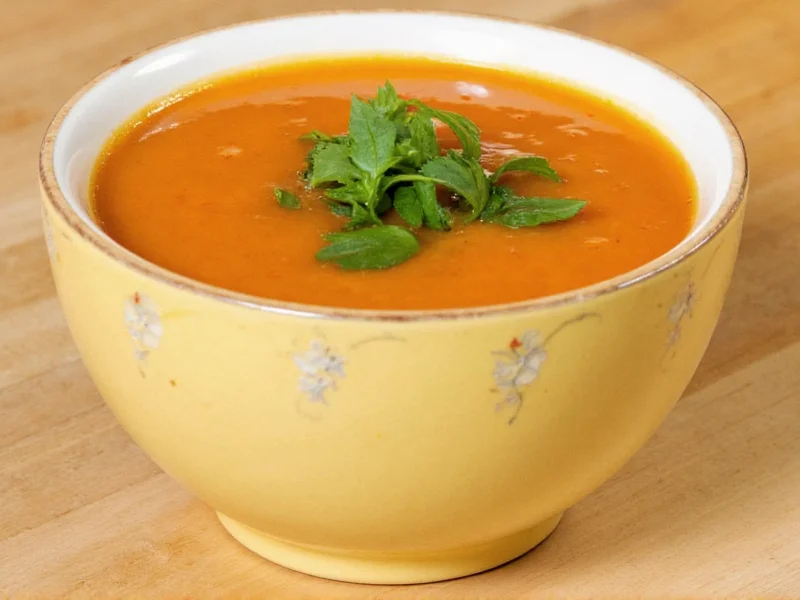
Understanding how zero-point soups work within the Weight Watchers framework is essential for effective weight management. These soups leverage the program's science-based approach to food categorization, where certain nutrient-dense, low-calorie-density foods are assigned zero points to encourage their consumption. The PersonalPoints system recognizes that some foods provide significant nutritional value with minimal impact on weight loss progress.
The Science Behind Zero-Point Soups
Weight Watchers identifies specific food categories as zero points based on their nutritional profile and satiety factor. For soups to qualify as zero points, they must primarily contain:
| Zero-Point Soup Ingredients | Why They Qualify | Preparation Tips |
|---|---|---|
| Non-starchy vegetables (broccoli, cauliflower, spinach, zucchini) | High water content, fiber-rich, low in calories | Chop finely for better texture and quicker cooking |
| Herbs and spices (basil, oregano, turmeric, cumin) | No significant calories, provide flavor without points | Add toward end of cooking to preserve flavor compounds |
| Vegetable broth (low-sodium) | Minimal calories when prepared without added fats | Check labels for hidden points from added sugars or oils |
| Garlic and onions | Nutrient-dense with minimal caloric impact | Sauté in water or broth instead of oil |
Evolution of Zero-Point Foods in Weight Watchers
The zero-point concept has evolved through evidence-based refinements since Weight Watchers' program inception. Key milestones reflect nutritional science advancements:
| Year | Program Update | Impact on Zero-Point Soups |
|---|---|---|
| 2005 | Introduction of PointsPlus system | First inclusion of select vegetables as zero-point foods, enabling basic broth-based soups |
| 2017 | Freestyle program launch | Expanded zero-point category to all non-starchy vegetables, making vegetable soups universally zero-point when prepared correctly |
| 2020 | PersonalPoints system implementation | Maintained zero-point vegetable status while adding contextual factors like saturated fat content in broths |
This progression demonstrates Weight Watchers' alignment with contemporary nutrition research, as validated by independent analysis from Harvard T.H. Chan School of Public Health (source).
Nutritional Benefits of Zero-Point Soups
These soups offer multiple advantages beyond their zero-point status. The high water content and fiber from vegetables create significant volume with minimal calories, triggering satiety signals in your brain. A peer-reviewed study in Appetite demonstrated that consuming broth-based soup before meals reduces total calorie intake by 20% during the meal through gastric distension mechanisms (Rolls et al., 2004). The slow eating pace required for hot soup also allows your body to register fullness more effectively.
Zero-point soups provide essential vitamins and minerals while keeping you hydrated. The warm temperature can be particularly satisfying during colder months, helping prevent cravings for higher-point comfort foods. For those following intermittent fasting protocols within Weight Watchers, these soups can provide nourishment during eating windows without compromising progress.
Creating Perfect Zero-Point Soups: Three Foolproof Formulas
1. Classic Vegetable Minestrone (Zero Points)
Ingredients: 1 cup diced tomatoes, 1 cup chopped zucchini, 1 cup chopped carrots, 1 cup chopped celery, 1 cup chopped onions, 3 cloves garlic, 4 cups low-sodium vegetable broth, 1 cup chopped spinach, 1 tsp Italian herbs
Method: Sauté onions and garlic in 2 tbsp water until translucent. Add remaining vegetables and broth. Simmer 20 minutes. Stir in spinach and herbs before serving. This versatile base can incorporate any approved zero-point vegetables based on seasonal availability.
2. Spicy Tomato Basil Soup (Zero Points)
Ingredients: 2 cups crushed tomatoes, 1 cup diced bell peppers, 1 cup diced onions, 3 cloves garlic, 3 cups vegetable broth, 1 cup fresh basil, 1 jalapeño (seeds removed), red pepper flakes to taste
Method: Combine all ingredients in a pot and simmer for 25 minutes. Remove jalapeño before serving. For creamier texture without points, blend half the soup and return to pot. The acidity from tomatoes helps with portion control by enhancing feelings of fullness.
3. Asian-Inspired Miso Soup (Zero Points)
Ingredients: 4 cups low-sodium vegetable broth, 1 cup sliced mushrooms, 1 cup chopped bok choy, 1 tbsp white miso paste, 1 tbsp rice vinegar, 1 tsp grated ginger, 2 green onions (sliced)
Method: Heat broth with mushrooms and ginger to just below boiling. Remove from heat, stir in miso paste and rice vinegar. Add bok choy and green onions. Never boil miso as it destroys beneficial probiotics. This umami-rich soup satisfies cravings for savory flavors without points.
Avoiding Common Zero-Point Soup Mistakes
Broth selection requires particular attention as formulation changes significantly impact point values. Verified nutritional data shows:
| Broth Type | Key Zero-Point Criteria | USDA Verification Data |
|---|---|---|
| Low-sodium vegetable broth | <10mg fat per cup, <45mg sodium per serving | Typical values: 5-10 calories, 0g fat, 140mg sodium per cup (USDA FoodData Central #170158) |
| Homemade vegetable broth | Must be fat-free with no starchy vegetables | Nutrient density varies; average 8 calories/cup but points may apply if oils used (USDA #168912) |
| "No-salt-added" broths | Check for hidden oils/sugars | Some contain 1g fat/cup from vegetable oils adding 2 points (USDA #174135) |
Additionally, avoid these common pitfalls:
- Cream or dairy: Even small amounts of milk or cream will add points. For creaminess, blend cooked cauliflower or white beans into your soup.
- Olive oil: While healthy, just 1 tsp adds points. Use water or broth for sautéing instead.
- Beans and legumes: Most count toward your points budget. Stick primarily to non-starchy vegetables for true zero-point status.
When Zero-Point Soups Require Modification
These soups aren't universally suitable without adjustments for specific health conditions:
- Irritable Bowel Syndrome (IBS): High-FODMAP ingredients like onions and garlic commonly trigger symptoms. Monash University's clinical research recommends substituting with bok choy, carrots (limited), and zucchini for low-FODMAP compliance (source).
- Kidney Disease: Potassium-restricted diets require avoiding tomato-based soups; consult renal dietitians for safe vegetable alternatives.
- Post-Bariatric Surgery: Fibrous vegetables may cause obstruction during early recovery phases; follow surgical team guidelines for modified textures.
Understanding these context boundaries ensures zero-point soups remain effective and safe across diverse health scenarios.
Strategic Use of Zero-Point Soups in Your Weight Journey
These soups work best when incorporated strategically into your eating pattern. Consuming a bowl of zero-point soup 20-30 minutes before your main meal can reduce overall calorie intake by creating a sense of fullness. They're particularly effective as:
- Lunch option: Provides sustained energy without heavy calories that cause afternoon slumps
- Evening starter: Helps prevent overeating at dinner by partially satisfying hunger
- Meal replacement: On higher-point days, a substantial zero-point soup with added protein (like tofu) can serve as a complete meal
- Craving buster: The warmth and volume satisfy emotional eating triggers without derailing progress
For meal prep efficiency, make large batches of zero-point soup base and freeze in individual portions. When ready to eat, simply thaw and customize with fresh herbs or additional vegetables. This approach ensures you always have a zero-point option available, reducing the temptation to make less optimal choices when hungry.
Customizing for Dietary Preferences
Zero-point soups easily adapt to various dietary needs while maintaining their zero-point status:
- Gluten-free: Naturally compliant as long as broth is certified gluten-free
- Vegan: All basic recipes are plant-based; add tofu for protein without points
- Keto-adapted: Focus on lower-carb vegetables like leafy greens, broccoli, and cauliflower
- Spice-sensitive: Replace hot peppers with sweet bell peppers and mild herbs
The flexibility of zero-point soups makes them sustainable for long-term weight management. Unlike restrictive diets that eliminate entire food groups, this approach encourages abundant consumption of nutrient-dense foods while still providing structure through the points system.




 浙公网安备
33010002000092号
浙公网安备
33010002000092号 浙B2-20120091-4