
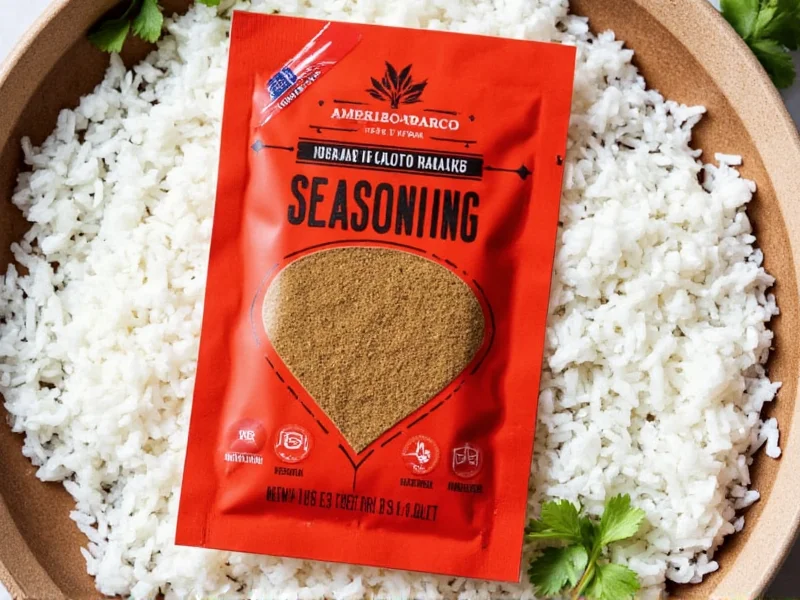
If you've ever wondered how to achieve restaurant-quality al pastor at home without sourcing dozens of individual ingredients, al pastor seasoning packets offer a convenient solution. These pre-mixed blends capture the essence of this beloved Mexican street food, traditionally made with marinated pork cooked on a vertical spit. Understanding what's inside these packets and how to use them properly can transform your home cooking experience while maintaining authenticity.
What Makes Authentic Al Pastor Flavor
Before examining seasoning packets, it's essential to understand what creates authentic al pastor flavor. Traditional al pastor originates from Lebanese immigrants in Mexico who adapted shawarma techniques using local ingredients. The distinctive taste comes from a complex marinade featuring dried chilies, achiote paste, pineapple, and spices. While purists make this from scratch, seasoning packets provide an accessible alternative for home cooks seeking consistent results.
Historical Evolution of Al Pastor Preparation
Academic research documents the culinary journey that shaped modern al pastor seasoning:
- Early 1900s: Lebanese immigrants introduce vertical spit cooking to central Mexico, substituting lamb with local pork
- 1930s: First documented integration of pineapple in Puebla, creating the sweet-tart profile
- 1950s-1960s: Standardization of achiote-based marinades in Mexico City street food
- 1970s: National recognition as distinct Mexican taco style
- 1990s-Present: Commercial seasoning packets democratize authentic preparation for home kitchens
Source: Journal of Ethnic Foods (2019) 6:20. https://journalofethnicfoods.biomedcentral.com/articles/10.1186/s42779-019-0020-0
Typical Ingredients in Al Pastor Seasoning Packets
Most commercial al pastor seasoning packets contain a carefully balanced blend of ingredients that replicate the traditional marinade. Understanding these components helps you use the packets effectively and make informed substitutions when needed.
| Common Ingredients | Purpose in Al Pastor | Authenticity Level |
|---|---|---|
| Guajillo chili powder | Provides deep red color and mild heat with berry-like notes | High |
| Achiote (annatto) | Creates signature orange-red hue and earthy flavor | High |
| Garlic powder | Essential savory base note | High |
| Cumin | Earthy, warm undertones | Medium |
| Oregano (Mexican variety) | Distinctive herbal notes | Medium |
| Coriander | Citrusy, floral complexity | Medium |
| Acid components | Balances richness (often citric acid instead of fresh lime) | Low |
When evaluating different al pastor seasoning packet ingredients, look for products with minimal fillers and artificial ingredients. The best options prioritize traditional components while maintaining shelf stability. Some premium blends include dehydrated pineapple powder to capture that essential sweet-tart element found in authentic preparations.
Al Pastor Seasoning Packet vs Homemade Blend
While seasoning packets offer convenience, understanding their limitations compared to homemade versions helps you decide when to use each approach.
Commercial seasoning packets typically contain preservatives and anti-caking agents to maintain shelf life, which can slightly alter the flavor profile. They also standardize the spice ratio, which ensures consistency but removes the ability to customize heat levels or emphasize specific flavor notes. Homemade blends allow you to adjust ingredients based on personal preference and available fresh components.
Contextual Application Guidelines
Michigan State University Extension identifies specific scenarios where seasoning packets deliver optimal results versus when scratch preparation is preferable:
Best Use Cases
- Time-constrained cooking: When preparing meals in under 30 minutes (packets eliminate ingredient sourcing)
- Consistent batch cooking: For family gatherings requiring uniform flavor across multiple servings
Key Limitations
- Customization needs: Inability to adjust heat levels or emphasize specific notes (e.g., extra smokiness)
- Premium occasions: For dinner parties where scratch preparation demonstrates culinary skill
- Fresh ingredient dependency: Requires supplementation with fresh pineapple/lime for authentic enzyme action
Source: Michigan State University Extension, "Spice it up: Homemade vs. store-bought spice blends" (2021). https://www.canr.msu.edu/news/spice-it-up-homemade-vs-store-bought-spice-blends
For weeknight meals or when time is limited, seasoning packets deliver reliable results with minimal effort. However, for special occasions or when you want to showcase your cooking skills, making your own blend from whole spices toasted and ground fresh provides superior depth of flavor. Consider using the packet as a starting point, then enhancing it with fresh ingredients like minced garlic, lime juice, or actual pineapple puree.
How to Use Al Pastor Seasoning Packets Properly
Simply sprinkling the seasoning on meat won't yield authentic results. Proper technique transforms a basic packet into something special. Here's how to maximize your al pastor seasoning packet:
- Reconstitute the marinade properly - Most packets require adding liquid (typically 1/4 to 1/2 cup per packet). Use pineapple juice instead of water for authentic sweetness and enzymes that tenderize meat.
- Marinate sufficiently - While packages may suggest 30 minutes, authentic results require at least 4 hours, preferably overnight. The acids and enzymes need time to penetrate the meat.
- Include fresh pineapple - Add actual pineapple chunks to your marinade or cooking process. The bromelain enzyme breaks down proteins for tender meat and provides authentic flavor.
- Balance fat content - Al pastor traditionally uses pork shoulder (not lean cuts). The fat renders during cooking, basting the meat and carrying flavors.
- Cook with proper technique - While authentic al pastor uses vertical spit roasting, home cooks can achieve good results using a grill, cast-iron skillet, or broiler for that characteristic char.
Simple Recipe: Authentic-Tasting Al Pastor Using Seasoning Packet
This recipe transforms a standard al pastor seasoning packet into something remarkably close to traditional preparation:
Ingredients:
- 1 al pastor seasoning packet
- 1/2 cup pineapple juice (not from concentrate)
- 2 lbs pork shoulder, cut into 1/2-inch thick strips
- 1 fresh pineapple, cored and cut into 1/2-inch chunks
- 1 white onion, sliced
- 2-3 chipotle peppers in adobo (optional, for extra heat)
- 2 limes, cut into wedges
Instructions:
- Combine seasoning packet with pineapple juice in a bowl until smooth.
- Add pork strips, 1/2 the pineapple chunks, and chipotles (if using). Marinate at least 4 hours, preferably overnight.
- Thread pork and remaining pineapple onto skewers, alternating pieces.
- Grill over medium-high heat for 10-15 minutes, turning occasionally, until pork is cooked through and slightly charred.
- Serve with warm corn tortillas, diced white onion, fresh cilantro, and lime wedges.
Common Mistakes to Avoid with Al Pastor Seasoning Packets
Even with convenient seasoning packets, certain errors can compromise your results:
- Using water instead of pineapple juice - Water lacks the natural sugars and enzymes that create authentic texture and flavor.
- Not marinating long enough - Rushing the marinating process prevents flavors from penetrating the meat properly.
- Using lean cuts of meat - Al pastor requires fatty cuts like pork shoulder; lean meats become dry and lack traditional richness.
- Overcooking the meat - Pork should be slightly pink inside for optimal tenderness; well-done pork loses the characteristic al pastor texture.
- Omitting fresh pineapple - The enzymes in fresh pineapple are crucial for tenderizing and authentic flavor development.
Enhancing Store-Bought Al Pastor Seasoning
You can elevate your seasoning packet results with simple additions:
- Add 1 tablespoon of fresh lime juice to the marinade for brighter acidity
- Mix in 1 teaspoon of smoked paprika for deeper smokiness
- Include 2 minced garlic cloves for fresher garlic flavor
- Add 1/4 cup of pureed fresh pineapple to boost authentic fruit notes
- Stir in 1 teaspoon of Mexican oregano for more complex herbal notes
These enhancements bridge the gap between convenience and authenticity without requiring extensive additional ingredients or preparation time.
Storage and Shelf Life of Al Pastor Seasoning Packets
Proper storage maintains the quality of your seasoning packets:
- Store unopened packets in a cool, dark place for up to 18 months
- Once opened, transfer unused seasoning to an airtight container
- Refrigerate reconstituted marinade for up to 3 days
- Freeze marinated meat for up to 3 months (thaw in refrigerator before cooking)
- Check for color changes or musty smells, which indicate the spices have degraded
For best flavor, use seasoning packets within 6 months of opening. Whole spices lose potency over time, affecting your final dish's taste profile.
FAQs About Al Pastor Seasoning Packets
What's the difference between al pastor and adobo seasoning?
Al pastor seasoning specifically includes achiote for color and traditionally incorporates pineapple elements, while adobo is a more general Latin seasoning blend without the distinctive sweet-tart component. Al pastor seasoning creates the signature orange-red hue and complex sweet-spicy profile essential for authentic preparation.
Can I use al pastor seasoning packet for chicken or beef?
Yes, al pastor seasoning works well with chicken thighs or skirt steak, though traditional al pastor uses pork. Adjust marinating times accordingly—chicken benefits from 2-4 hours while beef may need 4-6 hours for optimal flavor penetration. The pineapple enzymes work differently with various proteins, so monitor texture carefully.
How can I make my al pastor seasoning less spicy?
To reduce heat in your al pastor seasoning packet, add 1-2 tablespoons of honey or brown sugar to balance the spice, increase the pineapple juice ratio in the marinade, or mix the packet with an equal amount of mild paprika. You can also remove visible chili flakes if present in the blend before mixing with liquid.
Are al pastor seasoning packets gluten-free?
Most al pastor seasoning packets are naturally gluten-free as they contain only spices and salt, but always check the label for potential additives or processing concerns. Some budget brands may include anti-caking agents derived from wheat, so verification is essential for those with gluten sensitivities.
What's the best cut of pork for al pastor using seasoning packets?
Pork shoulder (also called pork butt) is ideal for al pastor as its fat content keeps the meat moist during cooking. Cut into 1/2-inch thick strips against the grain for optimal texture. The marbling in pork shoulder renders during cooking, basting the meat and carrying the seasoning flavors throughout.




 浙公网安备
33010002000092号
浙公网安备
33010002000092号 浙B2-20120091-4