
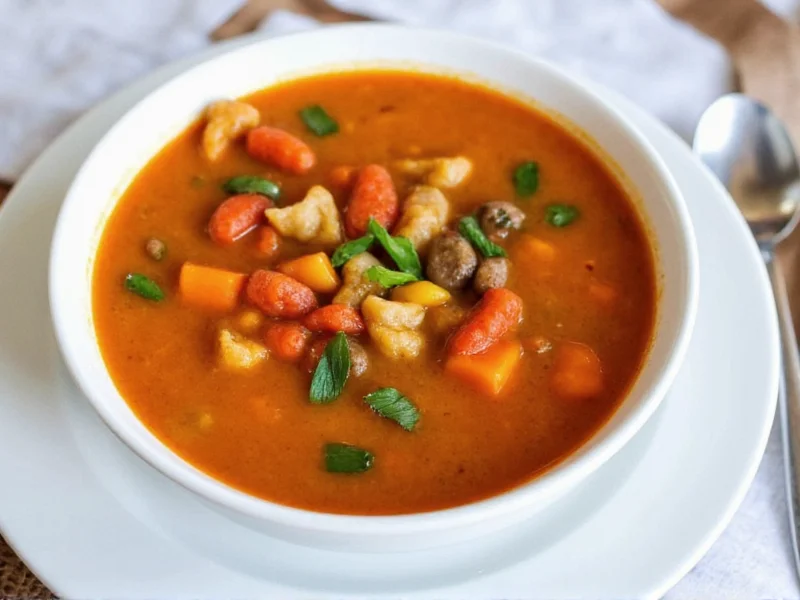
For generations, Italian families have perfected this comforting soup that balances rich meatball flavors with bitter greens and aromatic broth. Unlike common misconceptions, wedding soup rarely appears on actual Italian wedding menus. Its name celebrates the harmonious union of ingredients that create a deeply satisfying dish perfect for family gatherings, holidays, or chilly evenings.
The True Origins of Wedding Soup
Minestra maritata traces back to 18th century Naples, where resourceful cooks combined inexpensive ingredients to create nourishing meals. The “marriage” concept refers to how the bitter greens complement the rich meatballs and broth. Traditional versions use pastina (tiny pasta), while modern variations sometimes substitute acini di pepe or small soup pasta.
Evolution of Minestra Maritata: A Culinary Timeline
Historical documentation from Italy’s culinary institutions reveals how socioeconomic factors shaped this dish. Per Academia Barilla’s research on Neapolitan cuisine, minestra maritata evolved through distinct phases:
| Era | Culinary Development | Socioeconomic Context |
|---|---|---|
| 1700s | Origins in Naples using escarole, meat scraps, and pastina | Poverty-driven “ cucina povera” (poor kitchen) tradition |
| 1880-1920 | Spread to Rome via internal migration; spinach substitution emerged | Mass migration from Southern to Northern Italy |
| 1940s-1960s | American adaptation with kale and larger meatballs | Post-war Italian immigrant communities in US cities |
| 2000s-Present | Slow Food Foundation documentation as endangered tradition | UNESCO recognition of Mediterranean diet heritage |
This timeline demonstrates how minestra maritata maintained its core identity while adapting to ingredient availability—a key factor in its survival as a culinary artifact.
Essential Ingredients and Their Purpose
Authentic wedding soup relies on quality ingredients working in harmony. Each component serves a specific purpose in creating the soup's distinctive flavor profile:
| Ingredient | Traditional Role | Substitution Options |
|---|---|---|
| Escarole | Provides bitter counterpoint to rich broth | Spinach, kale, or Swiss chard |
| Ground pork and beef | Creates flavorful, tender meatballs | Ground turkey or chicken (less traditional) |
| Chicken broth | Forms aromatic soup base | Homemade stock preferred over store-bought |
| Parmesan rind | Enhances umami depth | 1 tsp soy sauce (for vegetarian version) |
Contextual Boundaries for Green Substitutions
Ingredient substitutions have strict limitations where authenticity is concerned. As documented by the Slow Food Foundation, escarole’s bitterness is non-negotiable in traditional preparations. The following boundaries define when substitutions preserve the dish’s essence:
| Green Type | Acceptable Context | Critical Limitations |
|---|---|---|
| Escarole (curly endive) | Authentic Neapolitan preparation | Unavailable outside Mediterranean winter; requires young leaves |
| Spinach | Weeknight meals for children | Creates “spinach-meatball soup” – loses bitter-sweet marriage |
| Kale | American regional adaptation | Overpowering earthiness requires 50% less quantity; alters texture |
| Chicory | Traditional Naples variation | Only young leaves acceptable; mature chicory causes excessive bitterness |
Per Slow Food’s analysis, “The bitter element is the bride in this marriage – without it, you have merely soup with meatballs.” Substitutions beyond these boundaries create fundamentally different dishes.
Classic Wedding Soup Recipe
This authentic preparation yields 6 servings with approximately 30 minutes of active cooking time. The secret to perfect wedding soup lies in properly sized meatballs and careful timing of ingredient additions.
Ingredients
- 8 cups homemade chicken broth
- 1 parmesan cheese rind
- 1 bunch escarole, chopped
- 1 cup pastina or acini di pepe
- 2 cloves garlic, minced
- 2 tbsp olive oil
- Salt and freshly ground black pepper
Meatballs
- 1 lb ground pork
- 1/2 lb ground beef
- 1/2 cup breadcrumbs
- 1/4 cup grated parmesan
- 1 egg
- 2 cloves garlic, minced
- 1/4 cup fresh parsley, chopped
- Salt and pepper to taste
Step-by-Step Preparation
- Prepare meatballs: Combine all meatball ingredients gently. Form 1/2-inch meatballs (size of a pea) using a small scoop or teaspoon.
- Cook meatballs: Heat olive oil in large pot. Brown meatballs in batches over medium heat (2-3 minutes), then remove.
- Build broth: Add broth, parmesan rind, and garlic to pot. Simmer 10 minutes to infuse flavors.
- Add greens: Stir in escarole and simmer until wilted (3-4 minutes).
- Cook pasta: Add pastina and simmer according to package directions (usually 5-7 minutes).
- Finish meatballs: Return meatballs to pot and heat through (2-3 minutes). Season with salt and pepper.
Professional Cooking Tips for Perfect Results
Achieving restaurant-quality wedding soup at home requires attention to detail. These expert techniques ensure optimal texture and flavor:
- Meatball size matters: Keep meatballs smaller than 1/2 inch to prevent them from becoming tough during cooking
- Broth quality is essential: Homemade broth makes a significant difference in flavor depth compared to store-bought versions
- Add greens strategically: Stir in escarole when broth is at a gentle simmer to preserve texture and color
- Prevent pasta mush: Cook pasta directly in the broth rather than separately to absorb flavors, but watch carefully to avoid overcooking
- Rest before serving: Let soup sit 10 minutes after cooking to allow flavors to meld
Variations for Dietary Preferences
Traditional wedding soup can be adapted for various dietary needs while maintaining authentic flavor profiles:
Vegetarian Wedding Soup
Replace meatballs with chickpea and breadcrumb mixture (1 can chickpeas, 1/4 cup breadcrumbs, 1 egg, herbs). Use vegetable broth and add 1 tsp soy sauce for umami depth. Omit parmesan rind or use vegetarian alternative.
Gluten-Free Wedding Soup
Substitute pastina with cooked quinoa or gluten-free orzo. Ensure breadcrumbs in meatballs are gluten-free. Add extra broth as GF pasta absorbs more liquid.
Lighter Version
Use all chicken breast meat for meatballs, reduce oil to 1 tbsp, and increase escarole quantity. Simmer broth with extra vegetables like carrots and celery for natural sweetness.
Serving Suggestions and Pairings
Authentic Italian presentation enhances the wedding soup experience:
- Serve in pre-warmed bowls to maintain temperature
- Garnish with fresh parsley and extra grated parmesan
- Pair with crusty bread for dipping, not as a side dish
- Follow with a simple salad for a complete meal
- Avoid heavy pasta dishes as subsequent courses
For special occasions, consider serving wedding soup in espresso cups as an elegant starter. The small portions highlight the soup's delicate balance of flavors without overwhelming guests before the main course.
Storage and Reheating Instructions
Proper storage maintains quality for future enjoyment:
- Cool completely before refrigerating (within 2 hours of cooking)
- Store components separately: broth/meatballs in one container, greens/pasta in another
- Refrigerate for up to 3 days or freeze broth/meatballs for 2 months
- Reheat gently over medium-low heat to prevent meatballs from toughening
- Add fresh greens when reheating if possible for best texture
Troubleshooting Common Issues
Resolve these frequent wedding soup problems with professional solutions:
- Tough meatballs: Caused by overmixing or oversized portions. Handle mixture gently and keep meatballs pea-sized.
- Bland broth: Insufficient seasoning or low-quality broth. Simmer with extra parmesan rind and adjust salt at the end.
- Mushy pasta: Overcooked during storage. Cook pasta separately when reheating leftovers.
- Bitter greens: Escarole added to boiling broth. Add when broth is at gentle simmer.
- Cloudy broth: Meatballs added before broth was hot enough. Brown meatballs first, then add to simmering broth.




 浙公网安备
33010002000092号
浙公网安备
33010002000092号 浙B2-20120091-4