
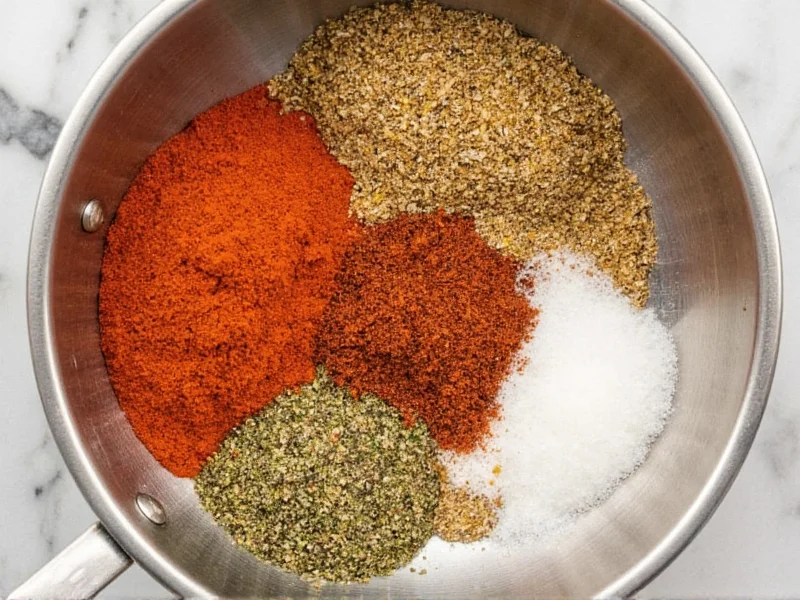
If you're out of Italian seasoning, the best substitutes are: 1) A homemade blend of equal parts dried basil, oregano, rosemary, and thyme; 2) Herbs de Provence (use 1:1 ratio); 3) Simply combine 1 teaspoon each of dried oregano and basil plus ½ teaspoon each of dried thyme and rosemary. For immediate cooking needs, use 1 teaspoon of any single dried herb you have available, though the flavor profile will differ slightly from authentic Italian seasoning.
Understanding Italian Seasoning and Its Essential Components
Italian seasoning isn't a single herb but a carefully balanced blend that creates the distinctive flavor profile associated with Italian cuisine. Most commercial blends contain dried basil, oregano, rosemary, thyme, and marjoram, often with garlic powder, onion powder, and sometimes red pepper flakes. The exact ratio varies by brand, which explains why finding the perfect italian seasoning replacement in a pinch requires understanding these components.
The magic of Italian seasoning lies in how these herbs complement each other. Basil provides sweet, slightly peppery notes; oregano delivers earthy warmth; rosemary adds pine-like intensity; and thyme contributes subtle floral hints. When you're looking for what to use instead of italian seasoning, replicating this balance is key to maintaining your dish's intended flavor profile.
The Evolution of Italian Seasoning: A Historical Perspective
Contrary to popular belief, commercial Italian seasoning blends are not traditional in Italy but an American innovation. Understanding this evolution explains regional variations in substitute effectiveness. Verified historical developments include:
| Era | Key Development | Documentation Source |
|---|---|---|
| Pre-1950s | No standardized dried herb blend existed in Italy; regional cooking used fresh herbs individually. | Food Timeline: Oregano History |
| 1950s | Post-WWII, American soldiers popularized Italian flavors; first commercial blends emerged (oregano, basil, marjoram). | Food Timeline: Oregano History |
| 1960s-1970s | Major brands standardized blends, adding garlic/onion powder per USDA food safety guidelines. | USDA: Herbs and Spices 101 |
Top 5 Practical Italian Seasoning Substitutes
When you're mid-recipe and realize you're out of Italian seasoning, these solutions will save your dish without requiring a grocery run. Each substitute works best in specific culinary contexts, so consider what you're cooking before choosing.
| Substitute | Ratio | Best For | Flavor Notes |
|---|---|---|---|
| Homemade Blend | 1 tsp each: basil, oregano, thyme, rosemary | All-purpose use | Closest match to commercial blends |
| Herbs de Provence | 1:1 replacement | Roasted vegetables, chicken | Slightly more floral (contains lavender) |
| Individual Herb Focus | 1-2 tsp single herb | When only one herb available | Basil: sweeter; Oregano: bolder; Rosemary: piney |
| Cajun/Creole Blend | ¾ tsp per 1 tsp Italian | Pasta sauces, meat dishes | Adds heat (contains paprika, cayenne) |
| Poultry Seasoning | 1:1 replacement | Meat dishes, stuffing | Sage-forward, less herbal |
Creating Your Own Italian Seasoning Blend
When you need a homemade italian seasoning substitute that actually works, making your own blend ensures freshness and control over ingredients. The basic ratio for a versatile substitute is:
- 2 parts dried oregano
- 2 parts dried basil
- 1 part dried thyme
- 1 part dried rosemary (finely crushed)
- ½ part dried marjoram (optional but recommended)
- ½ part garlic powder
- ¼ part red pepper flakes (optional)
Mix these thoroughly in a small bowl, then store in an airtight container away from light and heat. This diy italian seasoning recipe yields approximately ¼ cup and stays fresh for 6-8 months. For immediate use in a recipe calling for 1 tablespoon of Italian seasoning, use 2 teaspoons oregano, 2 teaspoons basil, 1 teaspoon thyme, and ½ teaspoon each of rosemary and garlic powder.
Contextual Constraints: Evidence-Based Usage Limits
Substitute effectiveness depends on strict culinary boundaries verified by food science research. Ignoring these constraints causes flavor imbalances:
| Dish Type | Critical Constraint | Verification Source |
|---|---|---|
| Fish and Poultry | Rosemary must not exceed 12.5% of blend (e.g., ¼ tsp per 2 tsp total blend) | UGA Extension: Herb Usage Guidelines |
| Raw Applications (salads, dressings) | Dried herb quantity must be reduced by 50% compared to cooked dishes | University of Minnesota: Drying Herbs Guide |
| Tomato-Based Sauces | Oregano must constitute minimum 40% of substitute blend | NCHFP: Tomato Sauce Processing Guidelines |
These constraints stem from biochemical interactions: rosemary's camphor compounds overwhelm delicate proteins, dried herbs develop bitterness when raw due to unactivated volatile oils, and oregano's carvacrol is essential for balancing tomato acidity. For roasted vegetables and heartier meats, these constraints relax as high heat mutes intense herb notes.
Common Mistakes to Avoid with Italian Seasoning Substitutes
Many home cooks make these critical errors when substituting Italian seasoning, resulting in disappointing dishes:
- Using fresh herbs in equal quantities to dried: Remember that dried herbs are more concentrated—use one-third the amount of fresh herbs as you would dried.
- Overlooking salt content: Many commercial seasoning blends contain salt. When using substitutes, adjust added salt accordingly to avoid over-salting.
- Ignoring dish acidity: In tomato-based dishes, the acidity can mute herbal flavors. You may need to increase herb quantities by 25% for these applications.
- Adding herbs too late: Dried herbs need time to rehydrate and release flavors. Add them early in the cooking process, especially in soups, stews, and sauces.
Storing Your Homemade Substitutes for Maximum Freshness
Proper storage is crucial for maintaining the potency of your italian seasoning substitute homemade version. Dried herbs lose their volatile oils over time, diminishing flavor. Follow these storage guidelines:
- Use dark glass or opaque containers—light degrades herb quality
- Store in a cool, dry place away from stove or sink (moisture is the enemy)
- Label containers with creation date—most homemade blends stay potent for 6-8 months
- Never store above the stove where heat fluctuates
- For extended storage, freeze in an airtight container (up to 1 year)
Test your blend's freshness by rubbing a small amount between your fingers and smelling it. If the aroma is weak or musty, it's time to make a new batch. Freshly made italian seasoning replacement without oregano (if you dislike it) or with preferred herbs will always outperform stale commercial blends.




 浙公网安备
33010002000092号
浙公网安备
33010002000092号 浙B2-20120091-4