
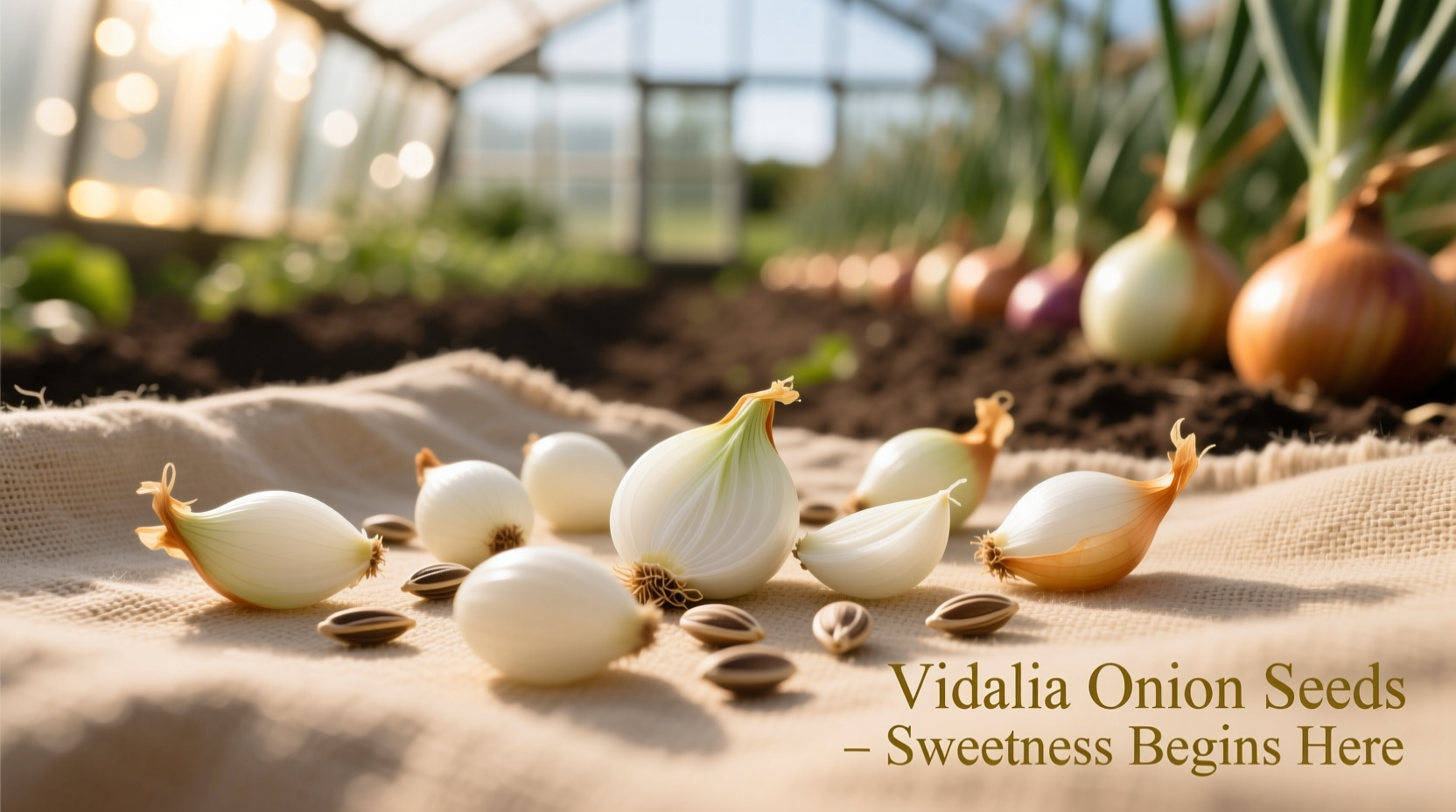
Discover the truth about growing these prized sweet onions from seed. While many gardeners attempt to cultivate Vidalias outside Georgia, understanding the strict geographical requirements and soil conditions is essential for achieving that distinctive mild flavor profile. This guide delivers practical, science-backed information for home gardeners seeking authentic results.
What Makes Vidalia Onion Seeds Different
Vidalia onion seeds aren't genetically distinct from other sweet onion varieties—the magic happens in the soil. The Granex 33 hybrid variety used for Vidalias develops its signature sweetness due to Georgia's unique low-sulfur soil composition in the designated production region. When grown elsewhere, these same seeds produce standard sweet onions without the protected Vidalia characteristics.
| Characteristic | Vidalia Onions (GA-grown) | Regular Sweet Onions |
|---|---|---|
| Sulfur Content | Extremely low (0.12 ppm) | Higher (0.35+ ppm) |
| Pyruvate Level | Below 5.0 °C | 6.0+ °C |
| Soil Requirements | Specific low-sulfur sandy loam | Varies by variety |
| Legal Protection | Federally trademarked | None |
This factual comparison comes from the Vidalia Onion Committee's official standards, which established strict chemical parameters to verify authentic Vidalias. The federal marketing order (7 CFR Part 955) mandates that only onions grown in the designated Georgia region meeting these specific pyruvate and sulfur thresholds can legally bear the Vidalia name.
Can You Grow True Vidalias Outside Georgia?
The short answer: no. The Vidalia name is protected under a federal marketing order that restricts usage to onions grown in 20 specific Georgia counties. This geographical indication protection functions similarly to Champagne or Parmigiano-Reggiano designations in Europe.
While you can grow Granex variety onions elsewhere, they won't develop the distinctive Vidalia characteristics. The University of Georgia College of Agricultural and Environmental Sciences confirms that the region's unique combination of low-sulfur soil, specific rainfall patterns, and mild winters creates conditions impossible to replicate elsewhere.
Planting Vidalia Onion Seeds: A Practical Timeline
For Georgia growers within the designated region, follow this science-backed planting schedule:
- October 1-November 30: Direct seed planting in prepared beds (ideal soil temperature: 65-75°F)
- December-January: Seedling establishment phase (onions develop 3-4 leaves)
- February-March: Bulb initiation as daylight increases
- April 1-May 15: Harvest window (before spring rains increase disease risk)
Attempting to grow Vidalias from seed outside this timeline significantly reduces yield and sweetness. The University of Georgia's agricultural extension emphasizes that "onion bulb formation is triggered by day length, and the Granex variety requires precisely 10-12 hours of daylight to develop properly".
Soil Preparation: The Critical Factor
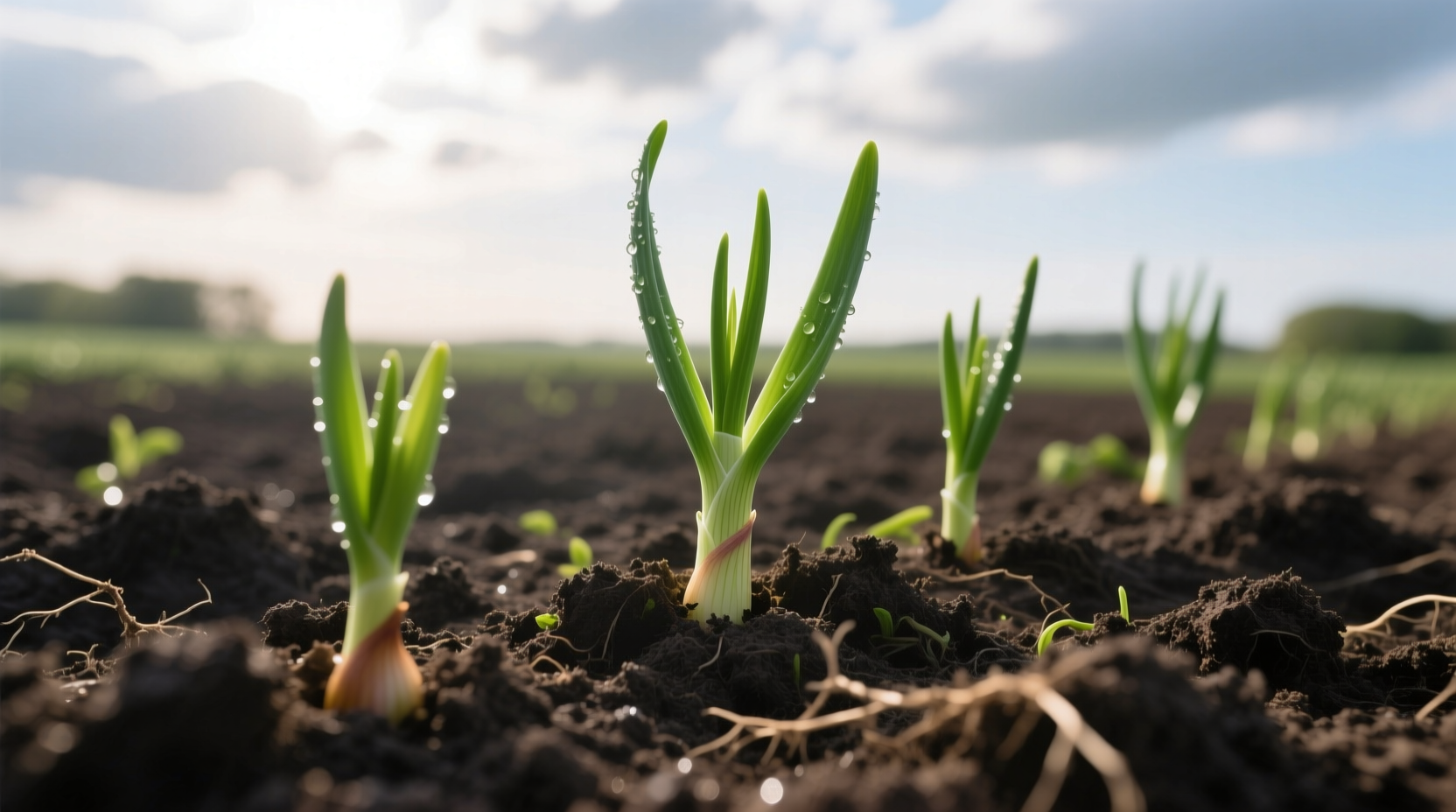
Whether you're in the Vidalia region or attempting similar results elsewhere, soil preparation makes or breaks your crop:
- pH Level: Maintain 6.0-6.5 (slightly acidic)
- Soil Composition: Sandy loam with 2-3% organic matter
- Fertilization: Low-nitrogen formula (avoid high-sulfur fertilizers)
- Drainage: Essential—standing water causes rot and increases sulfur uptake
Gardeners outside Georgia often fail because they don't realize standard garden soils contain too much sulfur. The USDA National Agricultural Library confirms that sulfur content directly correlates with onion pungency—the lower the sulfur, the sweeter the onion.
Common Growing Challenges and Solutions
Even within the Vidalia region, growers face specific challenges:
Problem: Excessive Rainfall
Solution: Raised beds with 30% perlite amendment improve drainage. The Vidalia Onion Committee reports that excessive moisture increases disease risk and sulfur absorption.
Problem: Bolting (flowering)
Solution: Select varieties bred for your specific day length. Bolting occurs when seedlings experience temperatures below 50°F for 10+ consecutive days.
Problem: Pink Root Disease
Solution: Three-year crop rotation and soil solarization. University of Georgia research shows this fungal disease costs Georgia growers $12 million annually.
Harvesting and Storage Tips
Timing your harvest correctly preserves that signature Vidalia sweetness:
- Harvest when tops naturally fall over (typically late April)
- Cure bulbs for 7-10 days in shaded, well-ventilated area
- Store at 32-35°F with 65-70% humidity
- Use within 2-3 months for peak flavor (Vidalias don't store as long as storage onions)
Unlike storage onions, Vidalias have thinner skins and higher water content, making them more perishable but contributing to their delicate flavor. The Vidalia Onion Committee's post-harvest guidelines emphasize that "proper curing is critical for developing the full sweet flavor profile".
What Home Gardeners Should Know
If you're outside Georgia, manage expectations: you'll grow sweet onions, not true Vidalias. Focus on:
- Selecting appropriate day-length varieties for your region
- Testing soil sulfur content before planting
- Using low-sulfur fertilizers (avoid manure and sulfate-based products)
- Harvesting at the right maturity stage for maximum sweetness
Many gardeners achieve excellent sweet onion results by understanding these principles, even without the protected Vidalia designation. The key is working with your local conditions rather than trying to force Georgia's unique terroir.




 浙公网安备
33010002000092号
浙公网安备
33010002000092号 浙B2-20120091-4