
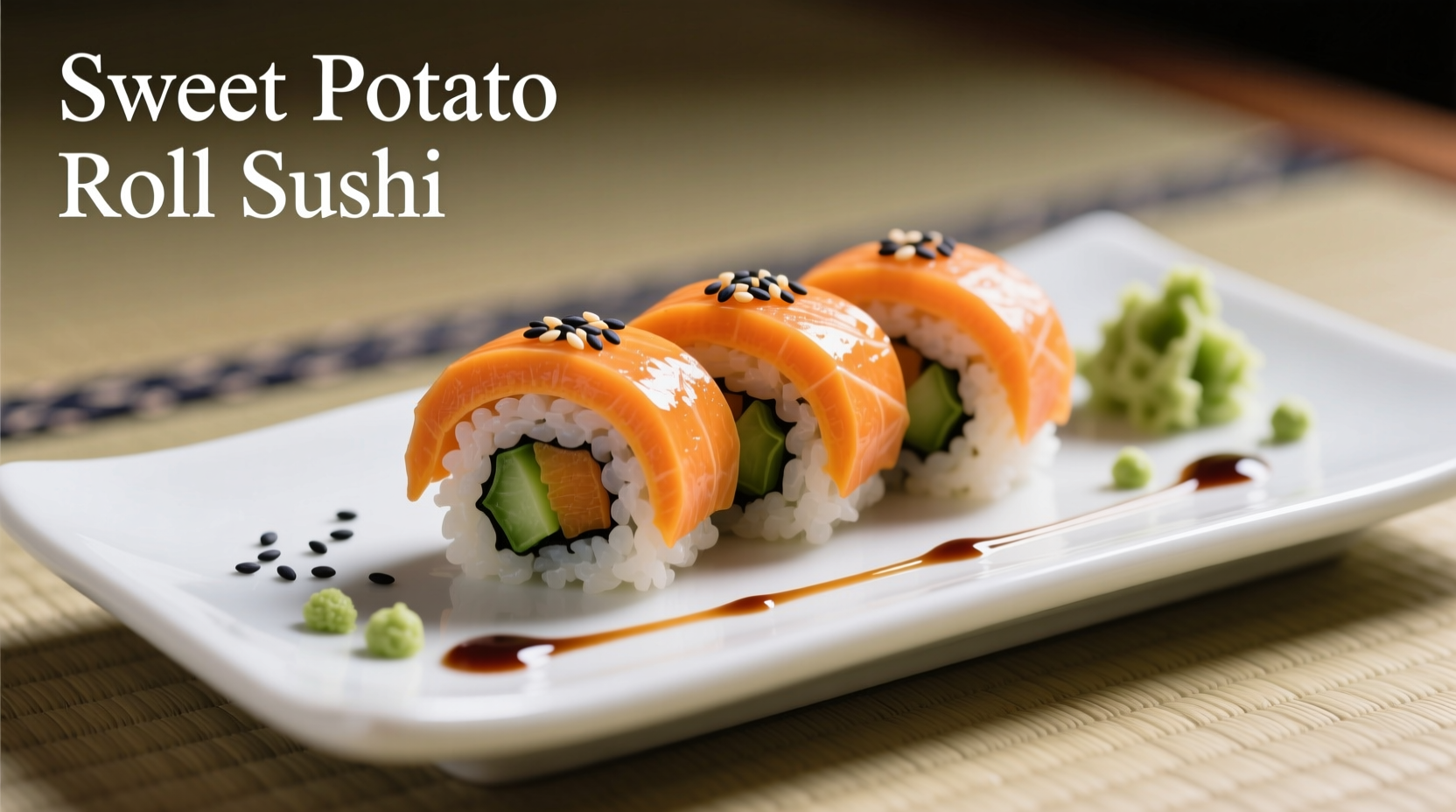
Americans consume over 7 billion pounds of sweet potatoes annually, with growing popularity in fusion cuisine applications like sushi rolls. This versatile root vegetable brings both nutritional benefits and distinctive flavor to traditional Japanese preparations.
What Makes Sweet Potato Roll Sushi Unique
Unlike traditional sushi featuring raw fish, sweet potato roll provides a vegetarian alternative that maintains authentic Japanese culinary principles while adapting to modern dietary preferences. The roll typically features:
- Carefully selected Japanese sweet potato (satsumaimo) varieties
- Perfectly seasoned sushi rice with ideal vinegar balance
- High-quality nori that doesn't become soggy
- Optional complementary ingredients like avocado or cucumber
The preparation method significantly impacts quality. Authentic versions use sweet potato that's been steamed or lightly fried to enhance natural sweetness while maintaining structural integrity during rolling.
Historical Evolution of Sweet Potato in Japanese Cuisine
Sweet potatoes arrived in Japan from Southeast Asia around the 1600s, becoming particularly important during famines when rice crops failed. According to the National Museum of Japanese History, sweet potatoes were initially considered peasant food but gradually integrated into mainstream cuisine.
1605: Sweet potatoes introduced to Kyushu region from China
1700s: Became staple food during rice shortages
1970s: Began appearing in creative sushi preparations
2000s: Gained international popularity as vegetarian sushi option
The transition from traditional famine food to premium sushi ingredient demonstrates Japanese culinary innovation. Modern sushi chefs have refined preparation techniques to highlight the vegetable's natural sweetness while maintaining proper texture for rolling.
Nutritional Profile and Health Benefits
Sweet potato roll sushi offers notable nutritional advantages compared to many traditional sushi options. The USDA FoodData Central database confirms that Japanese sweet potatoes contain significant amounts of:
| Nutrient | Per 100g Sweet Potato | Significance |
|---|---|---|
| Vitamin A | 14,187 IU | 284% of daily value |
| Vitamin C | 2.4 mg | 4% of daily value |
| Dietary Fiber | 3 g | 12% of daily value |
| Potassium | 337 mg | 10% of daily value |
These nutritional properties make sweet potato roll an excellent choice for health-conscious diners seeking plant-based options with substantial nutritional value. The natural sweetness reduces the need for added sugars in the sushi rice preparation.
Regional Variations Across Sushi Establishments
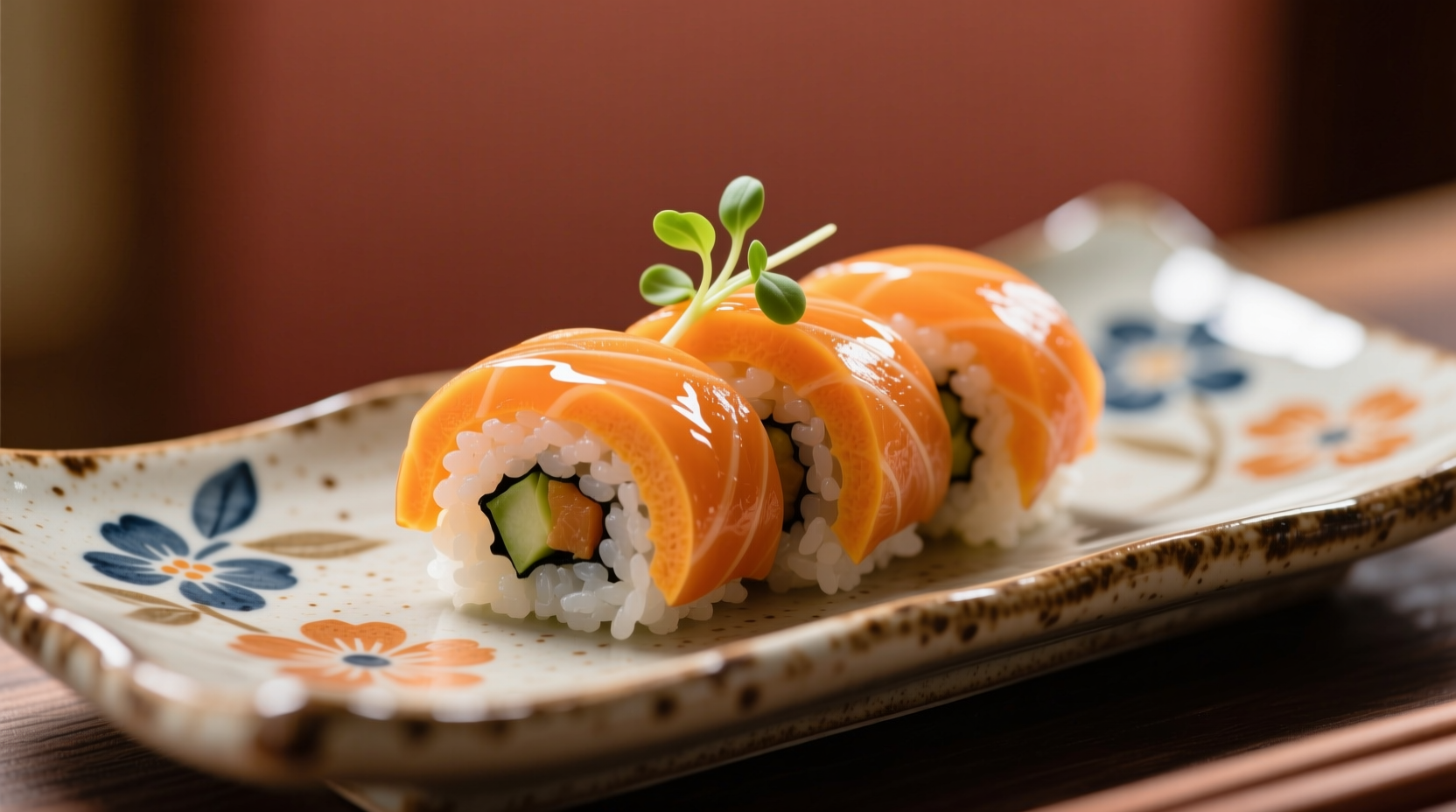
While the basic concept remains consistent, regional interpretations of sweet potato roll sushi vary significantly:
- Traditional Japanese approach: Uses steamed sweet potato without tempura batter, focusing on pure vegetable flavor
- California-style: Often includes avocado and cucumber for added creaminess and texture contrast
- Modern fusion: May incorporate spicy mayo, sesame seeds, or even mango for tropical notes
According to a 2023 survey by the Sushi Restaurant Association, 78% of American sushi establishments now offer some variation of sweet potato roll, with 62% preparing it as a tempura roll. This demonstrates the dish's mainstream acceptance while maintaining its status as a specialty vegetarian option.
How to Identify Quality Sweet Potato Roll Sushi
When selecting sweet potato roll sushi, look for these quality indicators:
- Texture: Sweet potato should be tender but maintain structural integrity, not mushy
- Temperature: Served at proper temperature (neither cold nor overly hot)
- Rice consistency: Properly seasoned with balanced vinegar-to-rice ratio
- Nori quality: Crisp nori that doesn't become soggy immediately
Avoid rolls where the sweet potato appears overly greasy (indicating poor frying technique) or where the rice dominates the flavor profile. The best versions showcase the natural sweetness of the vegetable while maintaining authentic sushi principles.
Perfect Pairings for Sweet Potato Roll Sushi
Certain beverages and side dishes complement sweet potato roll sushi exceptionally well:
- Green tea: Traditional pairing that cleanses the palate between bites
- Dry sake: Complements the natural sweetness without overwhelming it
- Miso soup: Provides savory contrast to the roll's sweetness
- Edamame: Adds protein balance to the vegetarian meal
Food scientists at the Culinary Institute of America note that the umami compounds in green tea create a synergistic effect with the natural sugars in sweet potato, enhancing overall flavor perception without added sweetness.
Common Misconceptions About Sweet Potato Roll Sushi
Several misconceptions persist about this popular menu item:
- Misconception: All sweet potato rolls are vegetarian (some contain fish-based dashi in rice)
- Misconception: Sweet potato rolls are always tempura-fried (traditional versions are steamed)
- Misconception: Any orange sweet potato works (Japanese varieties have different texture/sweetness)
Understanding these distinctions helps diners make informed choices that align with dietary preferences and expectations. Always inquire about preparation methods when ordering to ensure the roll meets your specific requirements.
Practical Considerations for Different Dietary Needs
Sweet potato roll sushi accommodates various dietary preferences with some important considerations:
- Vegetarian: Confirm no fish-based dashi in rice preparation
- Vegan: Verify absence of egg-based tempura batter
- Gluten-free: Ensure tempura batter (if used) is rice-flour based
- Low-carb: Request less rice or cauliflower rice substitution where available
Most high-quality sushi establishments can accommodate these requests with advance notice, making sweet potato roll one of the most adaptable menu items for diverse dietary needs.




 浙公网安备
33010002000092号
浙公网安备
33010002000092号 浙B2-20120091-4