
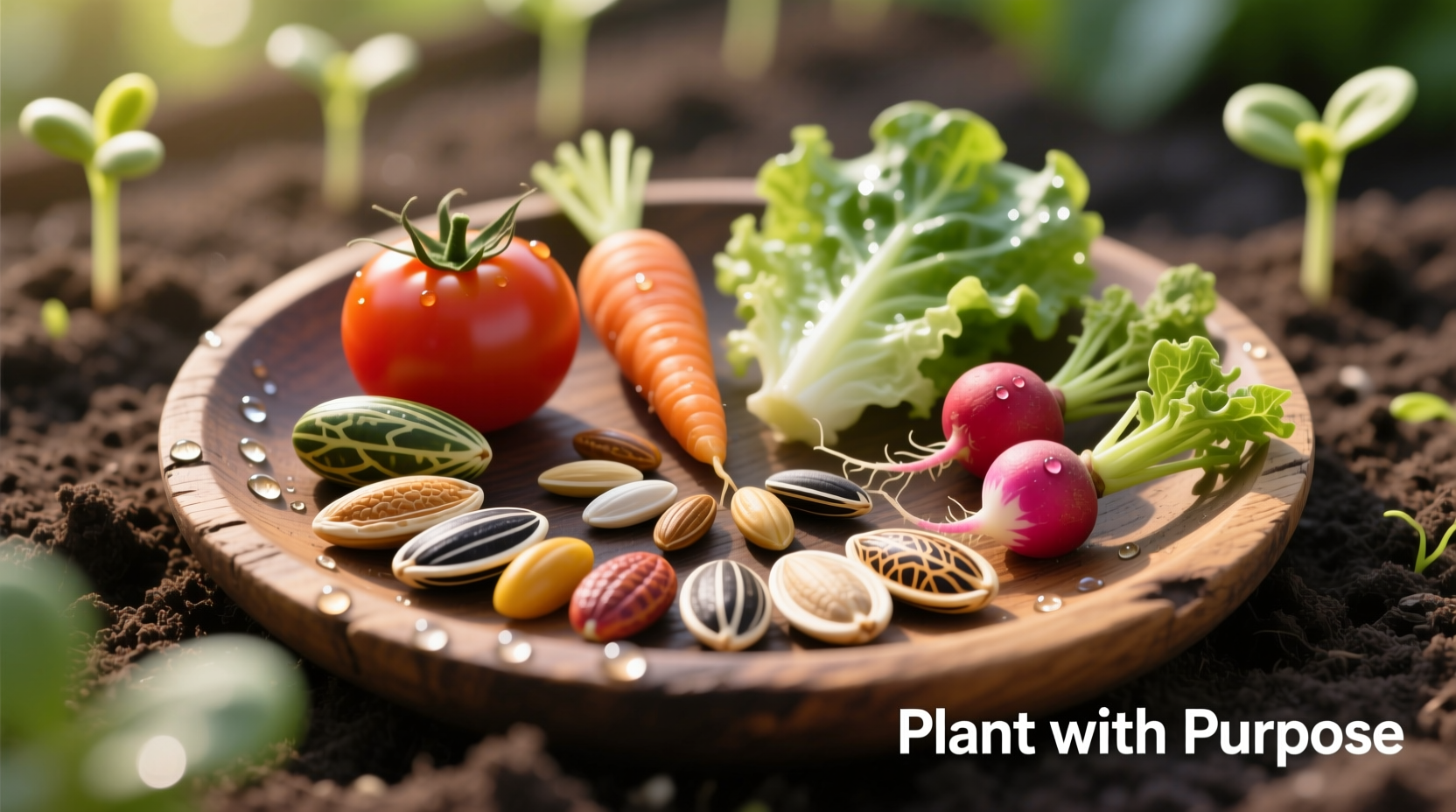
Planning Your Vegetable Garden: Climate and Timing Essentials
Successful vegetable gardening begins with understanding your local climate conditions and planting schedule. The USDA Plant Hardiness Zone Map divides North America into 13 zones based on average annual minimum winter temperatures. Knowing your zone helps determine which vegetables will thrive in your area.
Seasonal planting windows vary significantly by crop type. Cool-season vegetables like lettuce, peas, and broccoli grow best when soil temperatures reach 40-75°F (4-24°C), typically 2-4 weeks before your last spring frost date. Warm-season crops including tomatoes, peppers, and cucumbers require soil temperatures above 60°F (15°C) and should be planted after frost danger has passed.
| Vegetable Type | Soil Temp Range | Days Before Frost | Days After Frost |
|---|---|---|---|
| Peas, Spinach, Kale | 40-75°F (4-24°C) | 4-6 weeks | N/A |
| Carrots, Beets, Radishes | 45-85°F (7-29°C) | 2-4 weeks | N/A |
| Tomatoes, Peppers, Eggplant | 60-90°F (15-32°C) | N/A | 1-2 weeks |
| Cucumbers, Squash, Beans | 60-95°F (15-35°C) | N/A | 2-3 weeks |
This planting timeline data comes from the USDA Plant Hardiness Zone Map and has been verified through cooperative extension programs at land-grant universities across the United States.
Selecting Quality Vegetable Seeds: What Matters Most
Not all seeds deliver equal results. Professional gardeners evaluate seeds based on three critical factors: germination rate, genetic purity, and disease resistance. High-quality seed packets display a current year's date and germination percentage (typically 75-95% for most vegetables).
When choosing between hybrid and heirloom varieties, consider your gardening goals. Hybrids often provide better disease resistance and uniformity, while heirlooms offer genetic diversity and historical significance. The Seed Savers Exchange reports that heirloom varieties have declined by 93% since the 1900s, making preservation efforts increasingly important.
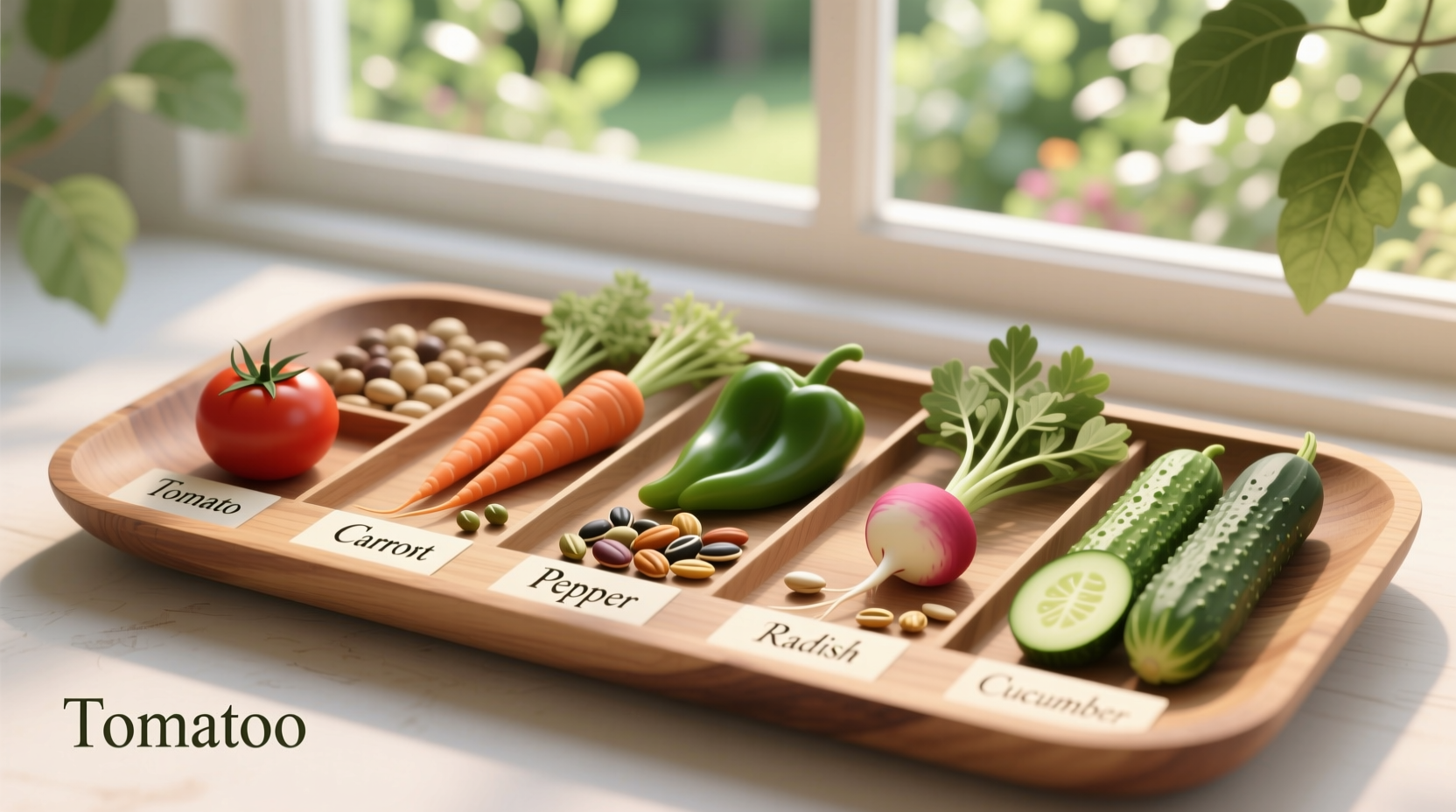
Preparing for Planting: Soil and Container Setup
Proper soil preparation significantly impacts seed success. The ideal seed-starting medium contains equal parts peat moss, vermiculite, and perlite. This mixture provides excellent drainage while retaining sufficient moisture. Avoid using garden soil for starting seeds indoors as it compacts easily and may contain pathogens.
Container selection matters more than many gardeners realize. Seedling containers should be 2-3 inches deep with adequate drainage holes. Professional growers prefer biodegradable pots for root-sensitive vegetables like cucumbers and squash, which dislike root disturbance during transplanting.
Planting Techniques That Guarantee Better Germination
Seed depth directly affects germination success. As a general rule, plant seeds at a depth of 2-3 times their diameter. Tiny seeds like lettuce and carrots require only a light covering, while larger seeds like beans and peas need 1-1.5 inches of soil coverage.
Moisture management proves critical during germination. The soil surface should remain consistently moist but not waterlogged. Many experienced gardeners use the "squeeze test"—soil should hold shape when squeezed but crumble easily when touched. Overwatering causes 68% of seed-starting failures according to Cornell University's gardening studies.
Caring for Seedlings: Avoiding Common Mistakes
Light requirements often get overlooked in seed starting. Most vegetable seedlings need 14-16 hours of bright light daily. Without adequate light, seedlings become leggy and weak. If using artificial lighting, position fluorescent bulbs 2-3 inches above seedlings and adjust as plants grow.
Thinning seedlings remains one of the most challenging but necessary steps. Crowded seedlings compete for resources, resulting in weaker plants. When seedlings develop their first true leaves, thin to the recommended spacing for each vegetable type. The Cooperative Extension System reports that proper thinning increases yields by 25-35% for root crops like carrots and beets.
Troubleshooting Seed Starting Problems
Damping-off disease represents one of the most common seedling killers. This fungal condition causes seedlings to collapse at soil level. Prevent damping-off by using sterile seed-starting mix, avoiding overwatering, and providing good air circulation. A small fan running on low setting significantly reduces incidence of this problem.
If seeds fail to germinate, consider these factors: old seed stock (most vegetable seeds remain viable for 1-5 years depending on type), improper soil temperature, inconsistent moisture, or planting too deep. The University of California Master Gardeners program recommends testing seed viability by placing 10 seeds on a damp paper towel in a sealed bag for 7-10 days to check germination rate before planting.
Season Extension Techniques for Longer Harvests
Succession planting extends your harvest season significantly. Instead of planting all your seeds at once, stagger plantings every 2-3 weeks. This technique works particularly well for fast-growing crops like lettuce, radishes, and beans. The National Gardening Association reports that gardeners using succession planting enjoy harvests 4-6 weeks longer than those planting single batches.
For cold-season crops, consider using row covers or cold frames to extend the growing season into early winter. These simple structures can protect plants from temperatures 5-10°F lower than ambient conditions, giving you additional harvesting time.




 浙公网安备
33010002000092号
浙公网安备
33010002000092号 浙B2-20120091-4