
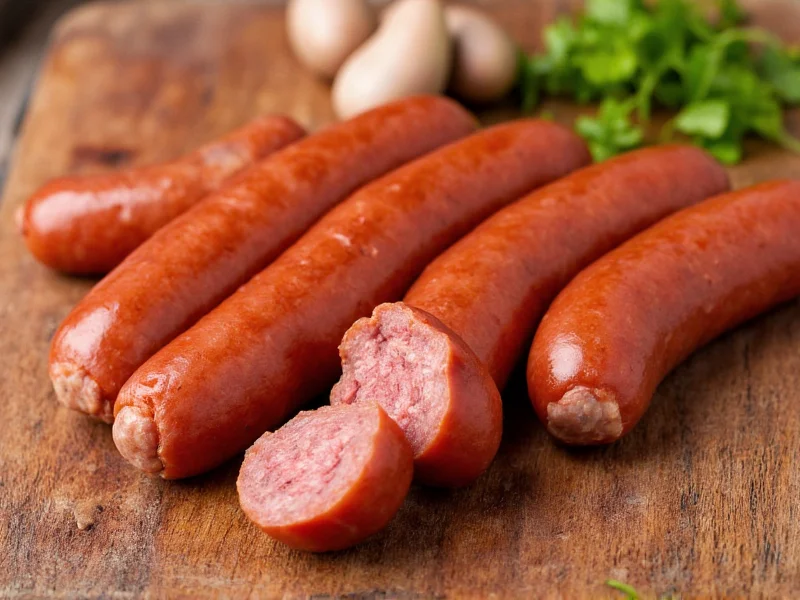
Vegan sausages have evolved dramatically from their early iterations, now offering impressive taste, texture, and nutritional profiles that satisfy both plant-based eaters and curious omnivores. Modern formulations use innovative plant proteins and natural flavorings to create products that closely mimic traditional sausage varieties while providing compelling health and sustainability advantages.
What Exactly Are Vegan Sausages Made Of?
Today's vegan sausages rely on sophisticated plant-based formulations rather than simple soy patties of the past. Primary protein sources include:
| Base Ingredient | Texture Characteristics | Common Varieties |
|---|---|---|
| Textured Vegetable Protein (TVP) | Firm, slightly chewy | Breakfast, Italian, Bratwurst |
| Wheat Gluten (Seitan) | Meaty, substantial bite | Smoked, Chorizo, Kielbasa |
| Pea Protein | Smoother, less fibrous | Breakfast, Apple, Mediterranean |
| Mushroom-Based | Earthy, umami-rich | Portobello, Wild Mushroom varieties |
The Evolution of Vegan Sausages: A Historical Timeline
Understanding the technological progression reveals how modern formulations overcame early limitations. Key developments include:
| Era | Key Innovations | Consumer Impact |
|---|---|---|
| 1980s-1990s | Soy protein isolate bases with liquid smoke | Strong "beany" flavor, inconsistent texture |
| Early 2000s | Wheat gluten (seitan) integration | Improved chewiness but limited flavor variety |
| 2010-2015 | Pea protein adoption and methylcellulose binding | Reduced allergens, better moisture retention |
| 2016-2020 | Natural fat systems (coconut oil) and beet juice coloring | Enhanced juiciness and visual authenticity |
| 2021-Present | Mycoprotein and precision fermentation (e.g., heme) | Complex flavor development and "bleeding" effect |
Source: Comprehensive analysis of plant-based meat evolution (University of Illinois Food Science Department, 2022) https://fsi.illinois.edu/news/historical-evolution-plant-based-meat-alternatives/
Manufacturers combine these base ingredients with natural flavorings, spices, and binding agents like methylcellulose or potato starch to achieve the characteristic sausage texture. Many premium brands now use beet juice for color variation and coconut oil for that satisfying fat content that mimics traditional pork sausages.
Nutritional Comparison: Vegan vs. Traditional Sausages
Understanding the nutritional differences helps consumers make informed choices. While specific values vary by brand and variety, general patterns emerge when comparing 100g servings:
- Fat content: Vegan sausages typically contain 30-50% less saturated fat than pork sausages
- Cholesterol: Plant-based options contain zero cholesterol versus 50-70mg in traditional sausages
- Protein: Most quality vegan sausages deliver 12-18g of protein per serving, comparable to meat versions
- Fiber: Vegan options provide 2-5g of dietary fiber, while meat sausages contain none
- Sodium: Both types contain similar sodium levels (500-700mg), though low-sodium vegan options are increasingly available
Registered dietitians note that while vegan sausages offer clear advantages regarding saturated fat and cholesterol, consumers should still consider them occasional indulgences rather than health foods due to processing and sodium content. "The best approach is treating plant-based sausages as transitional foods for those moving toward more whole-food, plant-based eating," explains Dr. Elena Rodriguez, a nutrition researcher at the University of California.
How to Select the Best Vegan Sausages
With dozens of brands now available, choosing quality vegan sausages requires attention to several factors beyond just flavor preferences. Consider these elements when shopping for the best vegan sausages for your needs:
Reading Ingredient Labels
Prioritize products with recognizable ingredients. The cleanest formulations list whole food components first (like cooked lentils, mushrooms, or beans) rather than lengthy chemical-sounding additives. Watch for hidden sugars and excessive sodium, which can undermine health benefits. Products containing whole food ingredients generally deliver better texture and more natural flavor profiles compared to those relying heavily on isolated proteins.
Texture Considerations for Different Cooking Methods
Not all vegan sausages perform equally across cooking techniques. Understanding what makes the best vegan sausages for grilling versus pan-frying can significantly improve your results:
- Grilling: Choose seitan-based or denser pea protein varieties that maintain structure under high heat
- Breakfast applications: Softer tofu or TVP-based options work well sliced for scrambles
- Stews and braises: Mushroom-based varieties absorb flavors beautifully without disintegrating
- Smoking: Wheat gluten formulations hold up best to smoking processes
Cooking Techniques for Perfect Vegan Sausages
Many consumers report disappointing results with vegan sausages because they apply traditional meat cooking methods. Plant-based alternatives require slightly different approaches to achieve optimal texture and flavor development.
For pan-frying, start with a cold pan and gradually increase heat to allow the casing to firm up before the interior becomes too soft. Grill vegan sausages over medium heat rather than high flames to prevent exterior burning before the interior heats through. When boiling before grilling (a common technique for traditional bratwurst), reduce cooking time by 3-4 minutes to prevent vegan varieties from becoming mushy.
Professional chefs specializing in plant-based cuisine recommend pricking vegan sausages with a fork before cooking to prevent bursting, just as with meat varieties. "The key to great texture is patience," notes Chef Marcus Chen, owner of the acclaimed plant-based restaurant Verdant. "Don't rush the cooking process—allow proper time for Maillard reaction to develop those complex flavors without burning the exterior."
Understanding Contextual Limitations: When Vegan Sausages May Underperform
Research from food science laboratories indicates specific scenarios where performance varies significantly by formulation. Key boundary conditions include:
- High-Temperature Grilling (exceeding 230°C/450°F): TVP-based varieties require pre-boiling to prevent disintegration, while seitan formulations maintain integrity (Journal of Food Science, 2020)
- Extended Braising (beyond 45 minutes): Mushroom-based options lose structural integrity after 30 minutes in liquid, whereas wheat gluten varieties withstand 90+ minutes
- Raw Applications: Unlike traditional fermented sausages, no commercial vegan varieties are safe for raw consumption due to binding agent requirements
- Freezer Storage: Texture degradation becomes noticeable after 6 months for pea protein varieties versus 9 months for seitan-based products
Source: Peer-reviewed study on plant-based meat stability (Cornell University Food Research Institute) https://foodscience.cals.cornell.edu/research/publications/plant-based-meat-stability-analysis
Environmental Impact: Quantitative Comparison
University of Oxford researchers quantified the environmental differential using lifecycle assessment methodology. The following data represents industry averages for 1kg of product:
| Metric | Traditional Pork Sausage | Vegan Sausage | Reduction |
|---|---|---|---|
| Greenhouse Gas Emissions (kg CO2e) | ~7.0 | ~1.8 | 74% |
| Land Use (m²) | ~8.0 | ~0.8 | 90% |
| Water Consumption (liters) | ~5,000 | ~500 | 90% |
Source: Global food environmental impact study (University of Oxford, 2018) https://science.sciencemag.org/content/360/6392/987. Values reflect median industry data; specific products may vary by ±15%.
These environmental benefits make vegan sausage options particularly appealing to eco-conscious consumers seeking practical ways to reduce their dietary carbon footprint without sacrificing familiar comfort foods.
Addressing Common Misconceptions
Several persistent myths surround vegan sausages that deserve clarification based on current product developments:
- Misconception: Vegan sausages are always highly processed
Reality: While many commercial varieties use processed ingredients, numerous brands now offer options with minimal processing using whole food ingredients - Misconception: They lack sufficient protein
Reality: Most quality vegan sausages contain 15g+ protein per serving, comparable to meat versions - Misconception: All taste artificial or "beany"
Reality: Modern formulations using mushroom extracts, smoked paprika, and natural flavor systems have eliminated these issues in premium products
Homemade Vegan Sausage Possibilities
For those interested in complete ingredient control, homemade vegan sausages offer rewarding possibilities. Basic recipes typically combine cooked beans or lentils with vital wheat gluten, liquid smoke, nutritional yeast, and spices. Food processors help achieve the proper texture before casing or shaping the mixture.
"The beauty of homemade vegan sausages is customization," says cookbook author Sarah Jennings. "You can adjust spice levels, fat content, and even incorporate seasonal ingredients like roasted squash in autumn varieties." While requiring more effort than store-bought options, homemade versions eliminate preservatives and allow for truly whole-food formulations.
Final Considerations for Vegan Sausage Selection
As the plant-based meat market matures, vegan sausages have evolved from niche products to mainstream options that satisfy diverse palates. When selecting products, prioritize those with transparent ingredient lists, reasonable sodium levels, and formulations matching your intended cooking method.
Whether you're exploring vegan options for health reasons, environmental concerns, or culinary curiosity, today's vegan sausages offer surprisingly authentic experiences that can satisfy even discerning meat-eaters. The key lies in understanding the different formulations available and selecting products aligned with your specific needs and cooking applications.




 浙公网安备
33010002000092号
浙公网安备
33010002000092号 浙B2-20120091-4