
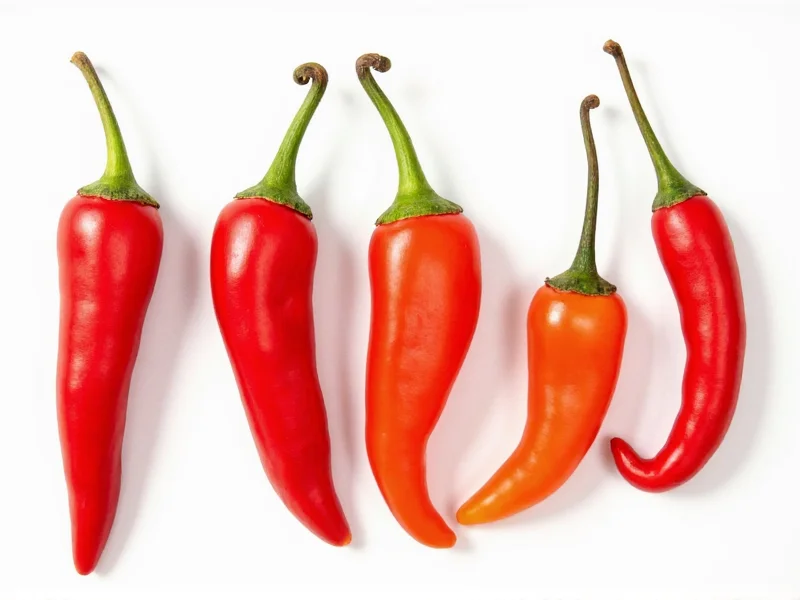
Understanding the diverse world of hot chilli types is essential for both culinary enthusiasts and home gardeners. These fiery fruits belong to the Capsicum genus and vary dramatically in heat intensity, flavor profile, and culinary applications. The heat level of chillies is measured using the Scoville scale, which quantifies the concentration of capsaicinoids—the compounds responsible for that characteristic burning sensation.
Understanding Chilli Heat Measurement
The Scoville Organoleptic Test, developed in 1912 by Wilbur Scoville, originally measured heat through human taste panels diluting chilli extracts until the heat became undetectable. Today, high-performance liquid chromatography (HPLC) provides precise measurements of capsaicinoid content, which are then converted to Scoville Heat Units (SHU) for consumer understanding.
When exploring different hot chilli types, it's important to recognize that heat levels can vary significantly within the same variety due to growing conditions, soil composition, and climate factors. A habanero grown in tropical conditions might register at the higher end of its Scoville range compared to one grown in cooler climates.
Historical Evolution of Chilli Cultivation
The global journey of chilli peppers spans over seven millennia, transforming from a regional crop in the Americas to a cornerstone of cuisines worldwide. Archaeological and genetic evidence reveals a complex history of domestication and dispersal:
- 6000-5000 BC: Earliest direct evidence of domesticated chilli peppers discovered in Guilá Naquitz Cave, Oaxaca, Mexico (Source: Perry et al., 2007, PNAS)
- 1493: Christopher Columbus introduces chilli peppers to Europe after his first voyage, initiating the Columbian Exchange (Source: Smithsonian National Museum of Natural History)
- 16th Century: Portuguese traders spread chilli peppers to Africa, India, and Southeast Asia, where they rapidly integrated into local cuisines (Source: New Mexico State University Chile Pepper Institute)
- 1912: Wilbur Scoville develops the Scoville Organoleptic Test, creating the first standardized heat measurement system (Source: Nawrocka et al., 2017, Journal of Ethnopharmacology)
- 1920s: Jalapeño peppers introduced to the United States from Mexico, becoming central to Tex-Mex cuisine (Source: Texas State Historical Association)
Comprehensive Guide to Hot Chilli Types
These fiery fruits belong to the Capsicum genus and vary dramatically in heat intensity, flavor profile, and culinary applications. The heat level of chillies is measured using the Scoville scale, which quantifies the concentration of capsaicinoids—the compounds responsible for that characteristic burning sensation.
Contextual Factors Affecting Chilli Heat Levels
Heat intensity in chilli peppers is not solely determined by genetics but is significantly influenced by environmental conditions and agricultural practices. Understanding these context boundaries helps growers and consumers manage expectations:
| Factor | Effect on Heat | Scientific Evidence |
|---|---|---|
| Water Stress | Moderate water deficit increases capsaicin production by 20-40% | A 2021 study in Molecules demonstrated that controlled water stress elevated capsaicinoid levels in multiple Capsicum varieties (Source: Molecules 2021, 26(16), 4815) |
| Temperature | Optimal at 25-30°C; heat synthesis declines above 35°C | Research published in Molecules showed capsaicin production decreased by up to 30% when temperatures exceeded 35°C (Source: Molecules 2021, 26(16), 4815) |
| Soil Nitrogen | Excessive nitrogen reduces pungency by up to 25% | New Mexico State University field trials confirmed that high nitrogen fertilization decreases capsaicin concentration (Source: NMSU Extension Guide H-224) |
Mild to Medium Heat Chillis (100-15,000 SHU)
These approachable chilli varieties offer flavor with manageable heat, making them perfect for everyday cooking and those new to spicy foods.
- Poblano (1,000-2,000 SHU): Heart-shaped with rich, earthy flavor; commonly used in Mexican dishes like chiles rellenos
- Guajillo (2,500-5,000 SHU): Dried mirasol chilli with berry-like notes; essential for Mexican red sauces
- Jalapeño (2,500-8,000 SHU): Versatile cylindrical chilli used fresh, pickled, or smoked (as chipotle)
- Serrano (10,000-23,000 SHU): Bright, grassy flavor; commonly used in salsas and guacamole
Hot Chillis (30,000-100,000 SHU)
These pack serious heat while maintaining distinctive flavor profiles that enhance many cuisines.
- Cayenne (30,000-50,000 SHU): Long, slender red chilli commonly dried and ground into powder
- Tabasco (30,000-50,000 SHU): Small tapered chilli that gives Tabasco sauce its distinctive heat
- Fresno (2,500-10,000 SHU): Similar to jalapeño but fruitier; excellent for roasting and pickling
- Thai Bird's Eye (50,000-100,000 SHU): Tiny but mighty; essential in Southeast Asian cuisine
- Habanero (100,000-350,000 SHU): Distinctive floral, fruity notes with intense heat; available in multiple colors
Extreme Heat Chillis (100,000+ SHU)
These super-hot varieties require careful handling and are typically used sparingly in cooking.
- Scotch Bonnet (100,000-350,000 SHU): Similar heat to habanero but with distinct bonnet shape; Caribbean staple
- Trinidad Moruga Scorpion (800,000-2,000,000 SHU): Intense, almost painful heat with fruity undertones
- Ghost Pepper (Bhut Jolokia) (855,000-1,041,427 SHU): Former world record holder; smoky, floral notes
- Carolina Reaper (1,400,000-2,200,000 SHU): Current world's hottest; sweet initial flavor followed by intense heat
- Dragon's Breath (2,480,000 SHU): Experimental variety developed in Wales; not commercially available
| Chilli Variety | Scoville Range (SHU) | Flavor Profile | Common Culinary Uses |
|---|---|---|---|
| Poblano | 1,000-2,000 | Earthy, mild pepper flavor | Chiles rellenos, mole sauces, roasted dishes |
| Jalapeño | 2,500-8,000 | Grassy, bright with vegetal notes | Salsas, nachos, pickled, smoked as chipotle |
| Habanero | 100,000-350,000 | Fruity, floral, citrus notes | Caribbean sauces, hot sauces, marinades |
| Ghost Pepper | 855,000-1,041,427 | Smoky, sweet, floral with intense heat | Extreme hot sauces, chili challenges |
| Carolina Reaper | 1,400,000-2,200,000 | Fruity start, intense delayed heat | Competitive eating, specialty hot sauces |
Culinary Applications of Different Hot Chilli Types
Understanding how to use various hot chilli types can transform your cooking. Mild varieties like poblanos work well stuffed or roasted, while medium-heat options like jalapeños add dimension to salsas and nachos without overwhelming other flavors.
For authentic Mexican cuisine, understanding regional chilli preferences is crucial. Guajillo and ancho chillies form the base of many traditional red sauces, while chipotles (smoked jalapeños) provide that distinctive smoky depth in adobo sauces.
When working with extremely hot chilli types like ghost peppers or Carolina Reapers, less is more. These super-hots are best used in small quantities to avoid overpowering dishes. Many chefs recommend wearing gloves when handling these varieties and removing seeds and membranes (where most capsaicin concentrates) to moderate heat levels.
Growing Hot Chilli Types at Home
Many hot chilli types thrive in home gardens with proper care. Most require 70-90 days to mature from seed and prefer warm temperatures (70-85°F) with full sun exposure. When growing hotter varieties, remember that stress factors like inconsistent watering can increase capsaicin production, making your chillies even hotter than expected.
Container gardening works well for hot chilli types, allowing you to move plants indoors during cooler months. Most varieties benefit from well-draining soil with a pH of 6.0-7.0 and regular feeding with balanced fertilizer. When harvesting, use scissors rather than pulling to avoid damaging the plant.
Safety Considerations with Hot Chilli Types
When handling extremely hot chilli types, always wear gloves to prevent capsaicin transfer to sensitive areas. Never touch your face while working with hot chillies, and wash hands thoroughly with soapy water afterward (not just water, as capsaicin is oil-soluble).
If you experience burning from handling hot chillies, dairy products like milk or yogurt can help neutralize the capsaicin. Avoid using water, which can spread the oil rather than dissolve it. For severe reactions, consult a medical professional.




 浙公网安备
33010002000092号
浙公网安备
33010002000092号 浙B2-20120091-4