
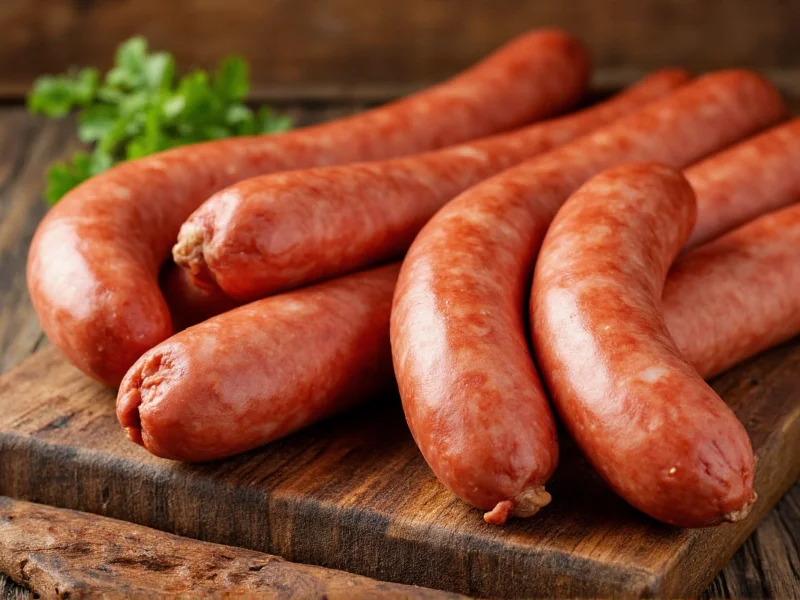
Vegan sausage has evolved dramatically from the early, often disappointing meat alternatives of the past. Today's plant-based sausages offer impressive texture, flavor complexity, and cooking properties that closely mimic their meat counterparts. This comprehensive guide explores what makes quality vegan sausage, how it compares nutritionally to traditional options, and how to best incorporate it into your cooking.
What Exactly Is Vegan Sausage Made Of?
Modern vegan sausages rely on sophisticated ingredient combinations to achieve that characteristic sausage experience. The primary protein sources vary significantly between brands and types:
| Primary Protein Source | Common Brands Using This Base | Texture Characteristics | Allergen Considerations |
|---|---|---|---|
| Soy protein isolate | Field Roast, Lightlife | Firm, slightly chewy | Contains soy |
| Pea protein | Beyond Meat, Sweet Earth | Meaty, substantial bite | Soy-free, gluten-free options available |
| Wheat gluten (seitan) | Upton's Naturals, homemade versions | Chewy, elastic texture | Contains gluten, not suitable for celiac |
| Mushroom-based | Hodo Foods, some artisanal brands | Meaty umami flavor, tender | Naturally gluten-free and soy-free |
| Bean/lentil combinations | Applegate Organics, some store brands | Softer texture, earthy flavor | Generally allergen-friendly |
Binding agents like methylcellulose, potato starch, or flaxseed help maintain structure during cooking, while natural flavorings—often including smoked paprika, garlic, fennel, and other traditional sausage spices—create authentic taste profiles. High-quality vegan sausages avoid artificial preservatives and focus on recognizable ingredients.
Nutritional Comparison: Vegan vs Traditional Sausage
Understanding the nutritional differences between plant-based and meat sausages helps make informed dietary choices. While specific values vary by brand and recipe, general patterns emerge:
| Nutrient (per 3oz serving) | Vegan Sausage Average | Pork Sausage Average | Significance |
|---|---|---|---|
| Calories | 180-220 | 290-350 | Vegan options typically lower in calories |
| Total Fat | 12-16g | 25-30g | Significantly less total fat in plant-based versions |
| Saturated Fat | 1.5-3g | 9-12g | Major difference—vegan sausages contain minimal saturated fat |
| Cholesterol | 0mg | 70-85mg | Plant-based options are cholesterol-free |
| Protein | 12-18g | 14-18g | Comparable protein content in quality products |
| Fiber | 3-6g | 0g | Significant fiber content only in plant-based options |
| Sodium | 400-600mg | 500-700mg | Both tend to be high in sodium; check labels |
The most significant nutritional advantages of quality vegan sausage alternatives include the absence of cholesterol, substantially lower saturated fat content, and the presence of dietary fiber—none of which are found in traditional meat sausages. However, sodium levels remain high in both categories, making moderation advisable for those monitoring sodium intake.
Types of Vegan Sausage Available
Today's market offers diverse vegan sausage varieties catering to different dietary needs and flavor preferences:
- Breakfast-style vegan sausage: Typically features maple or sage seasoning, available as patties or links
- Italian-style vegan sausage: Contains fennel, garlic, and red pepper flakes for classic flavor
- Bratwurst-style vegan sausage: Mildly spiced with nutmeg and caraway
- Chorizo-style vegan sausage: Smoky, spicy option using paprika and chili peppers
- Gluten-free vegan sausage: Made with alternative binders for those with celiac disease
- Soy-free vegan sausage: Uses pea protein or beans as primary protein source
- Oil-free vegan sausage: For those avoiding added fats in their plant-based diet
When selecting vegan sausage products, carefully read ingredient labels to ensure they align with your specific dietary requirements and preferences. Many specialty brands now offer organic, non-GMO, and minimally processed options that appeal to health-conscious consumers seeking plant-based sausage alternatives.
Mastering Vegan Sausage Cooking Techniques
While vegan sausages cook similarly to meat versions, understanding their unique properties ensures optimal results. The best cooking methods for plant-based sausages include:
- Pan-frying: Heat 1-2 teaspoons of oil in a skillet over medium heat. Cook sausages for 8-10 minutes, turning frequently until golden brown on all sides. This method creates excellent browning and texture.
- Grilling: Preheat grill to medium heat. Lightly oil the grates and grill sausages for 10-12 minutes, turning occasionally. Use a grill basket for smaller links to prevent falling through.
- Baking: Place sausages on a parchment-lined baking sheet and bake at 375°F (190°C) for 15-20 minutes until heated through and slightly crisped.
- Air frying: Cook at 375°F (190°C) for 10-12 minutes, shaking the basket halfway through for even cooking.
Critical tips for perfect vegan sausage preparation:
- Never pierce vegan sausages while cooking—they don't contain fat that needs to escape like meat sausages
- Cook to an internal temperature of 165°F (74°C) for food safety
- Avoid high heat which can cause plant-based sausages to become tough or crumbly
- Let sausages rest for 3-5 minutes after cooking for optimal texture
- For enhanced flavor, add a splash of vegetable broth to the pan during the last few minutes of cooking
Health Considerations of Regular Vegan Sausage Consumption
While vegan sausages offer nutritional advantages over traditional meat options, they should be considered part of a balanced diet rather than health foods. Key considerations include:
Processed plant-based meats typically contain higher sodium levels than whole food plant proteins. A single vegan sausage link often contains 300-500mg of sodium, representing 13-22% of the recommended daily limit. Those monitoring sodium intake should look for low-sodium varieties or consume these products in moderation.
The protein quality in vegan sausages varies significantly. Products using multiple protein sources (like pea and rice protein combined) typically offer more complete amino acid profiles than those relying on a single protein source. Reading nutrition labels helps identify options with balanced protein content.
Many vegan sausages contain added oils to improve texture and mouthfeel. While these are generally healthier unsaturated fats compared to the saturated fats in meat sausages, they still contribute to calorie density. Those following low-fat plant-based diets should seek oil-free varieties.
Sustainable Eating: Environmental Impact of Plant-Based Sausages
Choosing vegan sausage over traditional meat sausage generally reduces environmental impact, though the degree varies by ingredients and production methods. Research indicates plant-based meat alternatives typically require:
- Approximately 90% less land use
- About 45-50% less energy consumption
- Roughly 75-90% less water usage
- Significantly lower greenhouse gas emissions (up to 85% less)
However, highly processed plant-based meats still have a larger environmental footprint than whole plant foods like beans and lentils. For maximum sustainability benefits, consider homemade vegan sausage recipes using whole food ingredients, which eliminate packaging waste and reduce processing energy.
Frequently Asked Questions
Can vegan sausage be part of a healthy diet?
Yes, vegan sausage can be part of a balanced diet when consumed in moderation. While lower in saturated fat and cholesterol-free compared to meat sausages, most commercial varieties are still processed foods with moderate sodium content. Pair vegan sausages with vegetables, whole grains, and other nutrient-dense foods for a well-rounded meal. For optimal health benefits, choose varieties with recognizable ingredients and minimal additives.
How do I know if a vegan sausage is high quality?
High-quality vegan sausages typically feature a short ingredient list with recognizable components, contain 10g or more of protein per serving, have moderate sodium levels (under 500mg per serving), and maintain their structure during cooking without becoming mushy or crumbly. They should also deliver satisfying flavor without overwhelming artificial tastes. Reading reviews and trying different brands helps identify quality products that meet your standards for plant-based sausage alternatives.
Do vegan sausages contain enough protein?
Most quality vegan sausages contain 12-18g of protein per serving, comparable to traditional meat sausages. The protein comes from plant sources like soy, peas, or beans. While individual vegan sausages provide substantial protein, they shouldn't be your sole protein source. For complete amino acid profiles, vary your plant proteins throughout the day by including legumes, whole grains, nuts, and seeds in addition to plant-based meat alternatives.
Can I freeze vegan sausage?
Yes, most vegan sausages freeze well for up to 3 months. Keep them in their original packaging if unopened, or wrap opened sausages tightly in plastic wrap followed by aluminum foil or place in airtight freezer bags. Thaw in the refrigerator overnight before cooking for best results. Some brands may become slightly more crumbly after freezing, so check manufacturer recommendations when available.
Are all vegan sausages gluten-free?
No, not all vegan sausages are gluten-free. Many use wheat gluten (seitan) as a primary protein source, which contains gluten. However, numerous brands offer gluten-free options using pea protein, soy, or bean-based formulations. Always check the packaging for gluten-free certification if you have celiac disease or gluten sensitivity, as cross-contamination can occur in facilities that process gluten-containing products.




 浙公网安备
33010002000092号
浙公网安备
33010002000092号 浙B2-20120091-4