
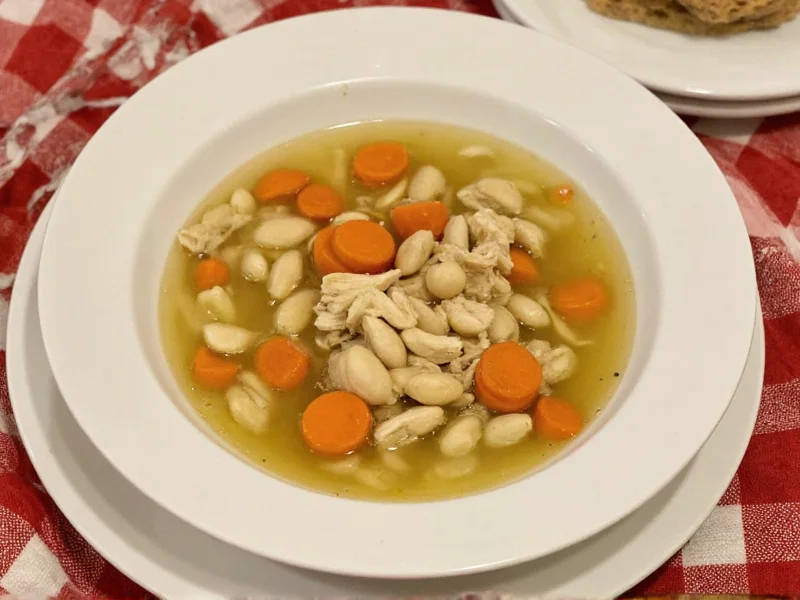
Originating from Mediterranean culinary traditions, white bean chicken soup has evolved into a beloved comfort food across cultures. The combination of lean protein from chicken and fiber-rich cannellini beans creates a balanced meal that satisfies hunger while delivering substantial nutritional benefits. Unlike many creamy soups, this version achieves its rich texture naturally through the breakdown of beans during cooking, eliminating the need for heavy cream or excessive fats.
The Nutritional Powerhouse Behind the Pot
What makes white bean chicken soup stand out nutritionally? The magic lies in its core ingredients. Cannellini beans, the star legume in this dish, provide a remarkable nutritional profile that transforms a simple soup into a health-promoting meal. These creamy white beans deliver complete protein when paired with chicken, creating an amino acid profile that supports muscle maintenance and repair.
| Nutrient | Per Serving (1.5 cups) | Daily Value % |
|---|---|---|
| Calories | 290 | 15% |
| Protein | 25g | 50% |
| Fiber | 9g | 36% |
| Vitamin B6 | 0.8mg | 47% |
| Iron | 3.2mg | 18% |
The soup's nutritional benefits extend beyond basic macronutrients. The combination of beans and chicken creates a low-glycemic meal that helps maintain stable blood sugar levels, making it suitable for those managing diabetes. The high fiber content from the beans promotes digestive health and creates lasting satiety, which can support healthy weight management. Additionally, the soup contains significant amounts of potassium, magnesium, and folate from the beans, complemented by selenium and B vitamins from the chicken.
Essential Ingredients and Their Purpose
Creating an exceptional white bean chicken soup requires understanding why each ingredient matters. While recipes vary, certain components consistently deliver the best results:
- Cannellini beans - These large, creamy white beans break down slightly during cooking, naturally thickening the soup without needing roux or cream. Their mild flavor absorbs other seasonings beautifully.
- Bone-in chicken thighs - Often preferred over breasts for soup making, thighs release collagen during cooking that creates a richer broth and stays moist throughout the cooking process.
- Aromatic vegetable base - The classic mirepoix (onion, celery, carrots) provides foundational flavor, while garlic and herbs like rosemary or thyme add complexity.
- Homemade or quality store-bought broth - Forms the liquid base; low-sodium versions allow better control of the final seasoning.
- Acid component - A splash of lemon juice or vinegar added at the end brightens flavors and enhances the perception of richness.
Step-by-Step Preparation Guide
Follow this method for consistently excellent white bean chicken soup that showcases the ingredients' natural flavors:
- Sear the chicken - Pat bone-in chicken thighs dry and season with salt and pepper. Sear in olive oil until golden brown on both sides (about 3-4 minutes per side). Remove and set aside.
- Sauté aromatics - In the same pot, cook diced onions, carrots, and celery over medium heat until softened (5-7 minutes). Add minced garlic and cook for 1 minute more.
- Build the broth - Add 6 cups of chicken broth, scraping up any browned bits from the bottom of the pot. These fond particles add tremendous flavor.
- Simmer chicken - Return chicken to the pot, along with any accumulated juices. Simmer covered for 25 minutes until chicken reaches 165°F internally.
- Add beans and seasonings - Remove chicken, shred meat, and return to pot with 2 cups of rinsed cannellini beans, 1 teaspoon dried thyme, and a bay leaf.
- Final simmer - Cook uncovered for 15 minutes to allow flavors to meld and soup to thicken slightly.
- Finish with freshness - Stir in 2 tablespoons lemon juice and chopped fresh parsley just before serving.
Variations for Different Cooking Methods
White bean chicken soup adapts beautifully to various cooking techniques, making it accessible regardless of your kitchen equipment:
| Cooking Method | Adjustments Needed | Time Required |
|---|---|---|
| Stovetop | Standard method as described above | 45 minutes |
| Slow cooker | Add all ingredients except lemon juice and parsley; cook on low 6-8 hours | 6-8 hours |
| Instant Pot | Use poultry setting for 12 minutes with natural release | 25 minutes total |
| Oven-braised | Covered dish at 325°F for 1.5 hours | 1.5 hours |
Avoiding Common Preparation Mistakes
Even simple soups can go wrong without proper technique. These pitfalls frequently undermine otherwise promising white bean chicken soup:
- Using canned beans without rinsing - The starchy liquid in canned beans can make soup cloudy and overly thick. Always rinse beans thoroughly before adding.
- Overcooking the chicken - Boiling chicken vigorously makes it tough. Simmer gently after the initial sear for tender results.
- Adding acid too early - Lemon juice or vinegar added at the beginning of cooking can prevent beans from softening properly. Wait until the final minutes.
- Skipping the sear - Taking time to properly sear the chicken creates fond (browned bits) that forms the flavor foundation of the soup.
- Underseasoning - Soup needs more seasoning than dry dishes because liquid dilutes flavors. Season in layers throughout the cooking process.
Storage and Reheating for Maximum Flavor
One of white bean chicken soup's advantages is how its flavor improves with time. Proper storage maintains quality while enhancing taste:
Store cooled soup in airtight containers for up to 4 days in the refrigerator or freeze for up to 3 months. When reheating, add a splash of broth or water as the soup thickens when chilled. The soup's flavor typically deepens and improves on the second day as the ingredients' flavors fully integrate.
For best results when freezing, leave out the lemon juice and fresh herbs before freezing. Add these fresh elements when reheating for optimal brightness and flavor.
Perfect Pairings for Complete Meals
White bean chicken soup stands well on its own but becomes a complete dining experience with thoughtful accompaniments:
- Bread options - Crusty artisan bread, garlic bread, or cornbread provide satisfying texture contrast
- Green additions - A simple arugula salad with lemon vinaigrette or steamed green beans complement the soup's richness
- Protein boosters - For heartier meals, add a poached egg or grilled shrimp on top
- Wine pairings - A medium-bodied white like Pinot Grigio or light red like Beaujolais enhances the meal
Frequently Asked Questions
Can I make white bean chicken soup without chicken broth?
Yes, you can substitute vegetable broth or even water with additional seasonings. For best flavor, add a parmesan rind while simmering or include umami-rich ingredients like mushrooms or tomato paste to compensate for the missing chicken flavor profile.
How do I prevent beans from becoming mushy in soup?
Add canned beans during the last 15-20 minutes of cooking. For dried beans, cook them separately until just tender before adding to the soup. Acidic ingredients like tomatoes or vinegar should be added later in the cooking process as they can prevent beans from softening properly.
Is white bean chicken soup suitable for freezing?
Yes, white bean chicken soup freezes exceptionally well for up to 3 months. For best results, freeze without fresh herbs or acid components like lemon juice, which should be added when reheating. Leave some headspace in containers as the soup expands when frozen.
What are the best herbs to use in white bean chicken soup?
Rosemary and thyme provide classic Mediterranean flavors that complement both chicken and beans. Sage works well for a more earthy profile, while fresh parsley added at the end brightens the entire dish. Avoid strong herbs like oregano that can overpower the delicate bean flavor.
Can I make this soup in a crockpot for meal prep?
Absolutely. For crockpot preparation, sear the chicken first, then add all ingredients except fresh herbs and lemon juice. Cook on low for 6-8 hours. Shred the chicken before serving and add the finishing touches of acid and fresh herbs just before eating for the best flavor and texture.




 浙公网安备
33010002000092号
浙公网安备
33010002000092号 浙B2-20120091-4