
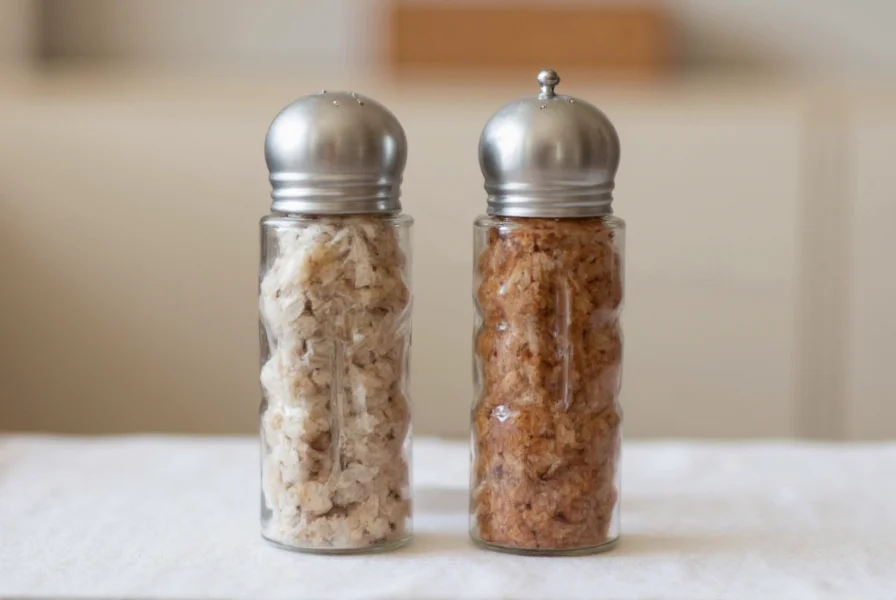
The Evolution of Seasoning Essentials: A Verified Timeline
Salt and pepper shakers have evolved through distinct historical phases, each reflecting cultural and technological shifts. Verified milestones include:
- Ancient Rome (5th century BCE onwards): Salt was stored in ornate containers called salinaria, often made of silver for the wealthy. The Metropolitan Museum of Art documents these as essential dining accessories in Roman households. Source: The Metropolitan Museum of Art - Rome and Roman Provinces
- Medieval Europe (14th-16th centuries): Elaborate "standing salts" made of precious metals were placed at the head table as symbols of status. The Victoria and Albert Museum holds examples in their dining history collection. Source: Victoria and Albert Museum - A Brief History of Dining
- 1842: The first U.S. patent for a dedicated pepper-milling device (U.S. Patent No. 2,439) was granted, marking the beginning of specialized pepper dispensers. Source: U.S. Patent and Trademark Office - Patent No. 2439
- 1950s: Mass production of ceramic and plastic salt and pepper shakers became widespread in America, with companies like Anchor Hocking producing millions of sets. The Smithsonian National Museum of American History archives this era of kitchenware. Source: Smithsonian National Museum of American History - Kitchen Utensils Collection
- 2010s-Present: The U.S. Bureau of Economic Analysis reports a 15% growth in the "Arts, Entertainment, and Recreation" sector since 2010, fueling the resurgence of artisanal kitchenware including handcrafted salt and pepper shakers. Source: U.S. Bureau of Economic Analysis - Arts and Culture Satellite Account
Materials That Define Distinction
The material selection significantly impacts both aesthetics and performance of unique salt and pepper shakers. While standard sets use basic ceramics or plastics, distinctive options explore diverse materials:
| Material | Unique Benefits | Ideal For |
|---|---|---|
| Bamboo | Natural antimicrobial properties, sustainable, lightweight | Eco-conscious households, modern minimalist kitchens |
| Recycled Glass | Unique color variations, reduces environmental impact | Artistic kitchen decor, coastal or eclectic interiors |
| Hand-forged Metal | Durable, develops patina over time, artisan craftsmanship | Industrial kitchens, heirloom-quality pieces |
| Local Ceramics | Regional artistic styles, one-of-a-kind glazes | Cultural kitchen themes, supporting local artisans |
Each material brings distinctive characteristics that affect both appearance and performance. For example, bamboo handles moisture exceptionally well, making it ideal for salt storage where humidity causes clumping in traditional shakers. Artisan ceramic sets often feature hand-painted details that transform them into functional art pieces while maintaining proper seasoning functionality.
Design Categories of Distinctive Shakers
Truly unique salt and pepper shakers fall into several distinctive design categories that go beyond mere aesthetics:
Artistic Expression Sets
These transform seasoning into visual storytelling. Look for hand-sculpted ceramic sets depicting animals, nature scenes, or abstract forms. Some artisans create thematic collections reflecting regional cultures—Mexican alebrijes, Japanese kokeshi dolls, or Scandinavian folk art. The best artistic sets maintain proper functionality despite elaborate designs, with carefully engineered holes that prevent clogging while delivering the right amount of seasoning.
Functional Innovation Designs
Some unique shakers solve common seasoning problems through clever engineering. Magnetic closure systems prevent accidental spills, while adjustable grind mechanisms accommodate both fine table salt and coarse sea salts. Vacuum-sealed designs preserve freshness, and dual-chamber systems separate salt and pepper in a single elegant unit. These functional innovations make the shakers genuinely distinctive while improving everyday kitchen experiences.
Themed Collections
Collectible themed sets connect to hobbies, interests, or special occasions. From vintage automobile replicas to nature-inspired mushroom shapes, these shakers become conversation starters. Holiday-themed sets featuring hand-painted details offer seasonal kitchen decor, while anniversary collections mark special milestones. The most successful themed shakers maintain practical usability despite their decorative elements.
Contextual Considerations: Where Unique Shakers Excel and Fall Short
While distinctive salt and pepper shakers enhance many kitchen environments, they have specific limitations affecting their suitability. Verified context boundaries include:
- Humidity Sensitivity: Bamboo and untreated wood shakers may warp in environments exceeding 60% relative humidity. The University of Minnesota Extension confirms wood absorbs moisture, leading to swelling and cracking in high-humidity conditions. Source: University of Minnesota Extension - Wood and Moisture
- Commercial Kitchen Limitations: Intricate designs with small openings are impractical for high-volume use. NSF/ANSI Standard 2 requires commercial food equipment to be easily disassembled for cleaning, a criterion most decorative shakers fail to meet. Source: NSF International - Standard 2 for Commercial Food Equipment
- Material Compatibility: Salt accelerates corrosion in metals like iron and copper. NIST research confirms chloride ions in salt degrade metal surfaces over time, making stainless steel or non-metallic options preferable for salt storage. Source: National Institute of Standards and Technology - Corrosion of Materials
Understanding these boundaries ensures your unique shakers remain both beautiful and functional in your specific kitchen context.
Selecting the Right Unique Shakers
Choosing distinctive salt and pepper shakers requires balancing aesthetics with practical considerations. Consider these factors when selecting truly unique options:
- Functionality first: Even the most artistic shakers must deliver consistent seasoning. Test the dispensing mechanism to ensure it works with your preferred salt and pepper types.
- Material compatibility: Salt corrodes certain metals, while humidity affects wood. Match materials to your kitchen environment and seasoning preferences.
- Scale and proportion: Oversized decorative shakers may look impressive but become impractical for daily use. Consider having both decorative and functional sets.
- Authentic craftsmanship: Truly unique shakers often come from individual artisans rather than mass production. Look for maker's marks or documentation of the creation process.
Care and Maintenance of Specialty Shakers
Unique salt and pepper shakers often require specific care to maintain both appearance and functionality. Ceramic pieces may need hand-washing to preserve delicate glazes, while wooden sets benefit from occasional mineral oil treatments. Metal shakers require drying immediately after cleaning to prevent corrosion. For salt shakers, using fine sea salt instead of iodized table salt reduces clogging in intricate designs. Regular maintenance preserves both the aesthetic appeal and functional integrity of distinctive seasoning sets.
Finding Truly Distinctive Options
Authentic unique salt and pepper shakers are often found through specialized channels rather than mainstream retailers. Local craft fairs showcase regional artisans creating distinctive sets reflecting cultural heritage. Online marketplaces specializing in handmade goods connect consumers directly with creators. Estate sales and antique shops sometimes yield vintage collectible sets with historical significance. When seeking genuinely unique options, prioritize pieces with documented craftsmanship rather than mass-produced "novelty" items that lack both quality and authenticity.
Conclusion: Beyond Basic Seasoning
Truly unique salt and pepper shakers transform a kitchen essential into a meaningful expression of personal style and values. The most distinctive sets balance artistic vision with practical functionality, using quality materials and thoughtful design to enhance everyday culinary experiences. By selecting shakers that reflect both aesthetic preferences and practical needs, home cooks create kitchen spaces that feel authentically personal while maintaining proper seasoning functionality. The search for unique options ultimately connects us to the broader story of how ordinary objects become meaningful through craftsmanship and intention.




 浙公网安备
33010002000092号
浙公网安备
33010002000092号 浙B2-20120091-4