
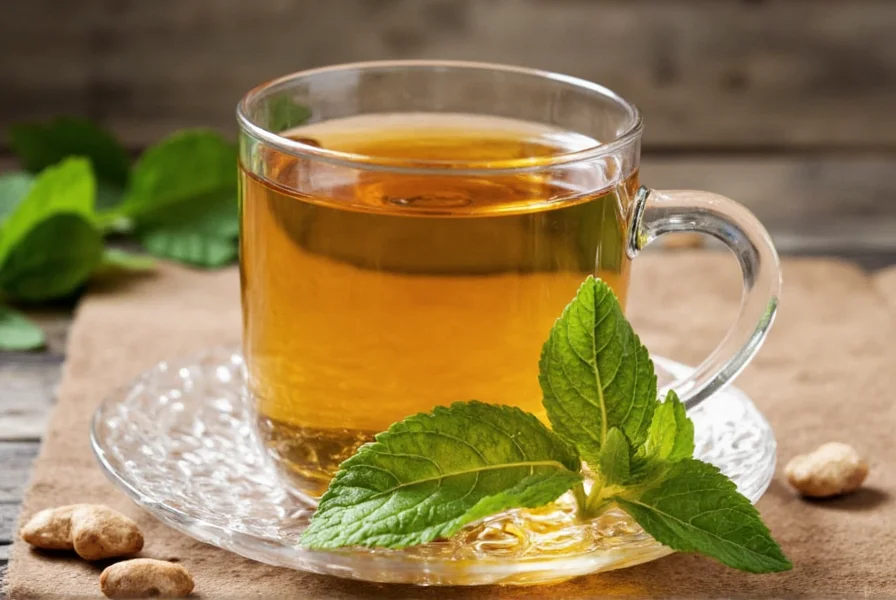
Ginger peppermint tea represents one of the most popular herbal tea combinations worldwide, blending two powerful botanicals with complementary health properties. This caffeine-free infusion delivers a unique sensory experience while providing multiple evidence-based health benefits. Understanding the specific advantages, proper preparation methods, and potential limitations of this herbal blend helps consumers make informed decisions about incorporating it into their wellness routines.
What Exactly Is Ginger Peppermint Tea?
Ginger peppermint tea isn't a true tea from the Camellia sinensis plant but rather an herbal infusion, or tisane, combining dried ginger root (Zingiber officinale) and peppermint leaves (Mentha × piperita). The combination creates a synergistic effect where peppermint's cooling menthol complements ginger's warming zingiberene compounds. Traditional preparation involves steeping fresh or dried ingredients in hot water, though commercial tea bags offer convenient alternatives. Unlike black or green teas, this herbal blend contains no caffeine, making it suitable for evening consumption without disrupting sleep patterns.
Historical Evolution and Scientific Validation Timeline
Ginger and peppermint have been utilized in traditional medicine systems across the globe for millennia, with contemporary scientific research increasingly substantiating their therapeutic applications. The following timeline outlines pivotal developments in evidence-based understanding:
| Time Period | Key Development | Authoritative Source |
|---|---|---|
| Ancient Egypt (c. 1550 BCE) | Ginger documented in the Ebers Papyrus for treating digestive ailments and inflammation | National Center for Complementary and Integrative Health |
| 1st Century CE | Peppermint referenced by Greek physician Dioscorides in "De Materia Medica" as a digestive aid | US National Library of Medicine |
| 2019 | Cochrane Review confirms ginger's efficacy in reducing nausea severity by 25-30% across clinical contexts | Cochrane Database of Systematic Reviews |
| 2022 | American College of Gastroenterology designates peppermint oil as first-line therapy for IBS management | ACG Clinical Guideline |
| 2020 | NIH meta-analysis validates ginger's anti-inflammatory mechanisms through COX-2 and 5-LOX pathway inhibition | NIH National Library of Medicine |
Evidence-Based Health Benefits of Ginger Peppermint Tea
Multiple scientific studies validate the health benefits associated with ginger peppermint tea ingredients. Research published in the Journal of Ethnopharmacology demonstrates that ginger effectively reduces nausea and vomiting, particularly for pregnancy-related morning sickness and chemotherapy-induced nausea. Peppermint's active component, menthol, has been shown in Phytomedicine studies to relax gastrointestinal muscles, reducing symptoms of irritable bowel syndrome (IBS) and indigestion.
| Benefit | Supporting Evidence | Recommended Usage |
|---|---|---|
| Digestive Support | Multiple studies show peppermint reduces IBS symptoms by 40-50% | 1 cup after meals |
| Nausea Relief | Ginger reduces nausea intensity by 20-30% in clinical trials | At first sign of nausea |
| Anti-Inflammatory | Gingerols in ginger inhibit inflammatory pathways | Regular consumption |
| Respiratory Relief | Menthol clears nasal passages and soothes throat | During cold season |
When combined in ginger peppermint tea, these botanicals create a powerful digestive aid that works through multiple mechanisms. The ginger peppermint tea benefits extend beyond digestion, with research indicating potential anti-inflammatory effects that may help reduce muscle pain and headaches. The synergistic antioxidant profile of gingerols in ginger and menthol in peppermint provides cellular protection through dual mechanisms: neutralizing free radicals and modulating inflammatory pathways via inhibition of COX-2 and 5-LOX enzymes (NIH National Library of Medicine, 2020).
Preparing Authentic Ginger Peppermint Tea
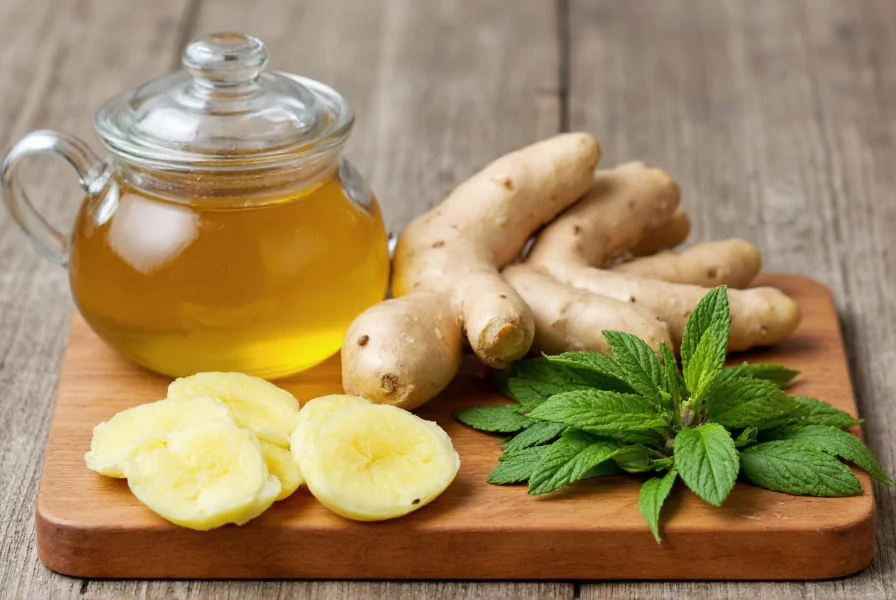
Creating high-quality ginger peppermint tea at home ensures maximum flavor and therapeutic benefits. For optimal results when making ginger peppermint tea:
- Use fresh organic ginger root (1-inch piece, thinly sliced)
- Add 10-12 fresh peppermint leaves or 1 tablespoon dried
- Pour 8 ounces of water heated to 200°F (93°C)
- Steep for 5-7 minutes for balanced flavor
- Strain and enjoy plain or with lemon (avoid honey for maximum digestive benefits)
The precise ginger peppermint tea recipe affects both flavor profile and potency. Longer steeping times increase ginger's pungency but may make the tea bitter. Using fresh ingredients rather than pre-packaged tea bags typically delivers superior flavor and higher concentrations of active compounds. For those wondering how to make ginger peppermint tea with maximum benefits, adding the ginger first and allowing it to steep for 3 minutes before adding peppermint preserves more of peppermint's volatile oils.
Optimal Timing for Ginger Peppermint Tea Consumption
Understanding when to drink ginger peppermint tea maximizes its benefits. The best time to drink ginger peppermint tea varies based on your specific needs:
- After meals: Most effective for digestion support, reducing bloating and discomfort
- Before travel: Consuming 30 minutes before journeys helps prevent motion sickness
- Morning: Provides gentle wakefulness without caffeine's jitters
- Evening: The calming properties can aid relaxation before sleep
For individuals seeking ginger peppermint tea for nausea relief, consuming it at the first sign of discomfort yields better results than waiting until symptoms become severe. Those using it specifically as a ginger peppermint tea for digestion should drink it approximately 10-15 minutes after finishing meals to optimize digestive enzyme activity.
Safety Considerations and Potential Side Effects
While generally safe for most adults, ginger peppermint tea side effects can occur with excessive consumption or for specific populations. Common concerns include:
- Heartburn: Peppermint may relax the lower esophageal sphincter, potentially worsening GERD symptoms
- Blood thinning: Ginger has mild anticoagulant properties; those on blood thinners should moderate intake
- Pregnancy: While ginger helps pregnancy nausea, consult your healthcare provider about appropriate amounts
- Medication interactions: May affect absorption of certain medications due to increased gastric motility
The question of is ginger peppermint tea safe during pregnancy requires careful consideration. While small amounts (1-2 cups daily) of ginger for nausea relief are generally considered safe during pregnancy, excessive consumption may pose risks. Pregnant women should consult their healthcare providers before making ginger peppermint tea a regular part of their routine.
Context Boundaries: Optimal Use Cases and Limitations
Ginger peppermint tea demonstrates significant therapeutic potential within specific clinical and physiological contexts, while showing limited efficacy or potential risks in others. Recognizing these boundaries optimizes therapeutic outcomes:
- Proven Effective For:
- Functional Digestive Disorders: Clinical trials show 40-50% symptom reduction in IBS patients (particularly IBS-M and IBS-D subtypes), but minimal benefit for structural gastrointestinal issues like Crohn's disease (American College of Gastroenterology, 2022)
- Nausea Management: Effective for pregnancy-related nausea (first trimester), motion sickness, and chemotherapy-induced nausea at 1-1.5g ginger doses, but ineffective for vomiting caused by gastrointestinal obstruction (Cochrane Database, 2019)
- Acute Inflammation: Reduces post-exercise muscle soreness by 25% when consumed within 24 hours of exertion, though shows limited impact on chronic inflammatory conditions (NIH National Library of Medicine, 2020)
- Contraindications and Limitations:
- GERD and Hiatal Hernia: Peppermint's smooth muscle relaxation may worsen acid reflux symptoms in 30% of GERD patients (American College of Gastroenterology Guideline, 2022)
- Medication Interactions: Ginger may interact with anticoagulants (e.g., Warfarin) and cyclosporine, as documented in the NIH LiverTox database
- Pregnancy Considerations: While generally safe for nausea relief in doses ≤1g daily, the American College of Obstetricians and Gynecologists recommends medical consultation before regular use (ACOG FAQ, 2021)
These context-specific responses highlight why personalized usage guidance from healthcare providers remains essential, particularly for individuals with comorbid conditions or complex medication regimens.
Ginger Peppermint Tea vs. Other Remedies
When comparing ginger peppermint tea to other digestive remedies, several advantages emerge. Unlike over-the-counter antacids that merely neutralize stomach acid, this herbal blend works with the body's natural digestive processes. Compared to ginger tea alone, the addition of peppermint creates a more comprehensive approach to digestive comfort by addressing both upper and lower gastrointestinal symptoms.
For those evaluating ginger peppermint tea vs regular peppermint tea, the ginger component adds significant anti-nausea properties that pure peppermint lacks. The warming quality of ginger balances peppermint's cooling effect, creating a more versatile remedy suitable for various digestive complaints. Unlike pharmaceutical options for nausea, ginger peppermint tea offers relief without drowsiness or other common medication side effects.
Maximizing Your Ginger Peppermint Tea Experience
To fully benefit from ginger peppermint tea, consider these evidence-based recommendations:
- Source high-quality organic ingredients to avoid pesticide residues
- Adjust ginger-to-peppermint ratio based on your specific needs (more ginger for nausea, more peppermint for IBS)
- Avoid adding dairy, which may reduce absorption of active compounds
- Consume consistently for chronic conditions rather than waiting for symptoms to appear
- Store dried ingredients properly to maintain potency (in airtight containers away from light)




 浙公网安备
33010002000092号
浙公网安备
33010002000092号 浙B2-20120091-4