
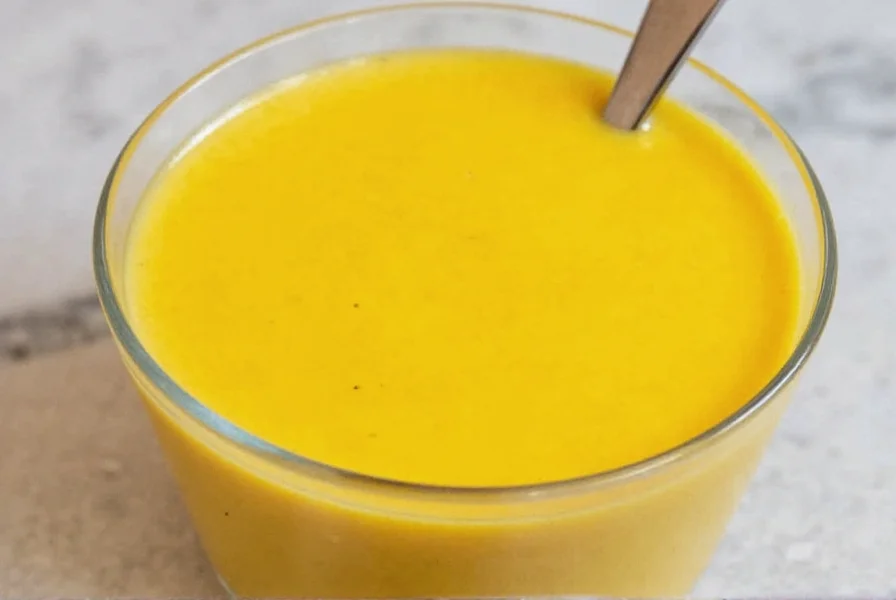
Golden milk, also known as haldi doodh in Ayurvedic tradition, has gained global popularity for its vibrant color and potential wellness benefits. This warming beverage combines turmeric's active compound curcumin with complementary ingredients that boost bioavailability. When prepared correctly, turmeric milk offers a comforting evening ritual that supports your body's natural inflammatory response without making unsubstantiated health claims.
The Science Behind Turmeric Milk Benefits
Curcumin, turmeric's primary active component, demonstrates poor absorption when consumed alone. Research shows that combining turmeric with black pepper (containing piperine) increases curcumin absorption by up to 2,000%. Similarly, the fat content in milk—whether dairy or coconut—enhances the uptake of this fat-soluble compound. These synergistic relationships form the foundation of an effective turmeric milk recipe that maximizes potential benefits.
Traditional Turmeric Milk Recipe
This authentic preparation method follows time-tested techniques for optimal flavor and nutrient availability. Unlike quick microwave versions, this stovetop method properly infuses the ingredients.
| Ingredient | Amount | Why It Matters |
|---|---|---|
| Milk (dairy or plant-based) | 1 cup | Provides fat for curcumin absorption |
| Turmeric powder | 1/2 teaspoon | Source of curcumin (avoid excessive amounts) |
| Black pepper | Pinch (about 1/8 tsp) | Contains piperine to boost absorption |
| Cinnamon | 1/4 teaspoon | Adds flavor and complementary compounds |
| Healthy fat (optional) | 1/4 teaspoon coconut oil or ghee | Further enhances curcumin bioavailability |
| Sweetener (optional) | To taste | Honey, maple syrup, or date syrup work well |
Step-by-Step Preparation Guide
- Pour 1 cup of milk into a small saucepan
- Add 1/2 teaspoon turmeric powder, 1/4 teaspoon cinnamon, and a pinch of black pepper
- Include 1/4 teaspoon coconut oil or ghee if using
- Heat over medium-low temperature, whisking constantly
- Maintain just below boiling point (160-180°F / 70-82°C) for 5-7 minutes
- Add sweetener to taste after removing from heat
- Strain through a fine mesh sieve to remove any sediment
- Serve immediately in a pre-warmed mug
Perfecting Your Homemade Turmeric Latte
Achieving the ideal golden milk requires attention to detail. Never bring the mixture to a full boil, as this degrades curcumin and causes dairy milk to scorch. The optimal temperature range preserves the active compounds while properly infusing the flavors. For plant-based milks, choose full-fat coconut or oat varieties as they create the creamiest texture and best complement turmeric's earthy flavor.
Popular Variations for Different Dietary Needs
Adapt this basic turmeric milk recipe to suit various preferences and dietary requirements. For an anti-inflammatory turmeric drink with enhanced benefits, try adding 1/4 teaspoon of fresh grated ginger. Those seeking a turmeric milk for sleep might include 1/8 teaspoon of nutmeg along with the cinnamon. Vegan versions work exceptionally well with cashew or macadamia nut milks, which provide the necessary fat content without dairy.
Timing and Consumption Guidelines
For maximum benefit, consume turmeric milk 30-60 minutes before bedtime as part of your evening routine. The warm beverage promotes relaxation while providing the digestive system ample time to process the ingredients overnight. Limit consumption to one serving daily, as excessive turmeric intake may cause digestive discomfort in sensitive individuals. Those taking blood thinners or with gallbladder issues should consult their healthcare provider before regular consumption.
Storage and Freshness Tips
While freshly prepared turmeric milk delivers the best flavor and maximum benefits, you can prepare a larger batch for convenience. Store cooled turmeric milk in an airtight container in the refrigerator for up to 3 days. When reheating, use low temperature and avoid boiling. For longer storage, freeze in ice cube trays then transfer to freezer bags—thaw cubes overnight in the refrigerator before gently warming.
Common Questions About Turmeric Beverages
How much turmeric should I use in golden milk?
The recommended amount is 1/2 teaspoon of turmeric powder per serving. This provides approximately 1,000-1,500 mg of turmeric, which falls within typical dietary consumption ranges. Using more than 1 teaspoon daily may cause digestive issues for some people and doesn't necessarily increase benefits.
Why is black pepper essential in turmeric milk recipes?
Black pepper contains piperine, which significantly enhances the absorption of curcumin—the active compound in turmeric. Studies show piperine can increase curcumin bioavailability by up to 2,000%. Without this crucial ingredient, your body would absorb only a small fraction of the turmeric's potential benefits.
Can I make turmeric milk without milk?
Yes, you can create a dairy-free turmeric beverage using water, but this reduces curcumin absorption. For optimal results, use a fat source like coconut oil, ghee, or full-fat plant milk. The fat helps your body absorb curcumin, which is fat-soluble. Water-based versions still provide flavor but deliver significantly fewer potential benefits.
When is the best time to drink turmeric milk?
Most people enjoy turmeric milk in the evening, 30-60 minutes before bedtime. The warm beverage promotes relaxation, and consuming it at night allows your digestive system to process the ingredients overnight. However, some prefer it in the morning as part of their wellness routine. Avoid drinking it on an empty stomach if you have digestive sensitivity.
How long does it take to notice benefits from regular turmeric milk consumption?
Individual responses vary, but most people report noticing subtle effects after 2-4 weeks of consistent daily consumption. Turmeric works cumulatively in the body, so regular intake is more effective than occasional use. Remember that turmeric milk complements but doesn't replace medical treatment for specific health conditions.




 浙公网安备
33010002000092号
浙公网安备
33010002000092号 浙B2-20120091-4