
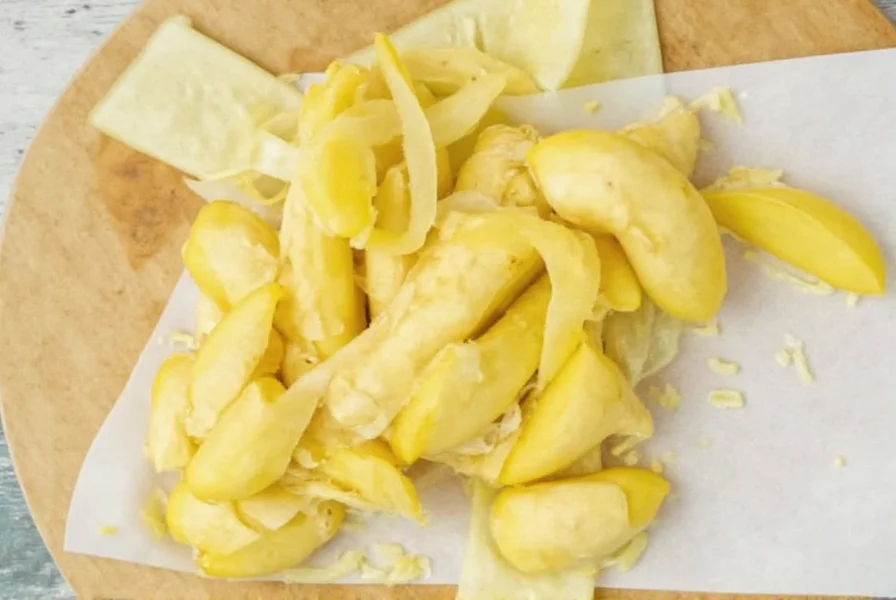
Yes, you can absolutely freeze fresh ginger—it's one of the best methods for long-term preservation while maintaining flavor and usability. Freezing ginger doesn't require peeling, works for whole roots or pre-prepared pieces, and allows you to grate frozen ginger directly into recipes without thawing. Properly stored, frozen ginger maintains quality for 6-12 months.
Preserving fresh ginger properly can save you money and reduce food waste while ensuring you always have this versatile ingredient on hand. Freezing stands out as the superior method compared to refrigeration or drying for most home cooks, offering convenience without significant flavor degradation.
Why Freezing Is the Best Preservation Method for Ginger
Unlike many vegetables and herbs, ginger actually responds well to freezing due to its dense, fibrous structure and high concentration of essential oils. When frozen correctly, ginger retains nearly all its pungent flavor compounds and medicinal properties. The freezing process halts enzyme activity that would otherwise cause deterioration, making it far more effective than refrigerator storage which typically preserves ginger for only 2-3 weeks.
Professional chefs and food preservation experts consistently recommend freezing as the optimal method for home storage of ginger. Unlike canning or pickling, freezing requires no added ingredients or special equipment, making it accessible to anyone with a standard home freezer.
Three Effective Methods for Freezing Fresh Ginger
Depending on how you typically use ginger in your cooking, different freezing approaches offer distinct advantages. Here's how to implement each technique properly:
1. Freezing Whole Ginger Root
This method works best if you use ginger infrequently or in larger quantities. Simply place unpeeled ginger roots in a freezer bag, removing as much air as possible before sealing. The skin protects the ginger from freezer burn and you can easily peel small sections as needed after freezing.
| Method | Preparation Time | Storage Duration | Best For |
|---|---|---|---|
| Whole Root | 2 minutes | 12 months | Occasional use, large recipes |
| Sliced Pieces | 10 minutes | 6 months | Stir-fries, soups |
| Grated Ginger | 15 minutes | 4 months | Baking, marinades |
2. Freezing Pre-Sliced Ginger
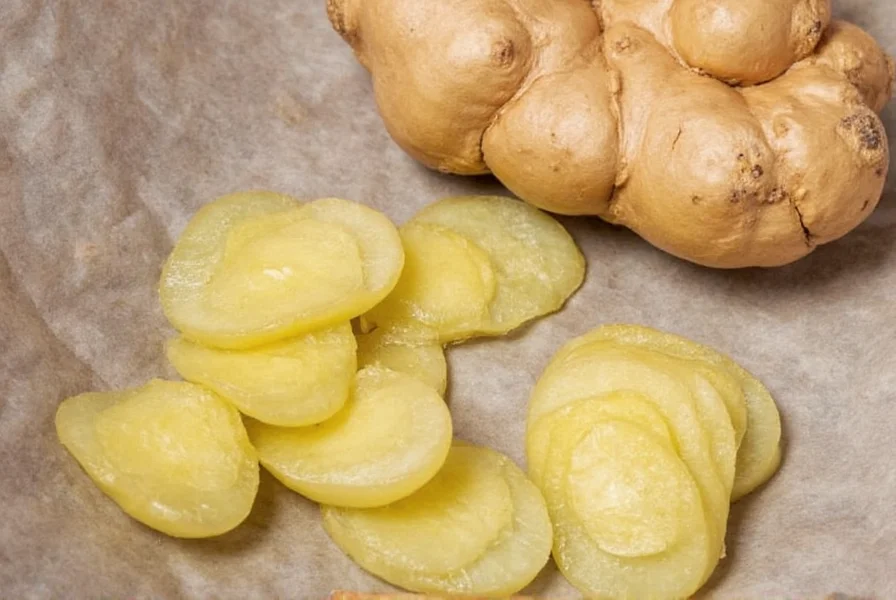
For those who use ginger regularly in cooking, slicing before freezing offers significant convenience. Peel the ginger, then cut into 1/4-inch thick slices. Arrange slices in a single layer on a parchment-lined baking sheet and freeze until solid (about 2 hours). Transfer the frozen slices to an airtight container or heavy-duty freezer bag. This flash-freezing technique prevents the slices from sticking together.
3. Freezing Grated Ginger
This method delivers maximum convenience for frequent users. Grate peeled ginger using a microplane, then portion into 1-teaspoon mounds on a parchment-lined tray. Freeze until solid, then transfer to a freezer container. When you need ginger for recipes, simply grab a frozen portion—it grates beautifully straight from the freezer without thawing.
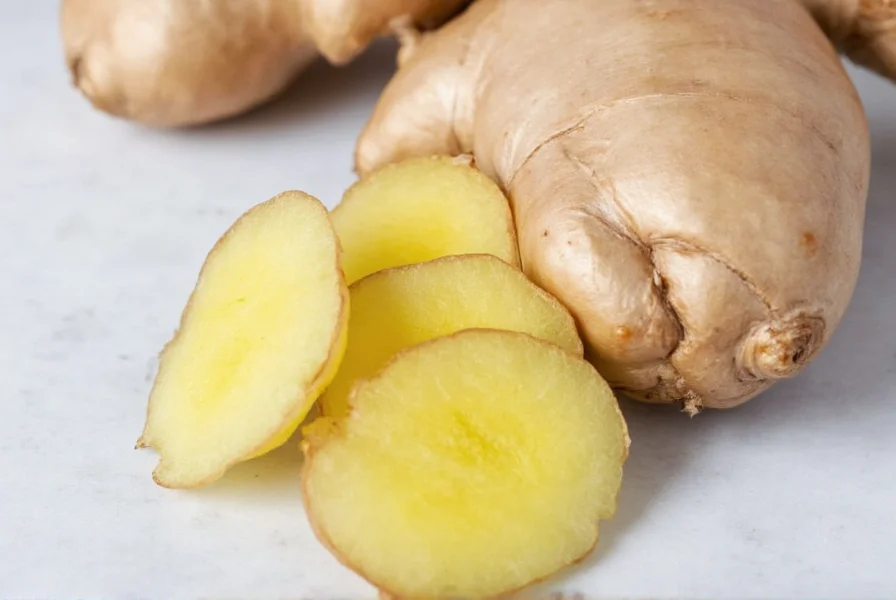
How Long Does Frozen Ginger Last?
When properly stored using the methods above, frozen ginger maintains excellent quality for:
- Whole ginger root: 10-12 months
- Sliced ginger: 6-8 months
- Grated ginger: 4-6 months
The key to maximizing shelf life is eliminating air exposure. Vacuum sealing extends ginger's freezer life by 25-50% compared to standard freezer bags. Always label containers with the freezing date to track freshness.
Using Frozen Ginger in Your Cooking
One of the greatest advantages of frozen ginger is how easily it integrates into recipes. You don't need to thaw ginger before using it—simply grate the frozen root directly into your dish. The cold temperature actually makes ginger firmer and easier to grate.
For baking or beverages, frozen ginger slices can go straight into hot liquids where they'll thaw and infuse flavor rapidly. In stir-fries and sautés, add frozen slices or grated portions directly to the hot pan—they'll thaw within seconds while releasing maximum flavor.
Does Freezing Affect Ginger's Flavor and Potency?
Research from food science institutions shows that freezing preserves over 95% of ginger's volatile compounds responsible for its distinctive flavor and health benefits. Unlike drying which concentrates certain compounds while diminishing others, freezing maintains the natural balance of gingerols and shogaols.
The only noticeable difference some chefs report is that frozen ginger may release its flavor slightly more quickly in cooking applications, which can be advantageous for time-sensitive recipes. Nutritionally, frozen ginger retains virtually all its vitamin C, magnesium, and antioxidant properties compared to fresh.
Troubleshooting Common Freezing Issues
Problem: Ginger develops freezer burn
Solution: Ensure all air is removed from storage containers. Use heavy-duty freezer bags rather than regular plastic bags.
Problem: Frozen ginger becomes mushy when thawed
Solution: This is normal due to ice crystal formation. Always use frozen ginger directly without thawing for best texture in recipes.
Problem: Ginger loses potency over time
Solution: Store at 0°F (-18°C) or below. Higher freezer temperatures accelerate flavor degradation.
How Freezing Compares to Other Ginger Preservation Methods
While freezing stands out as the most practical home preservation method, it's worth understanding how it compares to alternatives:
- Refrigeration: Keeps ginger usable for 2-3 weeks in a paper bag in the vegetable drawer, but flavor diminishes faster than frozen ginger
- Drying: Creates ginger powder with concentrated flavor but different culinary applications and reduced volatile compounds
- Pickling: Preserves ginger but significantly alters flavor profile with vinegar and sugar
- Candying: Creates a sweet preserve but requires significant sugar and changes the ingredient's nature
For most home cooks seeking to maintain ginger's natural flavor while maximizing convenience, freezing provides the best balance of preservation effectiveness and culinary versatility.
Expert Tips for Freezing Ginger Success
Professional chefs and food scientists recommend these advanced techniques for optimal results:
- Freeze ginger immediately after purchase for maximum freshness retention
- Store whole ginger roots in the freezer without peeling—the skin protects against freezer burn
- For grated ginger, freeze portions in silicone ice cube trays before transferring to containers
- Keep a small piece of frozen ginger in your freezer at all times as emergency flavor insurance
- When using frozen ginger in cold applications like smoothies, add it directly to the blender
Frequently Asked Questions
Does freezing ginger destroy its nutritional value?
No, freezing preserves over 95% of ginger's nutritional compounds including gingerols and antioxidants. Properly frozen ginger maintains virtually all its vitamin C, magnesium, and health-promoting properties compared to fresh ginger.
Can you freeze ginger with the skin on?
Yes, freezing ginger with the skin on is actually recommended. The skin protects against freezer burn and moisture loss. You can easily peel small sections as needed after freezing, or grate through the skin directly into recipes since it becomes brittle when frozen.
How do you use frozen ginger without thawing it?
Frozen ginger works best when used directly without thawing. Simply grate the frozen root using a microplane directly into your recipe. The cold temperature makes the ginger firmer and easier to grate. For slices, add them directly to hot liquids or pans where they'll thaw within seconds while releasing maximum flavor.
Why does frozen ginger sometimes become mushy?
This happens when frozen ginger is fully thawed before use. Ice crystals formed during freezing break some cell walls, causing texture changes. The solution is to use ginger directly from frozen without complete thawing—it works perfectly in cooking applications and maintains better texture.
What's the best container for freezing ginger?
Vacuum-sealed bags provide the longest storage life (12+ months), but heavy-duty freezer bags with air removed work well for 6-8 months. For pre-portioned grated ginger, silicone ice cube trays before transferring to containers prevents clumping. Glass containers with tight lids work but take up more space.




 浙公网安备
33010002000092号
浙公网安备
33010002000092号 浙B2-20120091-4