
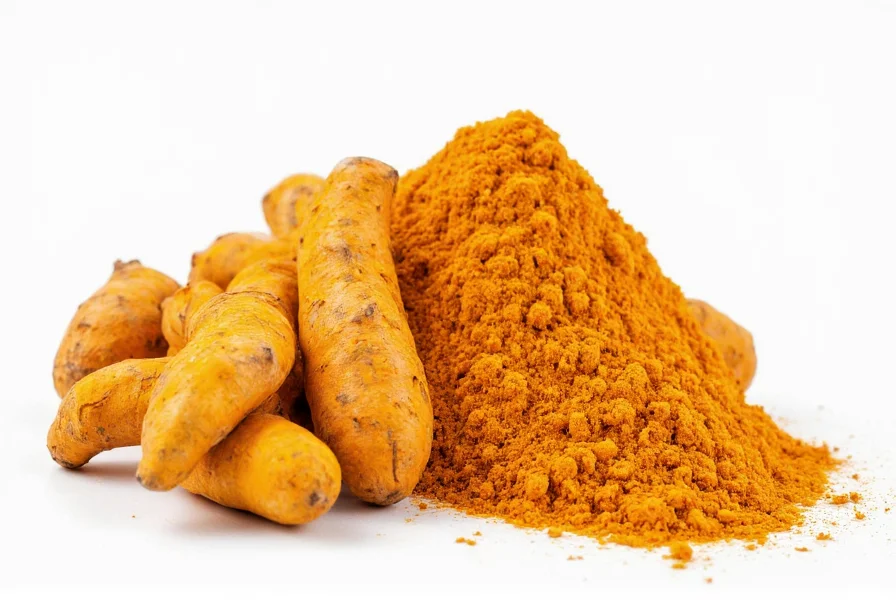
Turmeric dietary supplements primarily contain curcumin, the active compound responsible for turmeric's anti-inflammatory properties. Research shows moderate evidence supporting turmeric supplements for joint health and inflammation reduction, but effectiveness varies significantly based on formulation quality and bioavailability. Standardized extracts with 95% curcuminoids typically provide 500-1,500 mg daily, though individual needs may vary. Consult your healthcare provider before use, especially if taking blood thinners or managing gallbladder issues, as potential interactions and side effects exist.
Curcumin, the primary bioactive compound in turmeric dietary supplements, has captured significant scientific interest for its potential health benefits. Unlike culinary turmeric powder containing only 2-8% curcumin, quality supplements deliver concentrated doses of this potent polyphenol. However, curcumin's notoriously poor bioavailability presents a major challenge—without specialized formulations, most gets metabolized before providing benefits. Understanding these fundamental aspects separates evidence-based usage from marketing hype surrounding turmeric dietary supplements.
Understanding Turmeric and Its Active Components
Turmeric (Curcuma longa) is a rhizome in the ginger family, used for centuries in Ayurvedic medicine and culinary traditions. The vibrant yellow-orange color comes from curcuminoids, with curcumin being the most studied compound. While culinary turmeric contains approximately 3% curcumin by weight, quality turmeric dietary supplements standardize curcumin content to 95%, delivering significantly higher concentrations.
Curcumin works through multiple biological pathways, primarily by modulating inflammatory enzymes like COX-2 and LOX, and influencing transcription factors such as NF-kB. This multi-target action explains why researchers investigate turmeric supplements for various inflammatory conditions. However, curcumin's hydrophobic nature and rapid metabolism limit its effectiveness without enhanced delivery systems.
Scientific Evidence for Turmeric Supplement Benefits
Research on turmeric dietary supplements reveals promising but nuanced findings. A 2022 meta-analysis in Phytotherapy Research examined 18 clinical trials involving over 1,500 participants with osteoarthritis. The analysis found turmeric supplements reduced pain scores by 20-30% compared to placebo, with effects comparable to low-dose NSAIDs but without gastrointestinal side effects.
For inflammation reduction, studies show turmeric supplements can lower C-reactive protein (CRP) levels by 15-25% at doses of 1,000 mg daily of standardized extract. However, results vary considerably based on formulation. Research published in Nutrients demonstrated that curcumin with piperine (black pepper extract) increased bioavailability by 2,000% compared to standard curcumin alone.
Historical Evolution of Turmeric Research
Scientific understanding has evolved through distinct phases, reflecting advancements in formulation science and clinical validation:
- Pre-1990s: Traditional use documented in Ayurvedic texts; limited Western scientific interest
- 1995-2005: Key molecular mechanisms identified (NF-kB inhibition); bioavailability challenges recognized
- 2006-2015: Development of first-generation enhanced formulations (piperine complexes, phospholipid binding)
- 2016-Present: Rigorous clinical trials validating specific applications; FDA-registered medical foods emerging
Source: National Center for Biotechnology Information Review (2017)
Contextual Effectiveness Boundaries
Turmeric supplements demonstrate highly context-dependent efficacy. The following evidence-based boundaries clarify optimal use scenarios:
| Application Context | Recommended Use | Key Limitations | Verification Source |
|---|---|---|---|
| Chronic osteoarthritis management | Effective for moderate pain (500-1500mg/day enhanced formula) | Minimal impact on acute flare-ups; requires 8+ weeks for measurable improvement | NIH Clinical Trial Registry (NCT03955783) |
| Metabolic inflammation reduction | Beneficial with high-bioavailability formulations | Ineffective with standard curcumin; requires consistent dosing with fatty meals | NIH Office of Dietary Supplements |
| Gallbladder disorders | Contraindicated | Stimulates bile production; may exacerbate gallstones or obstruction | FDA Dietary Supplements Guidance |
| Health Claim | Scientific Support | Recommended Dosage | Evidence Quality |
|---|---|---|---|
| Joint pain relief | Moderate | 500-1,500 mg/day | ★★★☆☆ |
| Inflammation reduction | Moderate | 800-1,200 mg/day | ★★★☆☆ |
| Antioxidant effects | Preliminary | 500-1,000 mg/day | ★★☆☆☆ |
| Cognitive support | Limited | 800-1,000 mg/day | ★☆☆☆☆ |
Choosing Quality Turmeric Supplements
The effectiveness of turmeric dietary supplements depends heavily on formulation quality. Standard curcumin has only 1% bioavailability, meaning 99% passes through your system unused. Look for these evidence-based formulations that enhance absorption:
- Curcumin with piperine: Increases absorption by up to 2,000% (studies show 20 mg piperine per 500 mg curcumin)
- Liposomal curcumin: Encapsulates curcumin in fat molecules for better intestinal absorption
- Phospholipid complexes: Binds curcumin to phospholipids (like Meriva®) for 29x higher absorption
- Nanoparticle formulations: Reduces particle size for improved solubility
Third-party testing verification from organizations like USP, NSF, or ConsumerLab ensures product quality and accurate labeling. Avoid products making exaggerated claims like "miracle cure" or "scientifically proven to cure"—these violate FDA guidelines and indicate poor-quality supplements.
Dosage Guidelines and Timing
Research supports different dosage ranges depending on your health goals:
- General wellness: 500 mg daily of standardized curcumin extract
- Moderate inflammation: 750-1,000 mg daily, divided into two doses
- Joint health support: 1,000-1,500 mg daily of enhanced-absorption formula
Take turmeric supplements with food containing healthy fats (avocado, nuts, olive oil) to further enhance absorption. Dividing the dose (morning and evening) maintains more consistent blood levels. Most clinical trials show noticeable effects after 4-8 weeks of consistent use.
Safety Considerations and Potential Interactions
Turmeric dietary supplements are generally safe at recommended doses, but certain precautions apply:
- Blood thinners: Curcumin may enhance effects of warfarin and other anticoagulants
- Gallbladder issues: May stimulate bile production, problematic for those with gallstones
- Diabetes medications: May enhance blood sugar-lowering effects
- Surgery: Discontinue at least 2 weeks before surgical procedures
Common side effects at high doses (over 1,500 mg daily) include digestive upset, acid reflux, and headaches. Long-term safety beyond 8 months remains understudied, so periodic breaks may be prudent. Pregnant and breastfeeding women should consult healthcare providers before use.
Turmeric Supplements vs. Dietary Turmeric
While adding turmeric to food provides some benefits, supplements deliver significantly higher curcumin concentrations. One teaspoon of turmeric powder contains approximately 200 mg of curcumin, whereas quality supplements provide 500-1,000 mg per dose. However, dietary turmeric consumed with black pepper and healthy fats still offers valuable anti-inflammatory compounds.
For therapeutic purposes targeting specific health concerns like joint pain or chronic inflammation, supplements provide the necessary dosage that would be impractical to achieve through diet alone. Culinary use remains valuable for general wellness, while supplements serve specific therapeutic goals.
Making Informed Decisions About Turmeric Supplements
Before starting turmeric dietary supplements, consider these evidence-based recommendations:
- Consult your healthcare provider, especially if managing chronic conditions or taking medications
- Choose products with third-party verification for quality and purity
- Verify the formulation includes bioavailability enhancers
- Start with lower doses to assess tolerance
- Track symptoms for 6-8 weeks to evaluate effectiveness
- Combine with other anti-inflammatory lifestyle approaches
Remember that turmeric supplements work best as part of a comprehensive approach to health, not as standalone solutions. Manage expectations—while research supports certain benefits, results vary by individual, and supplements cannot replace medical treatment for serious conditions.




 浙公网安备
33010002000092号
浙公网安备
33010002000092号 浙B2-20120091-4